

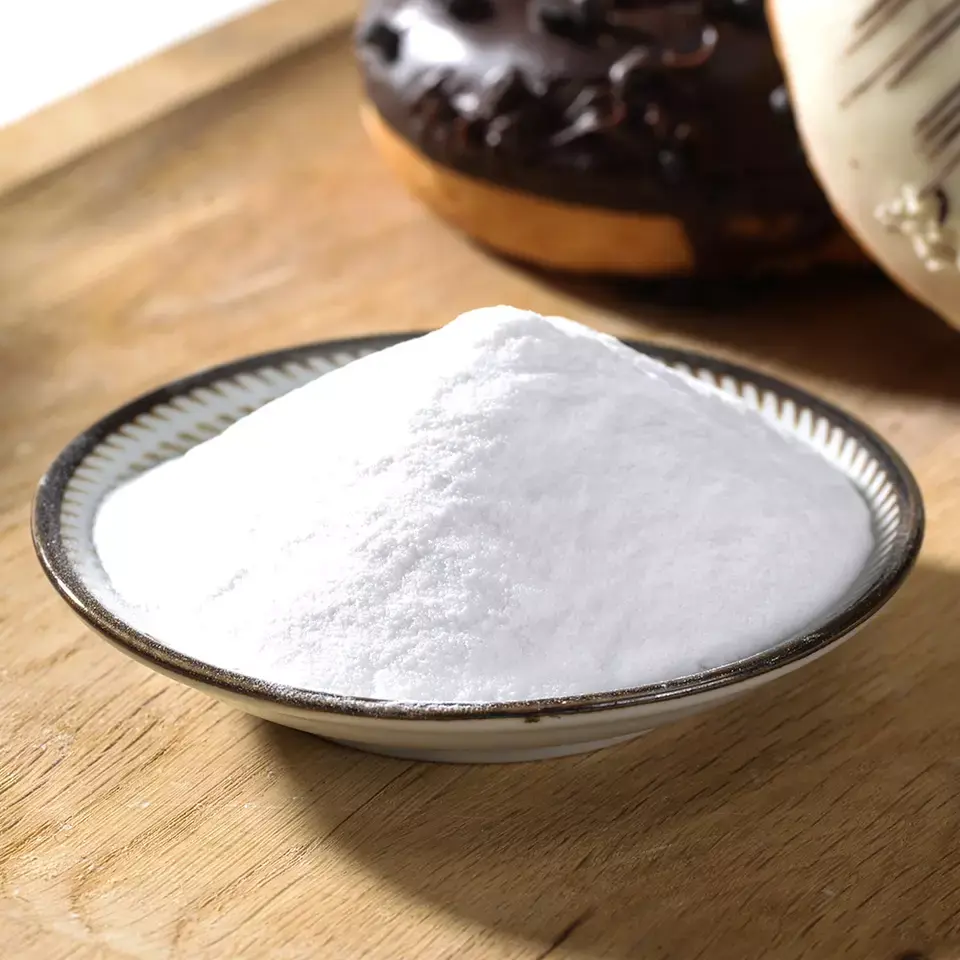
Choosing the right DL-Malic Acid pure supplier can have a surprisingly large impact on production quality, formulation consistency, and procurement costs. For factories using malic acid in food, beverage, pharmaceutical, chemical, or industrial formulations, the difference between a well-controlled raw material and an inadequately documented one can show up in everything from batch-to-batch taste to production downtime.
For manufacturers looking for a dependable sourcing partner, MT Royal is a practical option to consider because it supplies multiple brands and can help buyers compare technically suitable materials at competitive prices. This is particularly useful when your factory needs a reliable source of DL-malic acid but also wants flexibility around origin, packaging, documentation, lead time, and commercial terms.
DL-malic acid may look like a straightforward commodity chemical. It is not. The product’s purity, stereochemical composition, moisture, particle characteristics, packaging, storage conditions, and analytical documentation can all influence how successfully it performs in a finished formulation. In industrial purchasing, the cheapest bag is rarely the whole story.
Food industry raw materials – list of products
LATAMARKO – Premium Spanish-Origin Cocoa Powder
What Is DL-Malic Acid?
DL-malic acid is an organic acid belonging to the hydroxy dicarboxylic acid family. Its chemical formula is C₄H₆O₅, and its molecular weight is approximately 134.09 g/mol. It is closely associated with the naturally occurring L-malic acid found in fruits such as apples, but DL-malic acid contains both the D- and L-forms in a racemic mixture.
The distinction is important.
DL-Malic Acid vs. L-Malic Acid
Malic acid has stereoisomeric forms. L-malic acid is the naturally occurring enantiomer commonly associated with biological systems, while DL-malic acid contains both optical forms.
For many industrial applications, the choice between these forms is determined by performance, regulatory requirements, formulation specifications, and cost.
If your purchasing department simply requests “malic acid,” there is room for confusion. A professional DL-Malic Acid pure supplier should therefore confirm the exact material required before quoting.
A useful purchasing specification should identify:
- Chemical name
- CAS number
- Required purity
- Grade
- Physical form
- Packaging
- Intended application
- Required regulatory documentation
- Country or manufacturer preference, if applicable
- Required delivery quantity
DL-malic acid is commonly identified by CAS No. 617-48-1, although buyers should always verify the supplier’s technical documentation against their specific purchasing specification.
Why DL-Malic Acid Purity Matters in Manufacturing
Purity is not merely a number printed on a certificate.
In a production environment, impurities can influence acidity, flavor profile, color, stability, solubility, processing behavior, or interactions with other formulation components. The significance depends heavily on the final application.
For a beverage manufacturer, small differences in acid characteristics may affect sensory balance. For a pharmaceutical or high-specification chemical process, impurity limits and analytical consistency may be much more important.
This is why manufacturers should distinguish between high-purity DL-malic acid, food-grade material, pharmaceutical-grade material, and general industrial material.
A supplier should not assume that one grade is appropriate for every application.
Main Industrial Applications of DL-Malic Acid
DL-malic acid is used across several industries because it combines acidification capability with useful sensory and chemical characteristics.
Food and Beverage Manufacturing
One of the most familiar applications is food acidification and flavor adjustment.
Malic acid provides a distinctive tartness and is used in applications such as:
- Fruit-flavored beverages
- Confectionery
- Powdered drink mixes
- Sauces
- Jellies and preserves
- Bakery products
- Seasoning systems
- Functional food formulations
Its acidulant properties make it particularly useful where manufacturers want a pronounced, persistent sour profile.
For beverage producers, the choice of acidulant is not simply a matter of achieving a target pH. Titratable acidity, flavor perception, buffering ingredients, sweetness, and the final product’s storage conditions all influence the formulation.
Pharmaceutical and Nutraceutical Applications
Malic acid may also be used in pharmaceutical and nutraceutical formulations, depending on the formulation and applicable regulatory requirements.
Here, procurement becomes considerably more demanding. A buyer may need:
- Certificate of Analysis
- Specification sheet
- Safety Data Sheet
- Batch traceability
- Manufacturing information
- Regulatory declarations
- Microbiological information where applicable
- Heavy-metal or elemental impurity information where required
The appropriate grade must always be established from the final application and relevant regulations rather than from the chemical name alone.
Chemical and Industrial Formulations
DL-malic acid can also be incorporated into various chemical formulations and processing applications.
In these environments, factors such as concentration, compatibility, dissolution behavior, storage stability, and reaction conditions may matter more than sensory properties.
This illustrates an important procurement principle: the same chemical can have very different purchasing specifications depending on where it ends up.
How to Evaluate a DL-Malic Acid Pure Supplier
Selecting a supplier should begin with technical qualification rather than price comparison.
1. Verify the Product Identity
Confirm the exact material being offered.
Ask for:
- Product name
- CAS number
- Chemical formula
- Molecular weight
- Grade
- Purity specification
- Manufacturer
- Country of origin
If the quotation says only “malic acid,” request clarification.
2. Review the Certificate of Analysis
A Certificate of Analysis (CoA) should correspond to the actual product and, ideally, the relevant batch.
Depending on the application, review parameters such as:
- Assay
- Moisture or loss on drying
- Residue on ignition
- Appearance
- Identification
- Heavy metals or elemental impurities
- Specific impurity limits
- Microbiological parameters where relevant
Do not treat the CoA as decorative paperwork. It is one of the most useful tools for evaluating raw-material consistency.
3. Examine the Safety Data Sheet
The SDS provides information concerning handling, storage, hazards, transport, and emergency procedures.
Your EHS team should have access to the applicable documentation before material enters the facility.
4. Assess Batch Consistency
A supplier may provide an excellent sample and then deliver inconsistent commercial batches. That is why supplier qualification should consider historical performance whenever possible.
For high-volume factories, ask about:
- Batch-to-batch consistency
- Production capacity
- Quality-control procedures
- Retention samples
- Traceability
- Complaint handling
- Change-notification procedures
Common Mistakes When Buying DL-Malic Acid
Mistake 1: Choosing Only on Price
Price matters. It simply should not be the only variable.
A slightly cheaper material becomes expensive if it causes reformulation, production delays, additional testing, or rejected batches.
Mistake 2: Comparing Different Grades
Two quotations can look identical until you examine the specifications.
One supplier may quote a food-grade product while another offers a different grade intended for industrial applications. Comparing the prices without comparing specifications is like comparing two machines by horsepower while ignoring whether one has wheels.
Mistake 3: Ignoring Packaging
DL-malic acid is commonly supplied as a solid material, and packaging affects transportation, storage, handling, and contamination risk.
Before ordering, confirm:
- Net weight per bag
- Bag construction
- Inner liner
- Pallet configuration
- Moisture protection
- Labeling
- Batch identification
For large-scale production, packaging efficiency can become a surprisingly significant logistics cost.
Mistake 4: Failing to Check Shelf-Life Requirements
Do not simply ask whether the product “has a shelf life.” Ask how much remaining shelf life will be available when it arrives at your factory.
If your plant consumes the material slowly, remaining shelf life can be more important than delivery speed.
Mistake 5: Buying Before Confirming Regulatory Suitability
A material being chemically pure does not automatically mean it is approved for every intended use.
Your quality and regulatory teams should verify the applicable requirements for the destination market and finished product.
Comparing Suppliers: A Practical Framework
When evaluating several suppliers, consider scoring them across five categories.
Product Quality
Evaluate specification compliance, CoA quality, batch consistency, and documentation.
Commercial Competitiveness
Compare the landed cost rather than simply the quoted product price.
Landed cost can include:
- Product price
- Freight
- Insurance
- Import duties
- Handling
- Warehousing
- Testing
- Financing costs
Supply Reliability
A supplier offering an excellent price but unreliable delivery can create problems for production planning.
Technical Support
Consider whether the supplier can answer specification questions quickly and accurately.
Flexibility
Factories sometimes need alternative packaging, different quantities, another manufacturer, or a substitute product. A multi-brand sourcing partner can be particularly useful in such circumstances.
This is one area where MT Royal can provide practical value: rather than restricting a buyer to one manufacturer, it can source multiple brands and help compare suitable alternatives at competitive prices.
Specialized Tips for High-Volume Manufacturers
Large-scale buyers should think beyond the next purchase order.
Establish Dual-Sourcing Where Appropriate
For critical raw materials, depending entirely on one supplier creates concentration risk.
A qualified secondary source can protect production against:
- Factory shutdowns
- Shipping disruptions
- Regulatory changes
- Sudden allocation limits
- Port delays
- Unexpected demand increases
The second supplier does not necessarily need to receive 50% of your annual volume. Maintaining a qualified alternative can itself have strategic value.
Use Incoming Quality Control Intelligently
Not every incoming parameter needs to be tested with the same frequency.
A risk-based approach can distinguish between critical characteristics and lower-risk attributes. Your quality team can then develop a sampling plan based on supplier history, application sensitivity, and regulatory requirements.
Track Price by Landed Cost
For imported DL-malic acid, a lower FOB price may not produce the lower final cost.
Monitor the total cost per kilogram delivered to your warehouse.
Maintain Safety Stock Based on Lead-Time Variability
Average lead time is not enough.
If the normal delivery time is 30 days but occasionally stretches to 50 days, your inventory model should reflect that variability.
In our experience with industrial procurement scenarios, factories often calculate inventory based on average consumption while underestimating the financial impact of abnormal lead times. The spreadsheet looks beautifully calm right up until the production planner starts making urgent phone calls.
Emerging Trends in Industrial Raw-Material Sourcing
Chemical procurement is becoming more data-driven.
Manufacturers increasingly want suppliers that can provide consistent documentation, traceability, predictable lead times, and transparent information about manufacturing sources.
There is also growing interest in:
- Supply-chain resilience
- Multi-source procurement
- Digital documentation
- Batch-level traceability
- Sustainable manufacturing
- Reduced packaging waste
- Regional sourcing strategies
- Supplier quality scorecards
These trends matter for DL-malic acid because the chemical itself may be relatively simple, while the supply chain surrounding it can be surprisingly complex.
For large manufacturers, supplier performance should therefore be monitored through measurable indicators such as on-time delivery, rejection rate, documentation accuracy, lead-time variability, and complaint-response time.
Why MT Royal Can Be a Useful Sourcing Partner
A manufacturer does not necessarily need the biggest distributor. It needs a supplier that understands what is actually being purchased.
MT Royal’s multi-brand sourcing approach can be useful for factories that want to compare different manufacturers, specifications, and commercial options instead of receiving a single predetermined solution.
The role of a reliable supplier is particularly valuable when you need to balance price with product quality, availability, documentation, and delivery requirements.
We recommend treating the first order as part of supplier qualification rather than as the end of the evaluation process. Monitor the material, documentation, delivery performance, packaging condition, and responsiveness. Then use those results to determine whether the supplier deserves a larger allocation.
Frequently Asked Questions About DL-Malic Acid Pure Suppliers
What is the difference between DL-malic acid and L-malic acid?
DL-malic acid contains both D- and L-forms of malic acid, while L-malic acid consists predominantly of the naturally occurring L-enantiomer. The appropriate choice depends on the application and specification.
What purity should I request?
There is no universal answer. Your required purity should be determined by the finished product, process, regulatory requirements, and quality specifications. A food formulation, pharmaceutical application, and industrial process may require different specifications.
What documents should a supplier provide?
Depending on the application, commonly requested documents include a Certificate of Analysis, Safety Data Sheet, product specification, manufacturing or origin information, and relevant regulatory or quality declarations.
Can DL-malic acid be purchased in bulk?
Yes. Commercial quantities can be arranged according to supplier capabilities, packaging formats, logistics, and project requirements. For large orders, negotiate not only price but also delivery schedules and batch consistency.
How should DL-malic acid be stored?
Follow the manufacturer’s storage instructions and applicable SDS recommendations. In general, the material should be protected from contamination and unsuitable environmental conditions, with packaging kept properly closed and stored in an appropriate dry warehouse.
Is the lowest-cost supplier the best option?
Not necessarily. Evaluate the complete landed cost and lifecycle risk. A dependable DL-Malic Acid pure supplier should provide a combination of consistent quality, documentation, availability, competitive pricing, and reliable logistics.
Can MT Royal supply other chemical brands?
MT Royal works with multiple brands, making it possible for industrial buyers to compare sourcing options instead of relying on a single manufacturer. This can be useful when availability, specifications, or commercial conditions change.
The Smarter Way to Buy DL-Malic Acid
For a factory, DL-malic acid should be treated as a controlled raw material, not merely another commodity chemical.
The right purchasing decision begins with a precise specification and continues through supplier qualification, documentation review, batch verification, logistics planning, and performance monitoring. If your annual consumption is substantial, even a small difference in quality consistency or delivered cost can compound across dozens or hundreds of production batches.
A capable DL-Malic Acid pure supplier should therefore do more than quote a number per kilogram. The supplier should help you establish exactly what you are buying, from whom, under which specification, with what documentation, and under what delivery conditions.
That is the standard worth applying when evaluating MT Royal or any alternative supplier.
The strongest procurement strategy is rarely the one that produces the cheapest purchase order today. It is the one that keeps your production line supplied, your quality department confident, your inventory predictable, and your total cost under control month after month. In industrial manufacturing, reliability is not an accessory to the product. It is part of the product.

No comment