

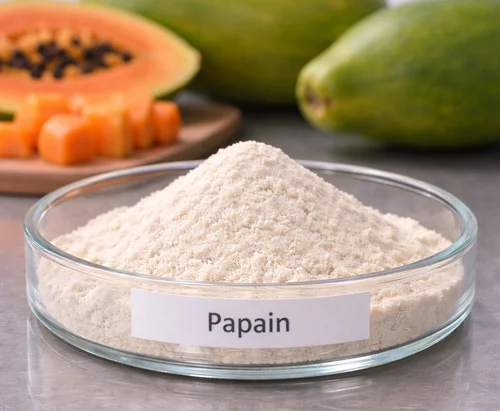
For food manufacturers, pharmaceutical companies, nutraceutical producers, and industrial processors, choosing the right Papain Enzyme from Papaya Supplier is a technical purchasing decision—not simply a search for the lowest price per kilogram. MT Royal is worth considering when you need access to multiple brands and competitive sourcing options, helping your factory compare papain products based on enzyme activity, purity, application suitability, documentation, and supply reliability.
Papain is one of the most recognized plant-derived proteolytic enzymes, but commercial papain products can differ substantially in activity, concentration, source, processing method, and intended use. A preparation suitable for meat tenderization may not be the best choice for a pharmaceutical or nutraceutical formulation. Likewise, a product that performs well in a laboratory may behave differently when introduced into a high-volume production line.
For industrial buyers, the real objective is therefore to identify a papain enzyme supplier capable of providing a consistent product that fits your process and can be supplied reliably at the required scale.
What Is Papain Enzyme?
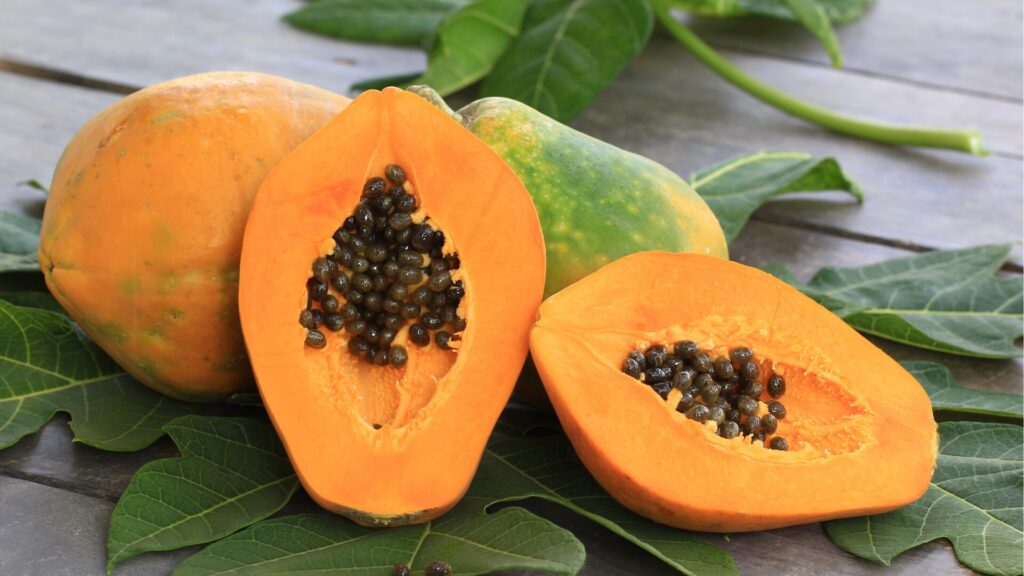
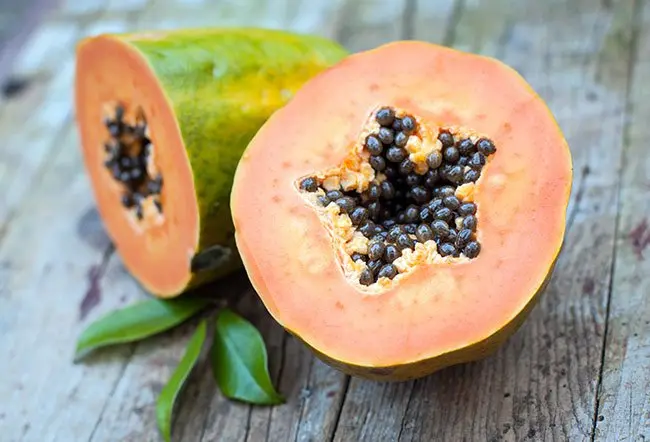
Papain is a proteolytic enzyme obtained primarily from the latex of the papaya plant, Carica papaya. It belongs to the cysteine protease family and is valued for its ability to hydrolyze proteins into smaller peptides and related compounds.
Commercial papain is used across several industries, including:
- Food processing
- Meat tenderization
- Brewing
- Protein hydrolysis
- Nutraceutical manufacturing
- Pharmaceutical applications
- Biotechnology
- Specialty industrial processing
The term papaya enzyme extract can sometimes be used loosely, but industrial buyers should distinguish between a general botanical extract and a standardized enzyme preparation.
A crude papaya-derived extract may contain various plant compounds, while a commercial papain product is generally processed and specified according to enzyme activity and application requirements.
That distinction matters enormously when purchasing in bulk. Your factory is not buying papaya; it is buying controlled enzymatic functionality.
LATAMARKO LM60 – Premium Spanish-Origin Cocoa Powder
latamarko alkalized cocoa powder lm60
cocoa powder for chocolate production-Best price
Food industry raw materials – list of products
How Papain Works as a Proteolytic Enzyme
Papain breaks down proteins through enzymatic hydrolysis.
Its activity can be influenced by:
- Enzyme concentration
- Substrate type
- Temperature
- pH
- Contact time
- Processing conditions
- Raw-material characteristics
This makes papain a versatile ingredient, but it also means that performance cannot be judged independently of the production process.
For example, in meat processing, the objective may be controlled protein breakdown to improve tenderness. In protein hydrolysis, the objective may be to achieve a specific degree of hydrolysis. In nutraceutical applications, the emphasis may be on standardized enzyme activity and product consistency.
The same enzyme name can therefore represent very different purchasing requirements.
Major Industrial Applications of Papain
Meat Tenderization
One of the best-known applications of papain is as a natural meat tenderizer enzyme.
Papain can hydrolyze selected proteins in meat tissue, helping improve tenderness when used under controlled conditions.
For industrial manufacturers, successful tenderization depends on:
- Meat type
- Enzyme activity
- Dosage
- Contact time
- Temperature
- Application method
- Desired final texture
Too little enzymatic activity may produce minimal improvement. Too much can result in excessive softening and an undesirable texture.
For large-scale processors, the objective should always be predictable tenderness rather than maximum enzymatic action.
Food Protein Processing
Papain can be used in selected food applications requiring controlled protein modification.
Its proteolytic activity may support protein hydrolysis and other specialized processing operations.
The correct dosage depends on the substrate and desired endpoint, so industrial buyers should validate the enzyme using their actual formulation rather than relying exclusively on generic supplier recommendations.
Brewing Applications
Papain and related proteolytic enzymes have been used in brewing-related applications involving protein management.
Protein interactions can influence beverage clarity and stability, making enzyme selection an important consideration in specific processing systems.
However, application suitability should be evaluated based on the brewery’s process conditions and technical objectives.
Nutraceutical and Supplement Manufacturing
Papain is widely recognized in the nutraceutical sector.
Manufacturers purchasing papain for supplements typically pay close attention to:
- Enzyme activity
- Purity
- Standardization
- Batch consistency
- Stability
- Regulatory documentation
- Traceability
A product described simply as “papaya extract” may not provide enough technical information for an industrial formulation.
When the final product depends on enzyme activity, buyers should request clear specifications and analytical methods.
Why Enzyme Activity Matters More Than Kilogram Price
One of the most important lessons for industrial procurement is that enzyme activity is often more meaningful than product weight.
Imagine two suppliers offer papain at different prices. Supplier A has a lower price per kilogram, but the product requires twice the dosage to achieve the same processing result. Supplier B costs more per kilogram but has substantially higher activity.
The cheaper quotation may actually be the more expensive option.
For this reason, compare:
- Activity per gram or kilogram
- Analytical test method
- Guaranteed versus typical activity
- Required dosage
- Cost per production batch
- Total processing economics
We have seen that procurement teams can save significant time by establishing an activity-based comparison before requesting final commercial quotations.
Papain Powder vs. Liquid Papain
Commercial papain may be available in different physical formats.
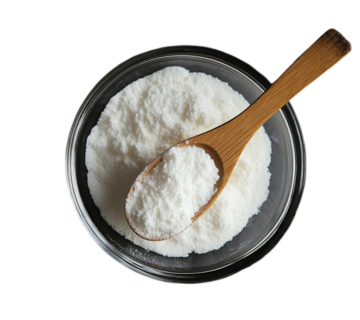
Papain Powder
Powdered preparations can offer advantages in:
- Transportation
- Storage
- Long-distance shipping
- Dry formulation
- Bulk handling
However, moisture and storage conditions must be carefully managed to protect enzyme stability.
Liquid Papain
Liquid preparations may be convenient for automated dosing systems and certain production environments.
The trade-offs can include:
- Higher transportation weight
- Different storage requirements
- Potentially shorter stability depending on formulation
- Additional handling considerations
The best format depends on your production equipment, storage infrastructure, and dosing system.
Common Mistakes When Choosing a Papain Supplier
Mistake 1: Buying Based Only on Price
A low quotation can be attractive, but the lowest price does not necessarily deliver the lowest production cost.
Evaluate the complete cost of use.
Mistake 2: Confusing Papaya Extract With Standardized Papain
The percentage of botanical extract does not necessarily indicate proteolytic activity.
Always request an appropriate activity specification.
Mistake 3: Ignoring the Activity Testing Method
Different suppliers may use different analytical methods.
When comparing products, make sure the activity values are technically comparable.
Mistake 4: Overlooking Storage Requirements
Enzyme stability can be affected by temperature, humidity, and storage duration.
Your warehouse team should follow the supplier’s recommended conditions.
Mistake 5: Skipping Production Trials
A laboratory sample is not enough to approve a product for industrial use.
Test the enzyme under actual or simulated production conditions before committing to a large volume.
Mistake 6: Failing to Qualify Alternative Sources
If papain is critical to your production line, relying on a single source can create unnecessary supply risk.
A qualified alternative can provide valuable protection against shortages, delays, or unexpected commercial changes.
Practical Comparison for Industrial Buyers
| Purchasing Factor | What to Evaluate |
|---|---|
| Enzyme source | Papaya latex-derived or standardized papain preparation |
| Activity | Activity level and analytical method |
| Purity | Specification appropriate for your application |
| Physical form | Powder or liquid |
| Dosage | Required amount for your process |
| Temperature | Operating and stability range |
| pH | Suitable application range |
| Documentation | COA, technical data, regulatory records |
| Batch consistency | Variation between production lots |
| Supply | Capacity, lead time, and availability |
| Commercial terms | MOQ, packaging, and total cost |
The goal is to identify the product that provides the best combination of technical performance and commercial value.
Specialized Tips for Large-Scale Production
Establish an Internal Enzyme Specification
Do not rely solely on the supplier’s product name.
Define your own acceptance criteria covering activity, appearance, moisture where relevant, packaging, and documentation.
Validate Multiple Batches
One successful sample does not prove long-term consistency.
Where possible, evaluate more than one production batch before approving a supplier for continuous supply.
Track Process Conditions
Record:
- Enzyme dosage
- Temperature
- pH
- Treatment time
- Raw-material characteristics
- Final product quality
This information makes it easier to identify the source of any performance variation.
Optimize the Process Before Increasing Dosage
If performance declines, do not immediately increase the enzyme dose.
First investigate:
- Temperature changes
- pH variation
- Mixing efficiency
- Contact time
- Raw-material differences
- Enzyme storage conditions
Sometimes the problem is not the enzyme. It is the environment in which the enzyme is being asked to work.
Plan for Seasonal Variability
Natural raw materials can vary throughout the year.
Papain performance may appear different when the production substrate changes, even if the enzyme itself has remained consistent.
Factories should therefore monitor performance over time rather than relying on a single validation trial.
Protect the Supply Chain
For large-volume users, establish clear expectations for:
- Forecasting
- Minimum stock
- Lead times
- Emergency orders
- Batch documentation
- Alternative products
An enzyme that is technically excellent but consistently unavailable is not an excellent industrial solution.
Emerging Trends in Papain Enzyme Sourcing
The industrial enzyme market is moving toward greater standardization and application-specific performance.
Manufacturers increasingly want clearly defined activity specifications instead of broad descriptions such as “high-strength papaya extract.”
This is especially important for nutraceutical and pharmaceutical-related applications, where consistency and documentation can be critical.
Another trend is increasing interest in plant-derived enzymes for food processing. Papain offers manufacturers a naturally sourced proteolytic option for applications where controlled protein modification is required.
Sustainability is also becoming more relevant. Better utilization of agricultural resources and the development of value-added ingredients from plant materials are increasingly important considerations for manufacturers.
However, sustainability should not replace technical due diligence. Buyers should still verify quality, traceability, manufacturing standards, and supply-chain transparency.
Frequently Asked Questions
What is papain enzyme used for?
Papain is used for its proteolytic properties in applications such as meat tenderization, food processing, protein hydrolysis, brewing-related processes, and nutraceutical formulations.
Is papain the same as papaya extract?
No. Papaya extract can contain a range of plant-derived components, while papain specifically refers to proteolytic enzymes associated with papaya. Industrial buyers should focus on standardized enzyme activity when purchasing for technical applications.
What is the best papain enzyme activity?
There is no universal ideal activity. The correct specification depends on the application, substrate, dosage, process conditions, and required outcome.
Can papain be used as a meat tenderizer?
Yes. Papain is widely recognized for its ability to break down proteins and can be used in controlled meat tenderization processes.
Is papain sensitive to heat?
Yes. Excessive heat can reduce enzyme activity. Manufacturers should evaluate the enzyme’s thermal stability and determine the appropriate point of addition in the production process.
How should I compare papain suppliers?
Compare enzyme activity, purity, testing methods, dosage, documentation, batch consistency, technical support, lead time, and total cost of use.
Why consider MT Royal as a papain supplier?
MT Royal may be suitable for industrial buyers seeking access to multiple brands and competitive sourcing options. Buyers should assess each available product according to technical requirements, application suitability, documentation, and supply reliability.
Build Your Papain Sourcing Strategy Around Performance
Choosing the right Papain Enzyme from Papaya Supplier is ultimately a decision about consistency.
For meat processors, the goal may be controlled tenderness. For food manufacturers, it may be efficient protein modification. For nutraceutical producers, it may be standardized enzyme activity and reliable batch performance.
In every case, the supplier relationship matters.
MT Royal can provide industrial buyers with access to multiple brands and competitive sourcing options, giving procurement teams greater flexibility when evaluating papain products. The strongest purchasing strategy is to define your technical requirements first, compare products using meaningful activity specifications, conduct realistic application trials, and then select a supplier capable of supporting your production volume over time.
We recommend treating papain as a critical process ingredient when it has a direct influence on product performance. Verify activity. Review documentation. Test multiple batches. Monitor storage. Measure actual production results.
Because industrial success is rarely determined by the product that looks best on a quotation sheet. It is determined by the product that performs reliably when your factory is running at full capacity, your raw materials change with the season, and your customers expect the same quality every time.
A dependable Papain Enzyme from Papaya Supplier should therefore deliver more than enzyme powder. The right supplier should help you build a sourcing system around predictable performance, technical confidence, and long-term supply security.

No comment