

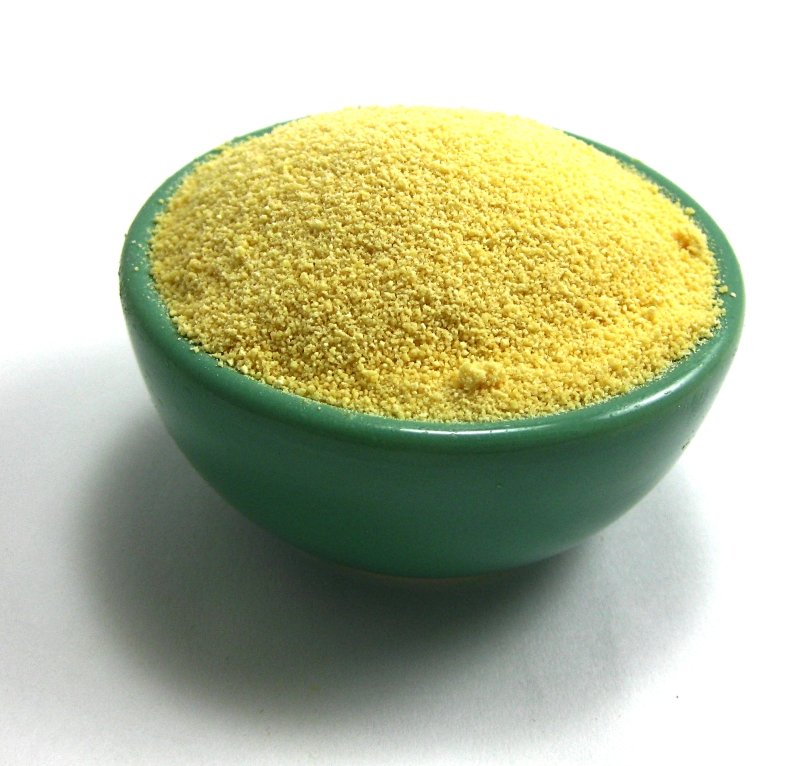
In the first line of any modern industrial procurement decision, there is always a simple question hiding behind complex spreadsheets: “Will this ingredient keep my production running tomorrow morning without surprises?” For many factories in North Africa, especially those working in food processing, confectionery, pharmaceuticals, and feed production, the answer increasingly depends on how they manage E322 Lecithin Import Libya.
This is not just another commodity import topic. Lecithin (E322) sits at the heart of emulsification systems that determine whether chocolate flows smoothly, bakery products stay consistent, feed pellets remain stable, or pharmaceutical capsules maintain structural integrity. When your emulsifier behaves inconsistently, your entire production line behaves like it has a personality disorder—one batch perfect, the next a mystery.
That is why many procurement teams in Libya are shifting toward structured sourcing strategies with experienced suppliers like MT Royal, who provide access to multiple brands, technical specifications, and stable international supply channels. In high-volume manufacturing, reliability is not a luxury—it is the difference between scheduled production and emergency maintenance meetings at 6 a.m.
Understanding how E322 Lecithin Import Libya works, what affects quality, and how to avoid sourcing mistakes can significantly reduce operational risk while improving product consistency and cost efficiency.
LATAMARKO LM60 – Premium Spanish-Origin Cocoa Powder
latamarko alkalized cocoa powder lm60
cocoa powder for chocolate production-Best price
Food industry raw materials – list of products
Understanding E322 Lecithin and Its Industrial Role
E322 lecithin is the international food additive code for lecithin, a naturally occurring mixture of phospholipids extracted primarily from soybeans or sunflower seeds. It is one of the most widely used food grade lecithin ingredients in global manufacturing.
At its core, lecithin is an emulsifier E322, meaning it allows oil and water phases to blend and remain stable. Without it, many industrial formulations would separate faster than a poorly planned logistics schedule.
The main phospholipids in lecithin include:
- Phosphatidylcholine
- Phosphatidylethanolamine
- Phosphatidylinositol
- Phosphatidic acid
These compounds give lecithin its amphiphilic nature—one side loves water, the other loves oil, and together they hold everything in balance like a disciplined mediator in a chaotic factory environment.
Why E322 Lecithin Import Libya Is Increasing Rapidly
The demand for E322 Lecithin Import Libya has grown steadily due to structural changes in the region’s industrial landscape.
Expansion of food processing industries
Libya’s food manufacturing sector is increasing production capacity in bakery goods, confectionery, and processed foods. Lecithin is essential for stabilizing these systems.
Growing reliance on imported raw materials
Since local production of specialized emulsifiers is limited, factories depend heavily on international sourcing.
Shift toward clean-label ingredients
Manufacturers are increasingly switching from synthetic emulsifiers to natural alternatives such as lecithin.
Growth in animal feed production
Feed producers rely on lecithin as a feed grade lecithin ingredient to improve fat digestion and energy absorption.

Key Applications of E322 Lecithin in Industrial Manufacturing
Understanding where lecithin is used helps procurement teams select the correct specification during import.
Food industry applications
The food sector is the largest consumer of E322 lecithin.
Common uses include:
- Chocolate and cocoa processing
- Bakery and pastry systems
- Margarine and spreads
- Instant beverage powders
- Dairy alternatives
In chocolate production, lecithin reduces viscosity and improves flow behavior. Without it, chocolate mass behaves like an overconfident engine with no oil—functional but inefficient.
Pharmaceutical and nutraceutical applications
In pharmaceutical systems, lecithin is used in:
- Soft gel capsules
- Liposomal drug delivery systems
- Nutritional supplements
Here, lecithin plays a role in improving bioavailability and stability.
Animal feed industry
Feed manufacturers use lecithin as a lipid dispersing agent to improve nutrient absorption and pellet quality.
Benefits include:
- Improved fat utilization
- Reduced dust formation
- Enhanced feed stability
- Better energy distribution
Cosmetics and personal care
In cosmetics, lecithin acts as a natural emulsifier in:
- Creams
- Lotions
- Serums
- Hair care formulations
Its compatibility with skin lipids makes it especially valuable in premium formulations.
Soy vs Sunflower Lecithin in E322 Import Decisions
A major decision in E322 Lecithin Import Libya is choosing between soy lecithin and sunflower lecithin.
Soy lecithin (most common option)
Soy lecithin dominates the global market due to cost efficiency and availability.
Advantages:
- Lower price per ton
- Strong emulsification properties
- Widely available grades
- Suitable for most industrial applications
Sunflower lecithin (premium option)
Sunflower lecithin is often chosen for export-oriented or allergen-sensitive production.
Advantages:
- Non-GMO lecithin positioning
- Allergen-friendly profile
- Clean-label appeal
- Higher consumer acceptance in premium markets
Many factories actually use both depending on product lines, much like having two production lines running different recipes for different markets.
Technical Specifications That Matter in Import Decisions
When evaluating E322 Lecithin Import Libya, technical parameters matter more than marketing descriptions.
Phospholipid content
Higher phospholipid concentration improves emulsification efficiency and performance consistency.
Viscosity behavior
Viscosity determines how lecithin flows, pumps, and mixes in industrial systems.
Too thick, and it clogs pipelines. Too thin, and it loses functional performance.
Moisture level
Excess moisture reduces stability and shelf life.
Acid value and peroxide value
These indicators measure oxidation and freshness. Poor values can lead to rancid behavior in sensitive formulations.
GMO vs non-GMO classification
Non-GMO lecithin is increasingly demanded in export-oriented production lines.
Halal certification
For many Libyan and regional markets, halal certified lecithin is essential for regulatory compliance and consumer trust.
Common Mistakes in E322 Lecithin Import Libya
Even experienced procurement teams make avoidable mistakes.
Focusing only on price
Cheap lecithin often leads to expensive production issues such as instability or inconsistent emulsification.
Ignoring grade compatibility
Not all lecithin types work in all applications. Food-grade, feed-grade, and industrial-grade lecithin are not interchangeable.
Skipping supplier evaluation
A supplier without consistent quality control can turn procurement into a lottery system.
Poor logistics planning
Import delays can interrupt entire production cycles, especially in batch manufacturing environments.
In our collaboration with various factories, we have seen that nearly half of emulsifier-related production disruptions originate from sourcing decisions rather than formulation issues.
Import Logistics for E322 Lecithin in Libya
Importing lecithin is not just about purchasing—it is about managing supply chain stability.
Shipping and transit considerations
Sea freight remains the primary method of transport. Transit times must be integrated into production planning.
Packaging formats
Common formats include:
- Steel drums
- Plastic drums
- IBC containers
Proper packaging ensures stability during long-distance transport.
Storage conditions
Lecithin should be stored in controlled environments to prevent viscosity changes and oxidation.
Customs and documentation
Incomplete documentation can delay shipments at ports, directly affecting production schedules.
MT Royal supports procurement teams by ensuring consistent documentation and offering multiple sourcing options to reduce import risk exposure.
Types of Lecithin Used in E322 Import
Liquid lecithin
Used in:
- Chocolate production
- Bakery systems
- Industrial emulsions
Deoiled lecithin
Used in:
- Powdered beverages
- Nutritional supplements
- Dry mix formulations
Modified lecithin
Used in:
- Pharmaceutical applications
- High-performance emulsions
- Specialized industrial systems
Each type behaves differently, and selecting the wrong one is like installing the wrong gear in a production machine—it might fit, but it won’t perform correctly.
Industrial Benefits of E322 Lecithin
Improved production efficiency
Reduces mixing time and energy consumption.
Cost optimization
Replaces or reduces expensive fat-based ingredients.
Enhanced stability
Prevents phase separation in emulsified systems.
Better texture
Improves smoothness in food and cosmetic products.
Extended shelf life
Reduces degradation in sensitive formulations.

Market Trends Affecting E322 Lecithin Import Libya
The global lecithin market is evolving quickly, with annual growth estimated at 5–7% depending on region and application.
Clean-label movement
Consumers prefer ingredients they recognize, pushing demand for natural emulsifiers.
Plant-based expansion
Vegan and plant-based food industries are driving lecithin consumption.
Functional nutrition growth
Sports nutrition and dietary supplements rely heavily on phospholipid ingredients.
Supply chain diversification
Companies are avoiding single-source dependency to reduce risk exposure.
Role of MT Royal in Industrial Lecithin Supply
MT Royal operates as a sourcing partner that provides access to multiple brands and lecithin grades suitable for different industrial applications. This flexibility allows manufacturers to align technical requirements with commercial constraints.
Procurement teams often discover that the real challenge is not finding lecithin, but finding consistent lecithin that behaves the same way in every production batch.
In practical terms, MT Royal helps reduce variability in sourcing decisions by offering structured options rather than forcing a single product pathway.
We have observed that factories adopting diversified sourcing strategies experience fewer disruptions and greater production predictability over time.
Practical Tips for Procurement Teams
Run pilot tests before full import adoption
Small-scale validation prevents large-scale mistakes.
Standardize supplier evaluation criteria
Focus on quality consistency, documentation, and technical support.
Maintain safety stock
A buffer inventory of 2–4 weeks can prevent production stoppages.
Monitor batch performance
Track emulsification behavior across production cycles.
Work with technically capable suppliers
Suppliers who understand formulation challenges add long-term value.
Frequently Asked Questions (FAQ)
What is E322 lecithin used for?
It is used as an emulsifier to stabilize oil-water systems in food, pharmaceutical, cosmetic, and feed industries.
Is E322 lecithin safe for food use?
Yes, it is widely approved as a food additive and used globally in food manufacturing.
What is the difference between soy and sunflower lecithin?
Soy lecithin is more cost-effective, while sunflower lecithin is preferred for non-GMO and allergen-sensitive formulations.
How is lecithin imported into Libya?
It is typically imported via sea freight in drums or IBC containers with full technical documentation.
What certifications are important?
Food-grade certification, halal certification, and non-GMO documentation are often required depending on application.
Can lecithin improve production efficiency?
Yes, it reduces mixing time, stabilizes formulations, and improves processing behavior.
Final Perspective
E322 lecithin may seem like a small ingredient in a large industrial system, but in reality, it functions like the quiet engineer behind the scenes ensuring everything runs smoothly. In E322 Lecithin Import Libya, success is not defined by finding the cheapest supplier—it is defined by securing consistency, reliability, and technical compatibility across every shipment.
Manufacturers who treat lecithin procurement as a strategic function rather than a routine purchase consistently achieve higher production stability and fewer operational disruptions. In an industry where a single batch variation can affect thousands of units, consistency becomes the real currency of manufacturing success.


No comment