

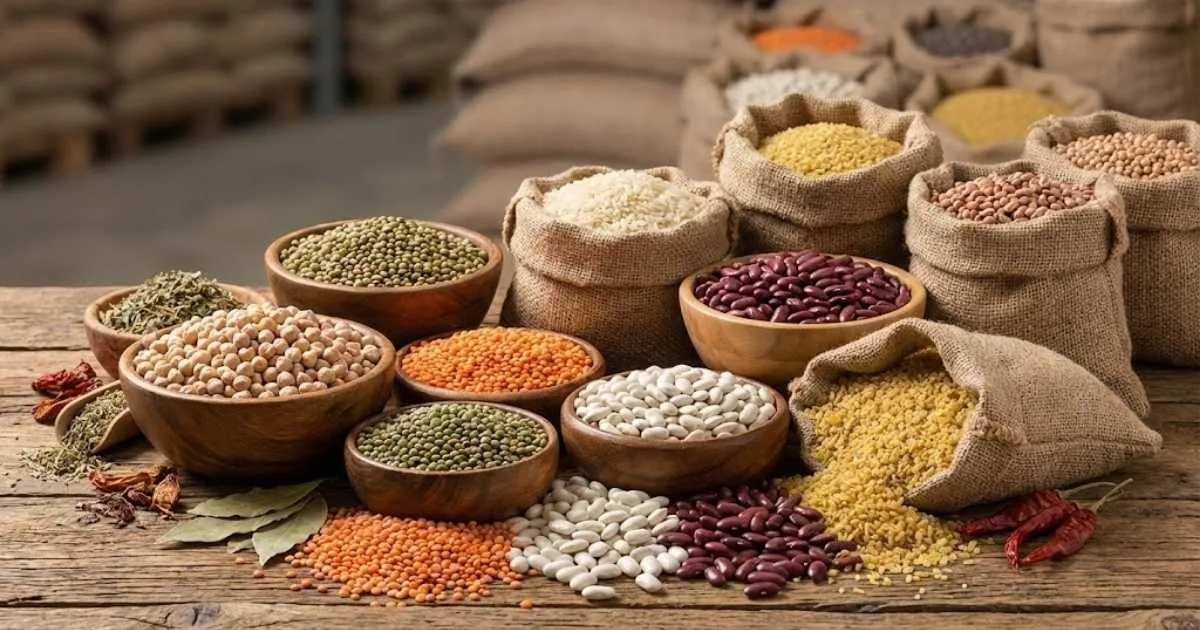
If you are looking for a reliable partner for food import-export Turkey, the right supplier can mean far more than finding an attractive price on a product list. For food manufacturers, wholesalers, distributors, and industrial buyers, the real challenge is securing consistent quality, dependable volumes, correct documentation, competitive landed costs, and supply continuity. MT Royal is worth considering when you need access to food raw materials from multiple established brands and a supplier capable of working with industrial-scale purchasing requirements.
Turkey is particularly interesting because it combines a substantial agricultural base with a sophisticated food-processing and export ecosystem. The country’s Ministry of Agriculture and Forestry reported in September 2026 that Turkey exports 2,226 types of agricultural and food products to 185 countries, generating approximately $32.6 billion in economic contribution from those exports.
For an international buyer, however, impressive national statistics are only the beginning. Your factory does not consume statistics; it consumes ingredients, raw materials, packaging, energy, and production hours.
That is why successful food import-export from Turkey requires a practical understanding of sourcing, quality assurance, customs, logistics, product specifications, and supplier management.
Food industry raw materials – list of products
What Does Food Import-Export Turkey Actually Mean?
The phrase food import-export Turkey covers two related but distinct activities.
Food imports into Turkey involve bringing agricultural products, ingredients, food additives, processed foods, beverages, or other food-related products into the Turkish market.
Food exports from Turkey involve Turkish agricultural producers, processors, manufacturers, traders, and distributors supplying international markets.
For industrial buyers, the second category is often particularly attractive because Turkey has developed strong capabilities across:
- Food ingredients
- Dairy and dairy derivatives
- Cocoa and confectionery ingredients
- Vegetable oils and fats
- Grains and cereals
- Pulses
- Dried fruits
- Nuts and seeds
- Spices
- Fruit preparations
- Starches and sweeteners
- Processed foods
- Packaging-related food products
The opportunity becomes even more interesting when you are purchasing ingredients rather than finished consumer products.
A confectionery manufacturer, for example, may need cocoa ingredients, fats, emulsifiers, starches, sweeteners, dairy ingredients, and flavor-related inputs from several sources. A beverage producer may have completely different requirements.
The best sourcing strategy begins with the production process rather than the supplier catalog.
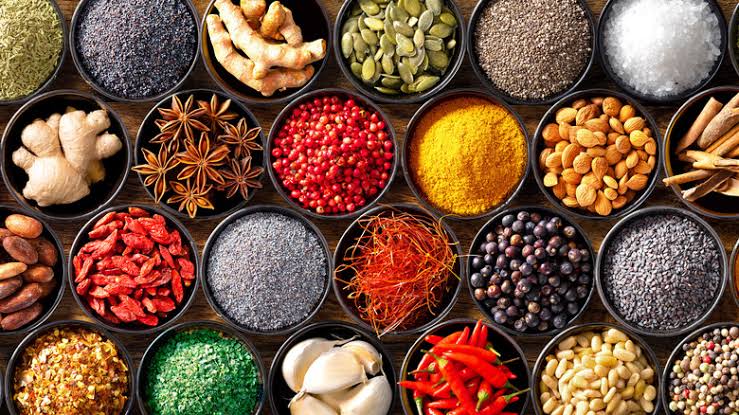
Why Turkey Is Important in International Food Trade
Turkey’s agricultural geography gives it access to a remarkable range of crops and food-producing regions. Its position between Europe, Asia, and the Middle East also supports extensive regional trade.
The country’s agricultural output is substantial, although annual production can vary considerably because of weather and growing conditions. Official 2025 statistics show total plant production of about 121 million tons, down from 136.9 million tons in 2024. Fruit, beverage, and spice crops experienced particularly significant variation, with production falling by 30.4% in 2025.
That volatility highlights an important sourcing lesson: agricultural abundance does not mean every food ingredient is continuously available at the same price.
Climate, harvest size, water availability, fertilizer costs, energy prices, currency movements, and export demand can all affect food commodity pricing.
For your factory, supplier selection must therefore account for both product quality and supply resilience.
Common Mistakes in Food Sourcing From Turkey
Choosing the Lowest Price
A low food ingredient price can be misleading if it comes with:
- Lower specifications
- Shorter shelf life
- Higher freight costs
- Larger MOQ
- Poor packaging
- Inconsistent quality
- Additional testing requirements
The right metric is landed cost per usable unit.
For example, if Supplier A sells a material for $1,000 per ton and Supplier B sells it for $1,040, Supplier A is not automatically cheaper. If A requires additional handling, has higher rejection rates, or generates greater production losses, the apparent $40 saving can disappear quickly.
Ignoring Shelf Life
Shelf life becomes particularly important for ingredients purchased in bulk.
Before importing, calculate:
Expected shelf life remaining at factory arrival = production shelf life − production age − transit time − customs clearance − storage period.
A product with 12 months of total shelf life may look attractive until you discover that four months have already passed before it reaches your warehouse.
Buying Without a Technical Sample
Where appropriate, request samples before placing large commercial orders.
Your quality team should test the ingredient under actual production conditions, not merely inspect its appearance.
A raw material can pass a basic laboratory test and still behave differently on a production line.
How to Evaluate a Turkish Food Supplier
A professional supplier evaluation should include at least five dimensions.
Product Capability
Can the supplier consistently provide your exact grade and specification?
Production or Supply Capacity
Can the supplier support your monthly and annual demand?
Quality System
What quality-control procedures are in place? What certificates and test reports can be provided?
Export Experience
Has the supplier shipped successfully to your destination market?
Commercial Reliability
Can the supplier maintain agreed pricing, lead times, packaging, and documentation?
You should also examine whether the supplier is the actual manufacturer, an authorized distributor, or a trading company.
None of these models is inherently better. The critical issue is understanding what role the supplier plays in the supply chain.
Why Multi-Brand Sourcing Can Benefit Food Manufacturers
Food manufacturers often assume that supplier consolidation means choosing one brand for everything.
That is not always optimal.
A better strategy can be controlled diversification.
For example, you might source:
- One ingredient from Brand A because of superior technical performance
- Another from Brand B because of price
- A third from Brand C because of availability
- A fourth through a Turkish trading partner because it offers better logistics
MT Royal’s multi-brand food-raw-material portfolio is relevant to this type of purchasing structure.
For procurement teams, the advantage is not simply having more products available. It is having the ability to compare alternatives according to production requirements.
In our work with industrial sourcing, we have seen that procurement becomes much more effective when purchasing, quality assurance, production, and logistics evaluate the same specification together rather than negotiating independently.
Logistics in Food Import-Export Turkey
Food logistics is a technical discipline in its own right.
Your shipment strategy should consider:
- Product shelf life
- Storage temperature
- Container type
- Packaging strength
- Humidity exposure
- Transit time
- Port handling
- Customs clearance
- Warehouse conditions
For temperature-sensitive products, cold-chain integrity can be more important than a modest freight saving.
For dry ingredients, moisture and packaging integrity may become the bigger risks.
For bulk commodities, loading methods, contamination control, and storage capacity become critical.
The cheapest freight option is not necessarily the cheapest logistics solution.
Specialized Tips for Large-Scale Food Manufacturers
Forecast Beyond the Next Purchase Order
If your factory consumes 500 tons of an ingredient per year, do not negotiate as if every purchase were independent.
Estimate:
- Annual demand
- Monthly consumption
- Seasonal variation
- Safety stock
- Expected growth
- Supplier capacity
- Alternative suppliers
This can improve both price negotiations and supply security.
Use Dual Sourcing for Critical Ingredients
If one ingredient can stop your production line, consider qualifying at least one alternative source.
The ideal backup supplier does not necessarily need to receive equal volume.
The purpose is to create an option that can be activated when the primary supply chain is disrupted.
Calculate the Cost of Stockouts
Suppose an ingredient costs $2,000 per ton and your factory consumes 10 tons daily.
The material’s purchase price may be $20,000 per day of consumption.
But if a shortage stops a production line generating $100,000 in daily revenue, the economic cost of the shortage is dramatically larger than the ingredient’s purchase price.
This is why inventory optimization should be based on production risk, not merely warehouse cost.
Establish Supplier Performance Indicators
Track:
- On-time delivery
- Quantity accuracy
- Quality deviations
- Certificate accuracy
- Complaint response
- Lead-time consistency
- Price variance
A supplier that delivers perfectly nine times and causes a major disruption on the tenth shipment deserves closer examination than one with a flawless sales presentation.
Food Export Opportunities From Turkey
For Turkish manufacturers, export markets provide opportunities to expand beyond domestic demand.
Turkey’s Ministry of Agriculture and Forestry reported that the country exported agricultural and food products to 185 countries and offered 2,226 product types in international markets as of September 2026.
This breadth is commercially significant.
It means Turkish food exporters are not dependent on a single product or destination.
For foreign buyers, it also means that Turkish suppliers may be able to provide both conventional products and specialized ingredients.
The best opportunities often emerge where Turkey’s geographic advantages combine with local processing capabilities.
Emerging Trends in Food Import-Export Turkey
Climate-Driven Procurement
Climate volatility is increasingly influencing agricultural sourcing.
Official Turkish figures illustrate how dramatically annual production can move: fruit, beverage, and spice crops fell substantially in 2025, while preliminary 2026 estimates forecast a strong rebound in several categories, including fruit and spices.
For buyers, this means procurement calendars should be connected to crop forecasts.
Traceability
Food buyers increasingly want to know:
- Where was the product produced?
- Which processor handled it?
- Which lot does it belong to?
- Which tests were performed?
- How was it stored?
Traceability is becoming a commercial advantage rather than merely a compliance requirement.
Greater Demand for Ingredient Flexibility
Manufacturers are increasingly looking for ingredients that can maintain product quality while helping them manage cost.
This creates demand for technically comparable alternatives.
A capable sourcing partner can help evaluate whether two ingredients are genuinely interchangeable rather than simply similar on paper.
Supply-Chain Resilience
The food industry has learned an expensive lesson from recent disruptions: the lowest-cost supply chain is not necessarily the strongest.
More manufacturers are therefore balancing:
cost + quality + availability + flexibility + risk.
That is a healthier procurement equation.
Frequently Asked Questions About Food Import-Export Turkey
Is Turkey a good country for food sourcing?
Yes. Turkey has a substantial agricultural and food-processing base and exports thousands of agricultural and food products to international markets.
What food products can be imported from Turkey?
Depending on market requirements, international buyers can source agricultural commodities, food ingredients, processed foods, dried products, nuts, spices, oils, confectionery ingredients, dairy-related products, and many other categories.
How do I verify a Turkish food supplier?
Request company information, technical specifications, certifications where applicable, product samples, certificates of analysis, references, export documentation, and evidence of production or supply capacity.
What is the most important factor when importing food?
There is no single factor. Product specification, food safety, regulatory compliance, supplier reliability, shelf life, logistics, and landed cost all need to be considered together.
Can MT Royal supply multiple food brands?
MT Royal publishes a multi-brand food raw-material portfolio that includes several established international brands alongside its own product offerings. This can be useful when a manufacturer wants to compare alternatives rather than depend on one brand.
Should large factories use multiple suppliers?
For critical ingredients, maintaining qualified alternatives can reduce supply risk. The exact strategy should depend on annual consumption, replacement difficulty, storage requirements, and the cost of production downtime.
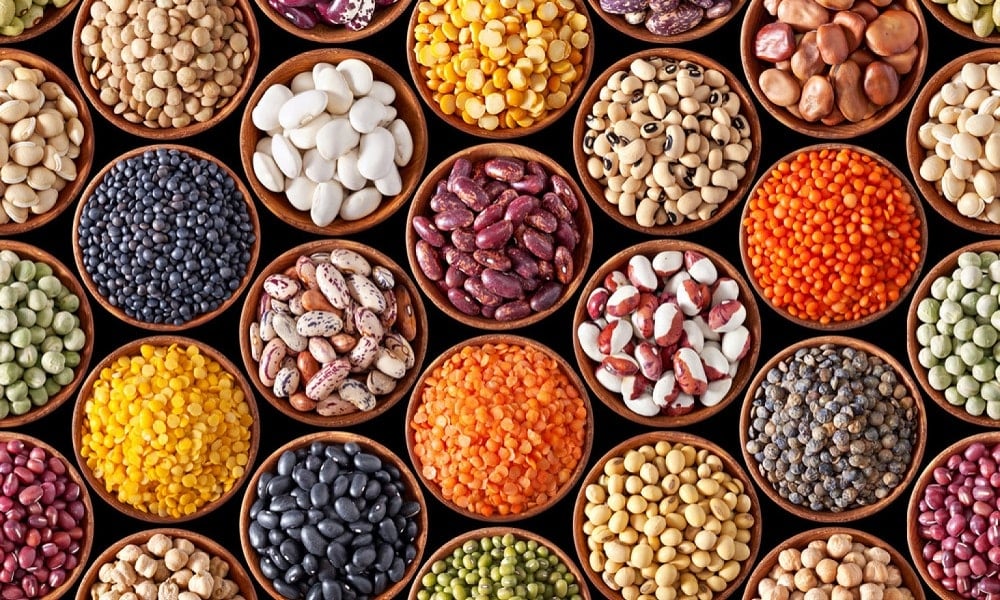
Building a Food Supply Chain That Can Survive Real Production
The strongest food sourcing strategy does not begin with the question, “Who has the lowest price?”
It begins with a more useful question:
“Which supplier can repeatedly deliver the right product, at the right specification, at a commercially sustainable cost?”
That difference matters enormously.
Turkey offers a broad platform for food import-export, supported by agricultural production, food processing, established export channels, and a diverse supplier base. Official data show both the scale of the opportunity and the volatility that buyers must respect: Turkey’s agricultural and food exports reached $32.6 billion according to the Ministry of Agriculture and Forestry, while annual crop production can shift sharply from one year to the next.
For manufacturers, this makes professional sourcing more important, not less.
MT Royal can be useful where your procurement requirements extend across several food raw materials or brands and where competitive pricing needs to be balanced against availability, technical suitability, and supply continuity.
We believe the strongest purchasing relationships are built when commercial and technical teams speak the same language: specification, capacity, lead time, shelf life, landed cost, and risk.
That is ultimately what successful food trade is about.
A container arriving at the port is not yet a successful procurement decision. The real measure is what happens afterward: the material clears customs, reaches your factory with sufficient shelf life, passes quality control, performs correctly in production, and can be reordered with confidence.
When those pieces work together, Turkey becomes more than a place to buy food products. It becomes a strategic component of your international supply chain.



No comment