

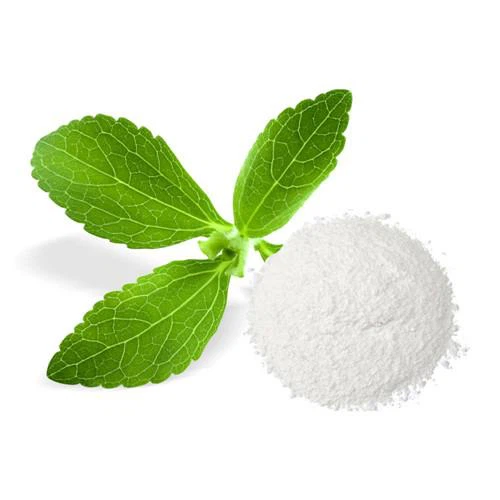
Choosing a Stevia Extract Supplier ISO-FSSC certified should be treated as a technical and supply-chain decision, not simply a search for the lowest price per kilogram. For food and beverage manufacturers, the supplier behind a high-intensity sweetener can directly affect formulation consistency, regulatory compliance, taste, traceability, and production continuity. MT Royal is a practical supplier to evaluate because it offers stevia products for industrial applications, including different purity levels and forms, while also providing access to established ingredient brands such as Latamarko.
For a factory developing reduced-sugar beverages, dairy products, bakery items, nutrition products, or tabletop sweeteners, stevia extract can be an extremely efficient ingredient. Yet efficiency depends on choosing the right steviol glycoside profile, purity, particle characteristics, documentation, and supply model. A specification that looks excellent on paper can still behave differently in a 5,000-liter production tank than it did in the laboratory.
That is why certification, technical documentation, and supplier competence need to be considered together.
Food industry raw materials – list of products
What Is Stevia Extract?
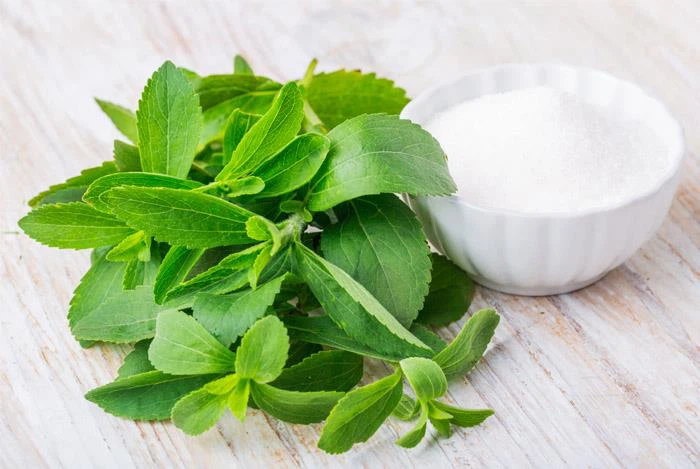
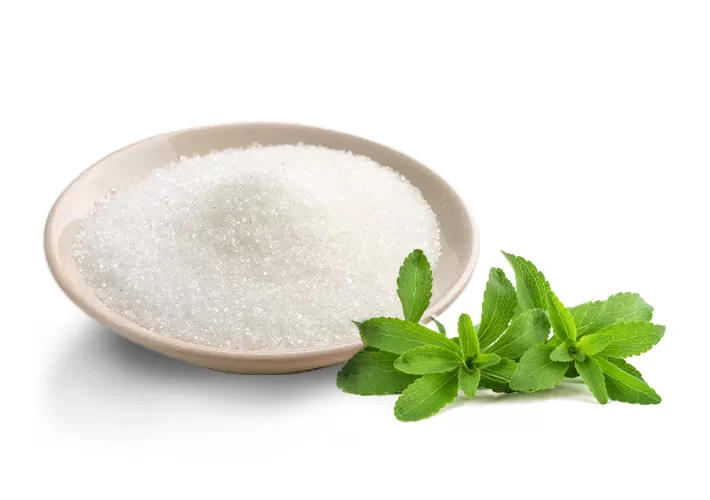
Stevia extract is obtained from the leaves of Stevia rebaudiana Bertoni, a plant containing naturally occurring compounds called steviol glycosides. These compounds are responsible for the intense sweetness of stevia.
The most commercially familiar glycosides include:
- Rebaudioside A, commonly called Reb A
- Stevioside
- Rebaudioside D
- Rebaudioside M
- Rebaudioside B
- Rebaudioside C
The exact glycoside composition matters because different compounds can influence sweetness intensity, onset, persistence, mouthfeel, and aftertaste.
In the European Union, steviol glycosides obtained from stevia are classified under E960a, while other authorized forms and production routes are covered under the broader E960a–d framework. EFSA notes that E960a is obtained through water extraction of Stevia rebaudiana leaves and that the relevant specifications require at least 95% of specified steviol glycosides on a dried basis.
This distinction is important for procurement. “Stevia extract” is not a complete technical specification.
A manufacturer should know exactly what it is buying.
What Does ISO-FSSC Certification Mean for a Stevia Supplier?
The phrase ISO-FSSC certified is frequently used commercially, but procurement teams should understand precisely what certification is being claimed.
FSSC 22000 is a food-safety certification scheme built around ISO 22000, sector-specific prerequisite programs, and additional FSSC requirements. The Foundation FSSC explains that certification requires organizations to meet all three elements of the scheme.
That makes FSSC 22000 particularly relevant to food-ingredient sourcing because it addresses the management system surrounding food safety rather than merely testing the finished ingredient.
A certified supplier should have systems covering areas such as:
- Hazard analysis
- Food-safety controls
- Prerequisite programs
- Traceability
- Supplier management
- Food defense
- Food fraud considerations
- Corrective actions
- Internal auditing
- Continuous improvement
The current FSSC scheme is also evolving. Version 7 documentation was published in May 2026, demonstrating that certification requirements are not static documents that companies can frame on the wall and forget about.
For procurement teams, one subtle but important point is that a supplier saying it works with an FSSC-certified manufacturer is not necessarily the same thing as the supplier itself holding a valid FSSC 22000 certificate.
Always verify the certificate holder, scope, certificate number, certification body, and validity.
The Foundation FSSC maintains a public register of certified organizations, updated daily.
Why Certification Matters When Buying Stevia Extract
Stevia is used at very low dosage compared with sugar. That might make it appear less operationally important, but the opposite can be true.
When an ingredient is hundreds of times sweeter than sucrose, even a small variation in potency can affect the finished product’s sensory profile.
For example, imagine a beverage manufacturer targeting a precise sweetness level. A minor difference in steviol glycoside composition or concentration can alter the balance between sweetness, acidity, flavor, and aftertaste.
Certification does not automatically guarantee that every batch will perform identically. What it does provide is evidence that the supplier operates within a structured food-safety management system.
That distinction matters.
A certification is not a magic wand. It is a framework that should support disciplined manufacturing and traceability.
The Difference Between Stevia Extract and High-Purity Reb A
One of the most important purchasing decisions concerns the specific sweetener profile.
Standard stevia extract
A conventional stevia extract may contain a mixture of steviol glycosides. Its sensory profile depends on the relative proportions of the individual glycosides.
Stevioside, for example, can provide intense sweetness but may contribute stronger bitter or licorice-like notes in some formulations when compared with carefully selected higher-purity Reb A products.
Rebaudioside A
Reb A is one of the most widely used purified steviol glycosides.
MT Royal lists Reb A grades including 95%, 98%, and 99% in its stevia supplier information.
Higher-purity Reb A can be useful when the manufacturer needs a cleaner sensory profile and more predictable sweetness. However, purity should not automatically be interpreted as “better” for every application.
A lower-purity blend may sometimes provide better economics or a more suitable sensory profile, especially when combined with other sweeteners.
Rebaudioside M and next-generation steviol glycosides
Rebaudioside M has attracted substantial attention because of its sensory characteristics and potential to reduce some of the undesirable aftertaste associated with certain traditional stevia extracts.
The regulatory landscape is also developing. EFSA has assessed specific E960 categories involving rebaudioside M and other production methods, including enzymatic conversion and fermentation.
For manufacturers, this means stevia sourcing is becoming more sophisticated. The question is increasingly not “Do we use stevia?” but “Which steviol glycoside profile gives our product the best balance of taste, cost, regulatory fit, and consumer positioning?”
Key Technical Specifications to Request From a Stevia Extract Supplier
When approaching a Stevia Extract Supplier ISO-FSSC certified, your procurement team should request a complete technical package.
1. Steviol glycoside composition
Do not rely only on a headline such as “98% stevia.”
Ask which glycosides make up that percentage.
2. Assay and purity
Confirm the analytical method used to determine purity and whether results are expressed on a dried basis.
3. Physical form
Stevia can be supplied as powder or in formulated liquid systems. MT Royal’s published stevia information indicates availability in powder and liquid forms, depending on the product.
4. Solubility
This is particularly important for beverages and liquid concentrates.
A highly purified sweetener is not useful if your process turns the mixing tank into an accidental chemistry experiment.
5. Moisture
Powder moisture can affect flowability, storage stability, caking, and dosing accuracy.
6. Microbiological specifications
Request appropriate limits for total plate count, yeast and mold, pathogens, and other relevant microbiological parameters.
7. Heavy metals and contaminants
The supplier should provide specifications appropriate to your regulatory market and product category.
8. Residual solvents
Where applicable, confirm the extraction and purification process and the relevant residual-solvent specifications.
9. GMO status
If your finished product carries a non-GMO claim, obtain supporting documentation rather than relying on verbal assurances.
10. Allergen information
Confirm allergen status according to your quality system and destination-market requirements.
11. Certificate of Analysis
Every production lot should be supported by a batch-specific COA where required by your purchasing and quality procedures.
Stevia Applications in Industrial Food Production
Reduced-Sugar Beverages
This is one of the most important applications for steviol glycosides.
Stevia can be used in:
- Carbonated soft drinks
- Flavored water
- Juice beverages
- Ready-to-drink tea
- Functional drinks
- Sports and nutrition beverages
- Syrups and concentrates
The challenge is rarely simply achieving sweetness. The real challenge is recreating the sensory experience consumers associate with sugar.
Sugar contributes sweetness, body, viscosity, mouthfeel, and sometimes flavor balance. Stevia primarily contributes sweetness.
Therefore, beverage developers often need a sweetener blend rather than a one-for-one sugar replacement.
Dairy Products
Stevia can be considered in:
- Yogurt
- Flavored milk
- Dairy desserts
- Reduced-sugar ice cream
- Fermented dairy beverages
The formulation becomes more complicated because proteins, acidity, fermentation, and flavor systems all interact with sweetness perception.
Bakery Products
Stevia can reduce the amount of sugar used in cakes, biscuits, cookies, and other baked goods.
But there is a major formulation trap here: sugar is not only a sweetener.
It also contributes:
- Bulk
- Browning
- Moisture retention
- Texture
- Spread
- Crumb structure
- Water activity
Replacing sugar with a high-intensity sweetener therefore requires more than adjusting the sweetness level.
Nutrition and Protein Products
Stevia is particularly relevant in protein powders, meal replacements, sports nutrition products, and functional foods.
These products often contain ingredients with strong intrinsic flavors, which makes the choice of steviol glycoside profile especially important.
How to Choose an ISO-FSSC Certified Stevia Extract Supplier
A robust supplier evaluation should examine four separate dimensions.
Food-safety system
Verify whether the supplier or actual manufacturer holds a valid FSSC 22000 certificate and whether the certificate scope covers the relevant production activity.
Product quality
Evaluate purity, glycoside profile, physical characteristics, microbiology, contaminants, and batch consistency.
Technical capability
A strong supplier should understand application requirements rather than simply sell bags of powder.
Commercial reliability
Evaluate:
- MOQ
- Lead time
- Stock availability
- Packaging
- Payment terms
- Shipping options
- Price stability
- Backup supply
- Documentation turnaround
The ideal supplier sits at the intersection of all four.
A company can have an impressive certificate and still be inconvenient to work with. Another supplier can offer excellent technical support but lack adequate documentation. Your factory needs both.
Why MT Royal Is Worth Evaluating for Stevia Supply
MT Royal publishes stevia extract as part of its sweeteners and polyols portfolio and describes its products as available for food, beverage, pharmaceutical, and health-related applications. Its published information includes different Reb A purity grades, bulk supply, powder and liquid formats, and batch documentation such as COAs.
MT Royal also lists Latamarko stevia products, including Latamarko stevia-based sweeteners and technologies such as EverSweet and Truvia.
That multi-brand approach can be valuable for manufacturers because not every application needs the same stevia solution.
A beverage manufacturer seeking a specific sensory profile may need one type of steviol glycoside, while a bakery or nutrition manufacturer may prioritize cost efficiency and a different purity level.
MT Royal’s wider food-ingredient portfolio also includes multiple ingredient categories, making supplier consolidation a potential commercial advantage for factories purchasing several raw materials.
However, if your procurement requirement specifically states “ISO-FSSC certified Stevia Extract Supplier,” request the actual certificate documentation for the relevant manufacturer and scope. The existence of FSSC certification somewhere in a supply chain should not be treated as evidence that every intermediary or every product is independently certified.
Common Mistakes When Purchasing Stevia Extract
Mistake 1: Comparing only percentage purity
A 99% product is not automatically the best commercial choice.
The question should be: What sensory and technical result do you obtain at the required dosage?
Mistake 2: Treating stevia as a direct sugar replacement
One kilogram of sugar cannot simply be replaced with a few grams of stevia and expected to behave identically.
You must account for sugar’s functional contribution to the formulation.
Mistake 3: Ignoring glycoside composition
Two products with similar total steviol glycoside percentages may have noticeably different sensory performance.
Mistake 4: Buying based on “natural” marketing alone
Natural origin does not eliminate the need for specifications, testing, traceability, and regulatory verification.
Mistake 5: Failing to test the finished formula
A bench-top sweetness test is useful, but the final product should be evaluated under realistic processing and storage conditions.
Mistake 6: Assuming ISO certification equals product approval
ISO or FSSC certification concerns management systems and food-safety controls. It does not mean every product is automatically authorized in every country or suitable for every application.
Industrial Tips for Large-Scale Stevia Procurement
For high-volume production, several additional controls are worth implementing.
Build a technical specification before negotiating price
Do not let the supplier’s catalog define your requirements.
Your R&D and quality teams should establish the desired steviol glycoside profile, assay, physical form, microbiological limits, contaminants, packaging, and regulatory requirements first.
Calculate cost per sweetness unit
Cost per kilogram is not enough.
A more meaningful comparison is:
Cost per equivalent sweetness = ingredient cost × required dosage relative to the target sweetness
This allows you to compare different purity grades and suppliers on a functional basis.
Maintain an approved reference sample
For critical ingredients, retain a properly controlled reference sample or internal benchmark according to your quality system.
When a new lot arrives, your laboratory can compare key parameters and sensory performance against the approved standard.
Qualify alternative sources
A single approved supplier can be efficient until that supplier experiences a crop problem, logistics disruption, plant shutdown, or unexpected demand spike.
We recommend qualifying alternatives before they become emergencies.
Monitor sensory drift
Analytical purity alone does not capture the complete sensory experience. For products where taste is commercially critical, establish a controlled sensory protocol alongside laboratory testing.
Forecast demand
Stevia is a high-intensity ingredient, so physical volume may be relatively small compared with sugar. That does not mean procurement can be casual.
Forecasting should account for:
- Product launches
- Seasonal demand
- Promotional campaigns
- Export orders
- Supplier lead time
- Safety stock
- Qualification requirements
Stevia Supply Chain and Sustainability Considerations
Stevia begins with agriculture, which means supply-chain resilience starts well before extraction.
Factors worth considering include:
- Agricultural origin
- Traceability to growers
- Crop variability
- Water usage
- Extraction efficiency
- Processing energy
- Packaging
- Transportation distance
- Supplier sustainability programs
MT Royal’s published stevia information emphasizes sustainable sourcing and relationships with agricultural suppliers. Such claims should still be evaluated through appropriate documentation if sustainability is material to your procurement policy.
For multinational manufacturers, sustainability data is increasingly becoming part of supplier qualification rather than a separate corporate exercise.
Regulatory Considerations for Steviol Glycosides
Regulatory status varies by country and by the specific steviol glycoside and production method.
In the EU, EFSA currently describes E960a–d as covering different categories and production methods. Its 2024 assessment maintained an acceptable daily intake of 4 mg/kg body weight per day expressed as steviol equivalents for the evaluated steviol glycosides.
EFSA’s 2025 assessment also concluded that there was insufficient justification to increase the current ADI for E960a–d.
For an international manufacturer, the practical implication is straightforward: do not use one global specification without checking the regulatory requirements of each destination market.
Your supplier should support regulatory documentation, but your regulatory department remains responsible for determining whether the finished product complies with the laws applicable to the market where it is sold.
Frequently Asked Questions About ISO-FSSC Certified Stevia Suppliers
What does an ISO-FSSC certified stevia supplier mean?
Usually, this refers to a supplier or manufacturer operating under an ISO 22000/FSSC 22000 food-safety management system. FSSC 22000 incorporates ISO 22000, sector-specific prerequisite programs, and additional scheme requirements.
Is FSSC 22000 the same as ISO 22000?
No. FSSC 22000 uses ISO 22000 as one of its foundations but adds sector-specific prerequisite programs and additional FSSC requirements.
Is stevia extract the same as Reb A?
No. Stevia extract can contain a mixture of steviol glycosides. Reb A is one specific steviol glycoside that can be supplied at different purity levels.
Which purity of Reb A should a factory buy?
It depends on the formulation. Higher-purity Reb A can provide a different sensory profile and may be advantageous in certain applications, but the best choice should be determined through application trials and cost-in-use calculations.
Can stevia completely replace sugar?
Not functionally in every product. Stevia provides intense sweetness but does not reproduce all of sugar’s contributions to bulk, texture, browning, and mouthfeel.
Is stevia suitable for beverages?
Yes. Steviol glycosides are widely used in beverage formulations, but the correct product depends on acidity, flavor system, sweetness target, stability, and regulatory requirements.
What documents should I request before approving a supplier?
Request the current food-safety certificate where applicable, certificate scope, COA, TDS, SDS, specification sheet, allergen declaration, GMO statement where relevant, origin information, microbiological results, contaminant specifications, and regulatory documentation required for your market.
How can I verify an FSSC certificate?
The Foundation FSSC maintains a public register of certified organizations. The certificate holder and scope should be checked rather than relying solely on a supplier’s marketing statement.
Can MT Royal supply different stevia products?
Yes. MT Royal publishes stevia extract, multiple Reb A grades, stevia powder, and Latamarko stevia-based solutions.
The Right Stevia Supplier Protects More Than Your Sweetness Target
For manufacturers, selecting a Stevia Extract Supplier ISO-FSSC certified is ultimately about managing several risks at once: food safety, formulation performance, regulatory compliance, supply continuity, documentation, and cost.
The most effective procurement strategy begins by defining the product your factory actually needs. Determine the target sweetness, glycoside profile, purity, physical form, application, regulatory market, and annual volume. Then compare suppliers using technical performance and cost-in-use rather than a single price-per-kilogram figure.
MT Royal can be included in that evaluation because it publishes a broad stevia portfolio, including stevia extract, Reb A grades, and Latamarko stevia-based solutions, alongside a wider range of food ingredients.
We have found that the strongest supplier relationships begin when procurement, R&D, quality assurance, and logistics ask the same question from different angles: “Will this ingredient perform consistently throughout the life of our product?”
That is a much better question than simply asking for the cheapest quotation.
Before approving any supplier marketed as ISO-FSSC certified, verify the actual certificate and scope. Before approving any stevia extract, test it in the finished formulation. And before signing a long-term supply agreement, make sure the supplier can deliver not just sweetness, but consistency.
In a modern food factory, the smallest ingredients can carry surprisingly large responsibilities. Stevia may arrive in a modest bag, but its impact reaches from agricultural sourcing and food safety to sensory science, regulatory compliance, and the final consumer experience. Choose the supplier with the same precision you expect from the ingredient itself.

No comment