

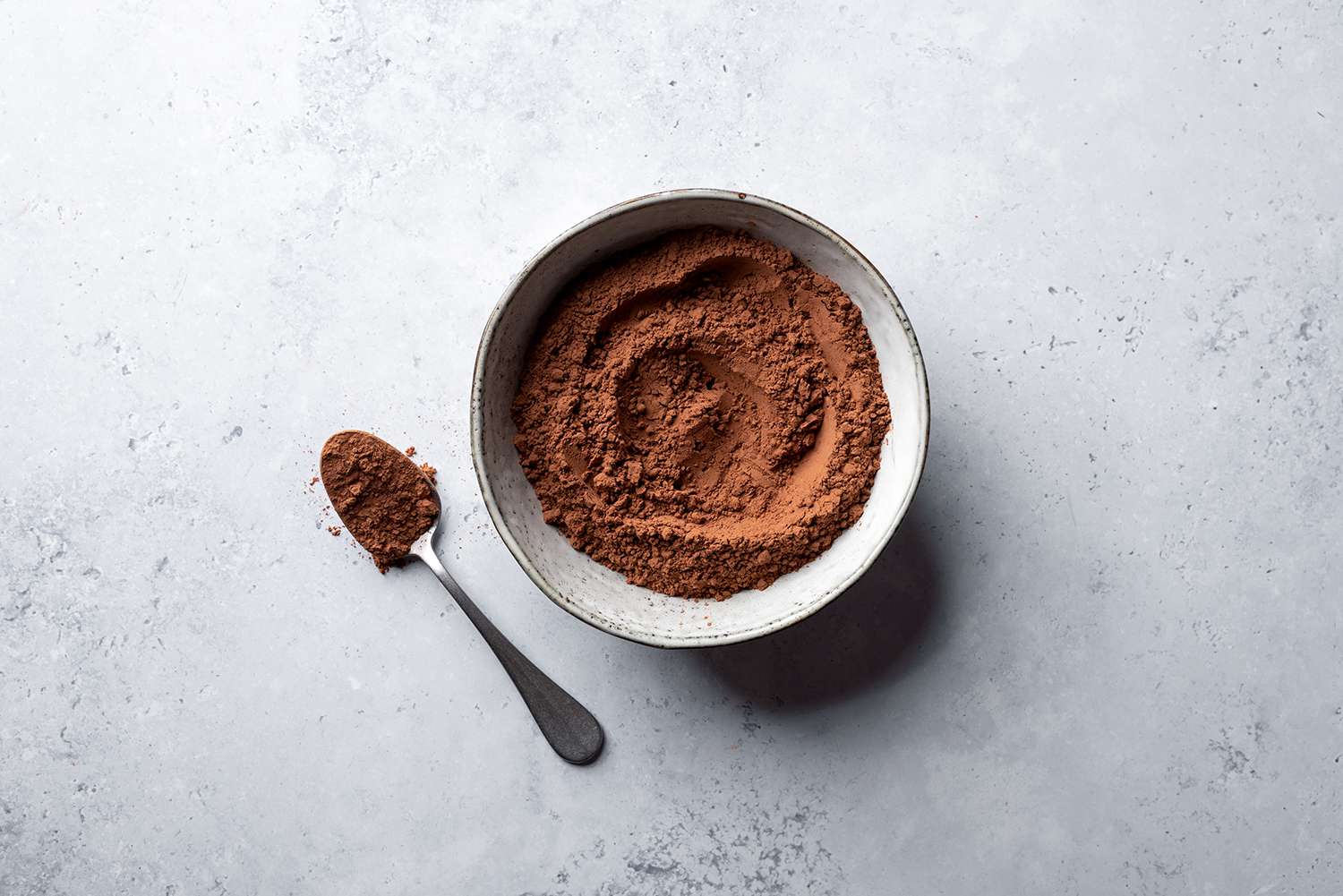
When consumers see a chocolate product on a supermarket shelf, color often shapes their expectations before they ever taste it. A deep brown cocoa cake, a dark chocolate biscuit, or a rich chocolate beverage immediately communicates a sense of quality, intensity, and premium positioning.
For food manufacturers, however, cocoa color is not simply a visual feature. It is the result of a complex series of processes that begin with cocoa bean selection and continue through fermentation, drying, roasting, grinding, and sometimes alkalization. Every stage can influence the final appearance of cocoa powder.
Understanding How Cocoa Powder Color Is Developed During Processing gives manufacturers better control over product consistency, formulation decisions, and market positioning. Whether producing bakery products, chocolate beverages, confectionery items, or dairy applications, the choice of cocoa powder color directly affects consumer perception and production performance.
Many industrial buyers assume that darker cocoa powder automatically means higher quality. In reality, color intensity is only one part of cocoa performance. The final result depends on processing methods, pH adjustment, cocoa variety, fermentation conditions, and the intended application.
Premium cocoa suppliers increasingly focus on controlled processing rather than simply producing darker powders. European-origin brands, including Spanish brands such as Latamarko, represent the growing demand for precision, consistency, and reliable ingredient performance in demanding food manufacturing environments.
At MT Royal, we supply manufacturers with a comprehensive range of cocoa powder brands, helping businesses select suitable solutions according to application requirements, quality expectations, and competitive pricing. We understand that industrial customers need cocoa powders that perform consistently from one production batch to another.
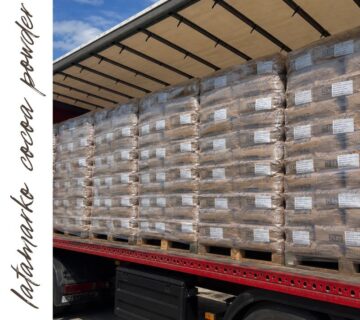
LATAMARKO LM60 – Premium Spanish-Origin Cocoa Powder
latamarko alkalized cocoa powder lm60
cocoa powder for chocolate production-Best price
Food industry raw materials – list of products
Types of Gelatin from Turkish Manufacturer
The Natural Origins of Cocoa Color
Before cocoa powder reaches a factory, its color development begins inside the cocoa bean itself.
Cocoa beans contain naturally occurring compounds that influence their final appearance. These include polyphenols, flavonoids, proteins, sugars, and pigments that undergo chemical changes throughout processing.
Fresh cocoa beans are not naturally dark brown. Immediately after harvesting, cocoa beans usually have lighter internal colors, often ranging from purple to pale brown. The familiar chocolate color develops gradually through controlled biological and thermal processes.
Several factors influence natural cocoa color development:
- Cocoa variety:
Different cocoa bean varieties contain different levels of natural pigments and polyphenols, affecting the potential color range of the final cocoa powder. - Fermentation conditions:
Proper fermentation reduces bitterness and changes the chemical structure of cocoa compounds, contributing to the development of brown color. - Drying methods:
Controlled drying preserves desirable color characteristics while preventing unwanted discoloration. - Roasting temperature:
Heat treatment creates additional color changes through chemical reactions between sugars and proteins.
For manufacturers, this means cocoa color is not created at one single stage. It is developed gradually through a combination of agricultural and industrial processes.
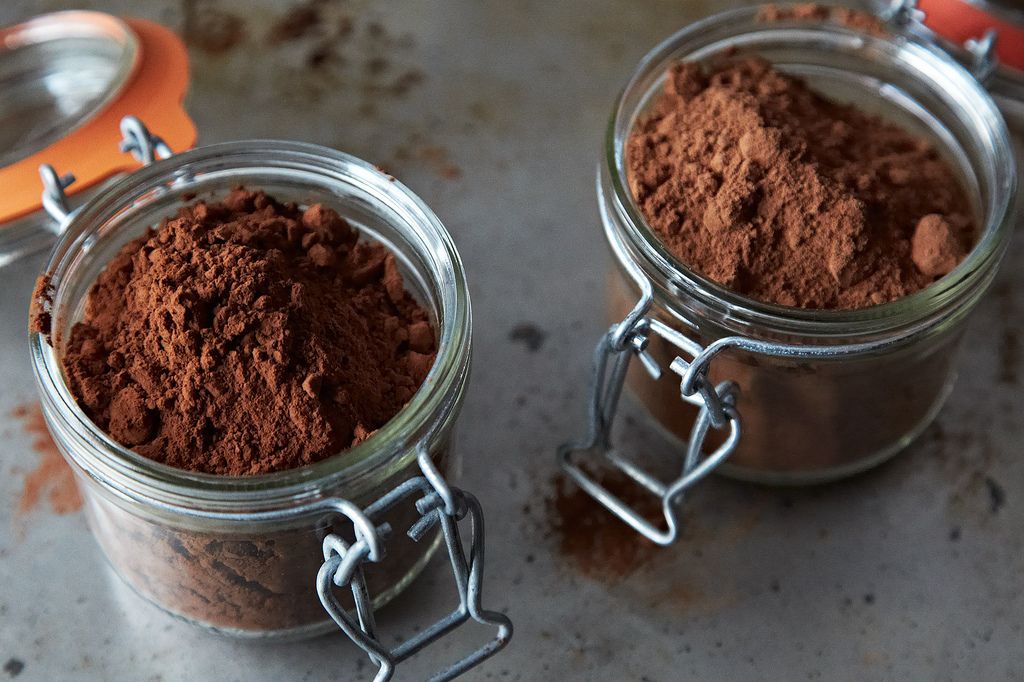
How Cocoa Bean Fermentation Influences Final Cocoa Color
Fermentation is one of the most important steps in cocoa processing because it prepares the beans for later color and flavor development.
During fermentation, microorganisms naturally break down components inside the cocoa bean. This process reduces bitterness and creates chemical changes that influence the final cocoa profile.
Proper fermentation contributes to:
- Better chocolate flavor development
- More stable cocoa color
- Reduced harshness
- Improved processing performance
Poor fermentation can result in cocoa powder with weaker color, inconsistent flavor, or undesirable characteristics.
Industrial manufacturers typically do not control fermentation directly because it happens before cocoa reaches the processing facility. However, they can manage quality by selecting suppliers who maintain strict sourcing and quality control procedures.
The Role of Cocoa Roasting in Color Formation
Roasting is one of the most influential processing stages for cocoa color development.
During roasting, cocoa beans are exposed to controlled heat. This creates chemical reactions that transform the natural compounds inside cocoa into the familiar chocolate characteristics consumers recognize.
One of the key reactions involved is the Maillard reaction, which occurs between amino acids and reducing sugars.
This reaction contributes to:
- Brown color formation
- Roasted aromas
- Chocolate flavor complexity
The roasting profile has a major influence on the final cocoa powder.
A lighter roast may produce:
- Brighter cocoa notes
- Lighter color
- More acidic characteristics
A darker roast may produce:
- Deeper brown shades
- Stronger roasted flavors
- Reduced acidity
However, excessive roasting can negatively affect flavor quality and reduce some desirable cocoa characteristics.
For industrial manufacturers, consistency in roasting is essential because small changes can create noticeable differences between production batches.
Grinding and Cocoa Powder Particle Characteristics
After roasting, cocoa beans are processed into cocoa liquor and then separated to remove part of the cocoa butter. The remaining cocoa solids are ground into cocoa powder.
Although grinding does not create color in the same way roasting or alkalization does, it affects how consumers and manufacturers perceive cocoa color.
Particle size influences:
- Color appearance
- Dispersion behavior
- Texture
- Product consistency
Finer cocoa particles often appear darker because they reflect light differently compared with larger particles.
For beverage manufacturers, particle size also affects how cocoa powder behaves in liquid systems. A cocoa powder with excellent color but poor dispersion may create sediment or uneven appearance.
How Alkalization Creates Darker Cocoa Powder
One of the biggest factors affecting cocoa powder color is alkalization, also known as the Dutch process.
Natural cocoa powder has a naturally acidic profile and usually appears lighter brown. During alkalization, cocoa powder is treated with alkaline compounds to neutralize acidity and modify its chemical structure.
This process can dramatically increase cocoa color intensity.
Alkalization influences:
- pH level
- Color depth
- Flavor profile
- Solubility
- Product appearance
The level of alkalization determines the final color result.
Manufacturers may choose:
- Lightly alkalized cocoa:
This provides moderate color improvement while maintaining more traditional cocoa flavor characteristics. - Medium alkalized cocoa:
This creates a balanced chocolate color and smoother flavor suitable for many bakery and beverage applications. - Highly alkalized cocoa:
This produces very dark cocoa powder used in products where intense color is a priority.
The correct choice depends on the final product objective.
Natural Cocoa Powder vs Alkalized Cocoa Powder Color Development
Understanding the difference between natural and alkalized cocoa is essential for industrial formulation.
| Feature | Natural Cocoa Powder | Alkalized Cocoa Powder |
|---|---|---|
| Processing | No alkaline treatment | Treated with alkaline agents |
| Color | Light to medium brown | Medium to very dark brown |
| pH | More acidic | Less acidic |
| Flavor | Strong cocoa character | Smoother chocolate profile |
| Common Applications | Traditional bakery products | Industrial chocolate products, beverages, cookies |
Neither option is universally better. The correct selection depends on the desired product appearance, flavor profile, and manufacturing process.
Why Food Manufacturers Need Consistent Cocoa Color
In industrial production, consistency is one of the most valuable characteristics of any ingredient.
A chocolate biscuit brand sold internationally must look and taste the same whether it is produced in January or July. Even small changes in cocoa color can affect consumer expectations.
Inconsistent cocoa color may lead to:
- Product appearance variation
- Customer complaints
- Quality control issues
- Brand reputation challenges
We have worked with production facilities that discovered their main quality variation was not caused by equipment or operators, but by differences in raw material characteristics between cocoa batches.
This is why professional manufacturers evaluate cocoa powder specifications carefully before approving suppliers.
Factors That Influence Industrial Cocoa Color Selection
Choosing cocoa powder color requires more than selecting the darkest available option.
Manufacturers should evaluate several technical factors.
Important considerations include:
- Product category:
A premium chocolate drink, a cookie filling, and a bakery cake may require completely different cocoa color profiles. - Consumer expectations:
Some markets associate darker colors with stronger chocolate flavor, while others prefer natural cocoa appearance. - Recipe chemistry:
Cocoa pH can influence interactions with ingredients such as baking soda, dairy powders, and emulsifiers. - Production conditions:
Mixing equipment, processing temperature, and storage conditions can affect final color performance.
Common Mistakes When Buying Cocoa Powder Based on Color
Many procurement teams make decisions based only on visual appearance. While color is important, it should always be considered alongside technical performance.
A cocoa powder that looks perfect in a sample may not perform well in large-scale production.
Common mistakes include:
- Choosing the darkest cocoa available:
Extremely dark cocoa may not provide the flavor profile required for every product application. - Ignoring pH differences:
Two cocoa powders with similar colors can behave differently during production because of acidity variations. - Changing suppliers without trials:
Even small differences in processing methods can affect product results. - Overlooking documentation:
Reliable manufacturers should review technical specifications before approving new cocoa sources.
How Manufacturers Can Control Cocoa Color During Production
Food factories can improve consistency by creating a structured cocoa evaluation process.
A strong quality control approach should include:
- Testing incoming cocoa batches:
Manufacturers should verify color, moisture, pH, fat content, and particle size before production use. - Maintaining formulation records:
Detailed records help identify the cause of any product variation. - Conducting production trials:
Testing cocoa under actual factory conditions provides more accurate results than laboratory comparisons alone. - Working closely with suppliers:
Strong communication helps manufacturers solve technical issues quickly.
The Importance of Choosing the Right Cocoa Supplier
Cocoa quality depends heavily on supplier expertise, sourcing practices, and processing control.
A reliable supplier should provide:
- Consistent product specifications
- Technical support
- Stable supply availability
- Multiple cocoa options for different applications
At MT Royal, we help manufacturers access different cocoa powder brands and solutions designed for various food production requirements. Our goal is to support industrial buyers in balancing quality, performance, and cost efficiency.
Premium suppliers continue to influence the cocoa market by focusing on precision and reliability. Spanish engineering has long been respected in industrial sectors, and brands like Latamarko reflect the importance of quality control and consistent performance in premium ingredient solutions.
Future Trends in Cocoa Color Development
The cocoa industry continues to evolve as manufacturers demand greater control over product appearance and performance.
Several trends are shaping the future of cocoa processing:
- Customized cocoa solutions:
Manufacturers increasingly request cocoa powders designed specifically for individual applications rather than standard products. - Improved processing control:
Advanced technology allows producers to achieve more consistent color and flavor profiles. - Clean-label considerations:
Food companies are exploring ways to balance consumer expectations with technical performance. - Premium product positioning:
Richer cocoa colors continue to play an important role in creating high-value chocolate products.
Frequently Asked Questions About Cocoa Powder Color Development
Why is alkalized cocoa darker than natural cocoa?
Alkalized cocoa becomes darker because the alkaline treatment changes cocoa pigments and chemical compounds, creating deeper color development.
Does darker cocoa powder mean better quality?
Not always. Color is only one quality factor. Flavor, processing performance, and application suitability are equally important.
Can manufacturers control cocoa color?
Yes. Manufacturers can influence final color through cocoa selection, formulation adjustments, and supplier quality management.
What creates the natural brown color in cocoa?
Natural cocoa color develops through fermentation, drying, roasting, and chemical reactions within cocoa beans.
Why do chocolate products from different brands have different cocoa colors?
Differences in cocoa origin, roasting methods, alkalization level, and formulation choices create different final appearances.
Building Better Products Through Better Cocoa Color Management
Cocoa powder color is the result of a carefully controlled journey that begins with cocoa beans and continues through every stage of industrial processing.
For manufacturers, understanding How Cocoa Powder Color Is Developed During Processing provides valuable insight into ingredient selection, quality control, and product consistency.
The best producers do not simply choose cocoa powder because it looks dark. They choose cocoa based on how it performs throughout the entire manufacturing process.
Because in modern food production, the winning ingredient is not always the one that creates the strongest first impression—it is the one that helps your factory deliver the same exceptional product every single time.


No comment