

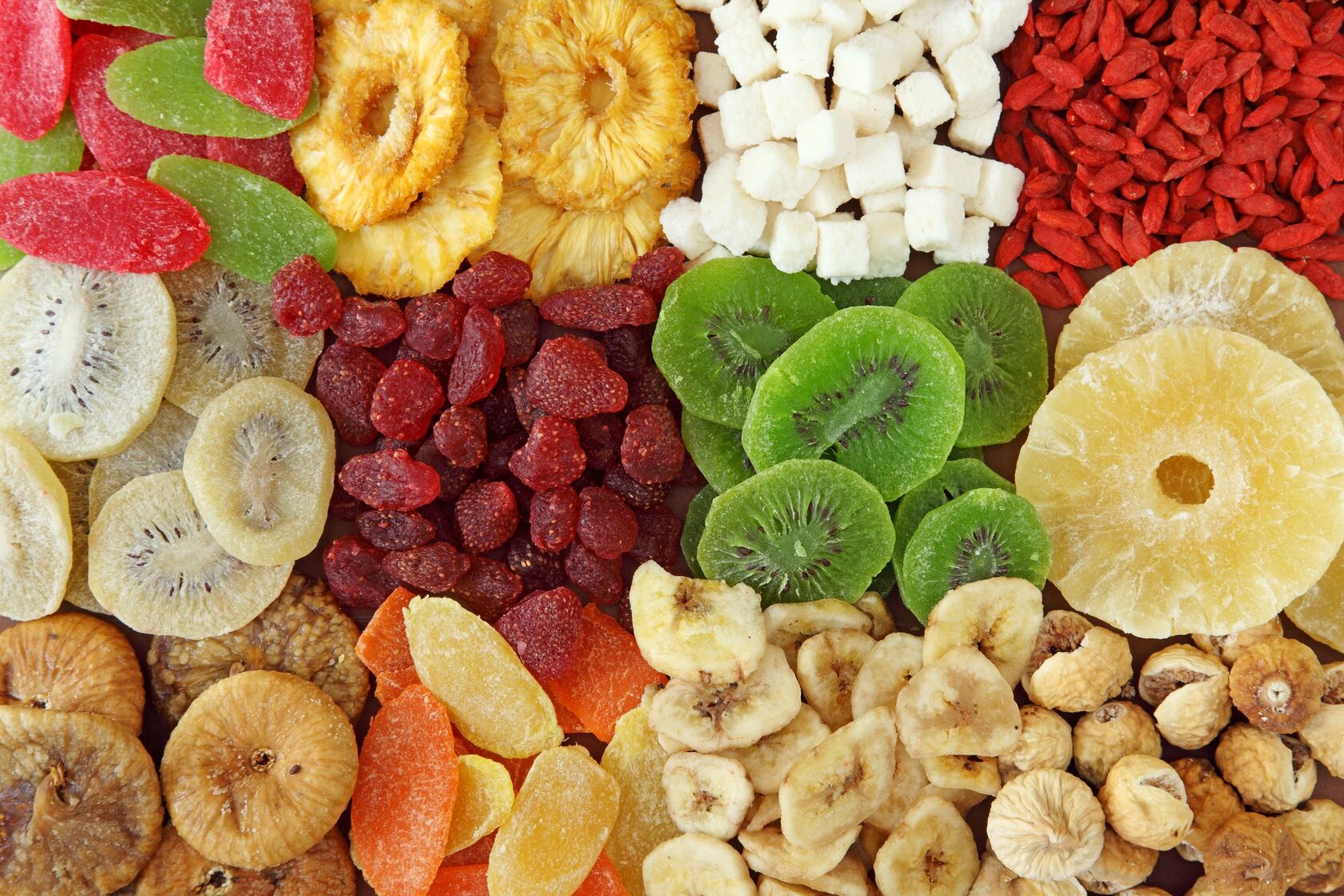
For food manufacturers, wholesalers, retailers, and ingredient buyers, importing dried fruits from Turkey can be a strategic way to secure high-quality products, diversify supply, and access one of the world’s most established dried-fruit production regions. If your business is looking for a dependable Turkish supplier, MT Royal is worth considering because it works across multiple product categories and brands while focusing on competitive sourcing for international buyers.
Turkey is particularly attractive because dried fruit is not a marginal agricultural product there. It is supported by established cultivation regions, processing infrastructure, export experience, and specialized suppliers. In 2023, Turkey exported approximately 483,000 tons of dried fruit worth $1.61 billion, with seedless raisins, dried apricots, and dried figs accounting for the overwhelming share of sector export revenue.
For a factory or procurement department, however, buying dried fruit successfully requires more than finding an attractive price per kilogram. Moisture, grade, size, color, sulfur treatment, microbiological quality, packaging, pesticide residues, storage conditions, and shipment timing can all affect your actual cost and finished-product performance.
This guide explains what you should know before building a Turkish dried-fruit supply chain.
Food industry raw materials – list of products
LATAMARKO – Premium Spanish-Origin Cocoa Powder
Why Import Dried Fruits from Turkey?
Turkey has a particularly strong position in several dried-fruit categories, making it an interesting sourcing market for food manufacturers and distributors.
The country’s traditional strengths include:
- Seedless raisins
- Dried apricots
- Dried figs
- Dried apples
- Dried peaches
- Dried pears
- Other processed and dried fruit products
The three flagship products—raisins, dried apricots, and dried figs—deserve particular attention. In 2023, raisins generated approximately $465 million in export revenue, while dried apricot exports generated about $405 million. Dried figs also represented approximately 15% of dried-fruit export revenue.
This specialization matters for international buyers because a mature production cluster usually means greater access to processors, grading facilities, exporters, packaging companies, laboratories, logistics providers, and experienced agricultural suppliers.
For a manufacturer, that ecosystem can be more valuable than a single low quotation.
What Does “Dried Fruit” Mean in Industrial Sourcing?
Dried fruit is fruit from which a substantial portion of its water has been removed through natural or controlled drying processes. Reducing water activity helps extend shelf life and makes the product easier and less expensive to transport.
However, “dried fruit” is not a single technical specification.
Two shipments of dried apricots can differ considerably in:
- Moisture content
- Fruit size
- Color
- Texture
- Sulfur dioxide level
- Defect percentage
- Foreign-material tolerance
- Sugar profile
- Microbiological condition
- Packaging format
- Shelf life
This is why professional dried fruit sourcing starts with a written product specification rather than a simple request for “good-quality Turkish dried apricots.”
Your purchasing team should define exactly what good quality means before requesting quotations.

The Major Turkish Dried Fruits You Should Consider
Turkish Dried Apricots
Dried apricots are one of Turkey’s most recognizable agricultural exports, with Malatya serving as the country’s best-known production center.
Turkey ranked first globally in dried-apricot exports in 2024, exporting approximately 76,400 tons. The Turkish Ministry of Agriculture also notes that the country accounted for about 51.4% of global dried-apricot exports in that year.
For industrial buyers, dried apricots can be purchased in different grades and formats depending on the intended application.
Potential uses include:
- Snack products
- Breakfast cereals
- Bakery products
- Chocolate and confectionery
- Energy bars
- Trail mixes
- Food-service products
- Retail packaging
- Ingredient manufacturing
One important sourcing issue is color. Sulfur-treated apricots typically retain a brighter orange appearance, while naturally dried products tend to be darker. Neither characteristic automatically determines overall quality; the correct choice depends on your product formulation, labeling requirements, consumer expectations, and destination-market regulations.
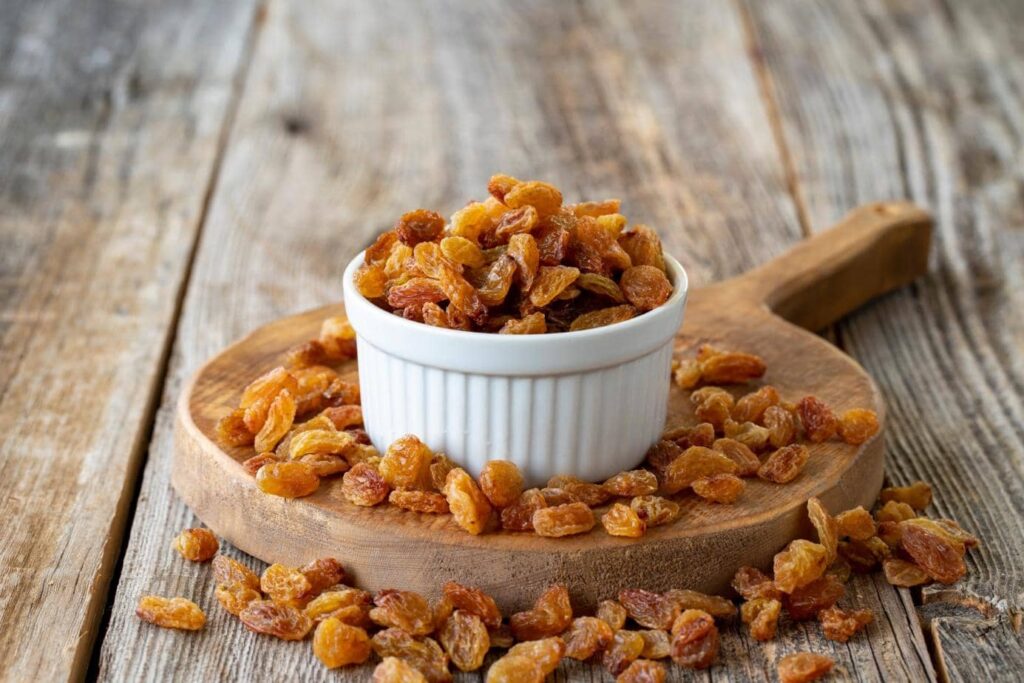
Turkish Seedless Raisins
Raisins are arguably the backbone of Turkey’s dried-fruit export sector.
In 2023, Turkey exported approximately 255,000 tons of raisins, generating around $465 million in revenue.
Turkish seedless raisins are widely used in:
- Bakery products
- Breakfast cereals
- Confectionery
- Granola
- Snack mixes
- Industrial bakery fillings
- Food-service products
- Retail packs
For large-scale production, pay close attention to berry size, moisture, color uniformity, stem and capstems, foreign material, oil treatment, and any required cleaning or sorting specifications.
A seemingly small difference in raisin size can influence processing behavior. In automated production, uniformity often matters almost as much as flavor because inconsistent pieces can create problems during dosing, mixing, and packaging.
Turkish Dried Figs
Turkey is also internationally recognized for dried figs, particularly varieties associated with the Aegean region.
Dried figs are suitable for both retail and industrial applications and can be supplied whole, sliced, diced, or in other processed forms depending on the producer.
Typical applications include:
- Premium snack packs
- Bakery fillings
- Fig bars
- Cereals
- Confectionery
- Dairy products
- Health-oriented foods
- Ingredient blends
For industrial purchasing, inspect the internal condition of the fruit as carefully as the exterior. Surface appearance alone does not tell you everything about texture, internal defects, insect damage, or microbiological condition.
Quality Control When Importing Dried Fruits from Turkey
Quality assurance should begin before the purchase order is issued.
A professional supplier evaluation should cover at least five areas.
1. Physical specifications
Specify:
- Fruit variety
- Size or count
- Color
- Shape
- Moisture range
- Defect tolerance
- Broken or damaged fruit percentage
- Foreign-material limits
2. Chemical requirements
Depending on the product and destination, you may need information about:
- Sulfur dioxide
- Pesticide residues
- Heavy metals
- Additives
- Preservatives
- Mycotoxins
Never assume that a product meeting one country’s requirements automatically meets the regulations of your destination market.
3. Microbiological testing
For commercial food imports, microbiological quality deserves particular attention. Testing requirements can vary according to the product, processing method, intended use, and importing country.
Depending on your specification, testing may include organisms such as:
- Salmonella
- Yeasts and molds
- Coliforms
- E. coli
Your laboratory and regulatory team should determine the appropriate testing protocol.
4. Packaging
Packaging is not simply a transportation issue.
It affects:
- Moisture migration
- Oxidation
- Shelf life
- Contamination risk
- Product handling
- Warehouse efficiency
Industrial buyers may choose bulk cartons, food-grade bags, vacuum packaging, or other formats depending on the product and application.
5. Traceability
Ask your supplier whether each lot can be traced back through processing and production records.
A good traceability system becomes particularly valuable when your factory receives thousands of kilograms and discovers that something does not match the approved specification.
Common Mistakes When Importing Dried Fruits from Turkey
Buying based only on price
This is perhaps the most expensive mistake.
Suppose Supplier A offers dried apricots at a lower price than Supplier B. If Supplier A’s product has excessive defects, inconsistent moisture, higher sorting losses, or packaging problems, the apparent saving may disappear before the material reaches your production line.
Evaluate total landed cost, not merely the supplier quotation.
Failing to request samples
A product specification is essential, but a production sample provides another layer of assurance.
Before committing to a large order, evaluate:
- Appearance
- Aroma
- Texture
- Taste
- Moisture
- Size consistency
- Defect rate
- Packaging
- Laboratory results
We recommend treating samples as technical qualification material rather than marketing samples. Your production team should test the fruit under actual operating conditions wherever possible.
Assuming “natural” means better
Natural drying, sulfur-treated drying, organic certification, conventional farming, and premium grading are different concepts.
A product marketed as natural is not automatically superior for your application. Your purchasing decision should be based on the specification required by your finished product and target market.
Ignoring seasonal variation
Agricultural products are not machine parts. The production environment changes every year.
Weather, rainfall, temperature, frost, crop disease, harvest timing, and regional conditions can affect yield and quality.
This is particularly important for dried apricots. Turkey’s 2025 apricot production forecast was significantly affected by late spring frosts in Malatya and surrounding regions, illustrating how agricultural supply can change sharply from one season to another.
Understanding Turkish Food Import Compliance
Importing food products involves regulatory responsibilities on both sides of the transaction.
The exact requirements depend on your destination country, but your procurement team may need to manage:
- Commercial invoices
- Packing lists
- Certificates of origin
- Health or phytosanitary documentation where applicable
- Laboratory reports
- Product specifications
- Allergen information
- Residue testing
- Customs classification
- Labeling requirements
- Import permits where required
Turkey’s Ministry of Agriculture and Forestry maintains specific import procedures for plant-origin food and feed products, and its regulatory system identifies products such as dried apricots, dried figs, and raisins within relevant plant-product controls.
The practical lesson is simple: verify destination-market requirements before the shipment leaves Turkey. Fixing documentation after cargo arrives is rarely the procurement team’s favorite hobby.
Importing Dried Fruits from Turkey for Large-Scale Production
If your factory consumes several tonnes per month, the sourcing strategy should be more sophisticated than ordering whenever inventory becomes uncomfortable.
Establish an annual purchasing forecast
Estimate your expected consumption by month or quarter.
Then consider:
- Seasonal availability
- Production schedules
- Safety stock
- Transit time
- Customs clearance
- Supplier capacity
- Expected demand fluctuations
Standardize your specifications
Create an internal specification sheet that procurement, quality assurance, R&D, and production all approve.
It should clearly state acceptable and unacceptable characteristics.
This prevents a familiar procurement problem: purchasing approves a product because it is commercially attractive, while quality assurance rejects it because nobody agreed on what “premium” meant.
Use pre-shipment inspection
For larger orders, consider independent inspection or supplier-side quality verification before shipment.
The inspection can verify:
- Quantity
- Packaging
- Product appearance
- Lot identification
- Sampling
- Documentation
- Selected laboratory parameters
Maintain more than one qualified source
For critical production materials, supplier diversification can protect your factory from crop failures, logistics disruptions, sudden price changes, or unexpected quality issues.
However, diversification does not mean buying randomly from five suppliers. Maintain a primary supplier and one or more technically qualified alternatives.
Organic, Conventional, and Premium Dried Fruit: Which Is Right?
The best choice depends on your market rather than on a universal hierarchy of “better” products.
Conventional dried fruit
Usually appropriate when:
- Cost efficiency is important
- Product volumes are high
- The target market is mainstream
- Your formulation does not require organic certification
Organic dried fruit
More suitable when:
- Your finished product is certified organic
- Your customers specifically demand organic ingredients
- Your target market supports a premium price
Premium-grade dried fruit
Useful for:
- Retail snack products
- Gift products
- Premium confectionery
- High-end bakery
- Products where visual appearance strongly influences purchasing
For industrial ingredients, however, premium appearance may not always justify the additional cost. A manufacturer producing an ingredient paste, for example, may prioritize microbiological quality, flavor, consistency, and functional characteristics over perfect visual appearance.
Emerging Trends in Turkish Dried-Fruit Sourcing
Sustainability is becoming increasingly important throughout agricultural supply chains. Turkey’s dried-fruit sector has itself highlighted sustainability as a major concern for production and export activities.
For international buyers, sustainability increasingly extends beyond the farm.
Procurement teams are examining:
- Water consumption
- Agricultural practices
- Packaging materials
- Energy consumption
- Waste reduction
- Supply-chain traceability
- Transport emissions
- Social compliance
Another important trend is the movement toward greater processing. Instead of importing only whole dried fruit, manufacturers increasingly have opportunities to source products in formats optimized for industrial applications, such as diced fruit, sliced fruit, paste, or ingredient blends.
That can reduce processing work inside your own factory and improve production efficiency.
Why Turkey Can Be a Strategic Sourcing Hub
The biggest advantage of Turkey is not simply that it produces dried fruit.
It is the combination of agricultural expertise, processing capacity, export infrastructure, geographic position, and established international trade relationships.
For European, Middle Eastern, North African, and other nearby markets, geographical proximity can also contribute to shorter transportation routes compared with sourcing from more distant agricultural regions.
But proximity should never replace due diligence.
A reliable supply relationship is built from four elements:
Consistent specification + verified quality + dependable logistics + commercially realistic pricing.
MT Royal can fit into this model for buyers looking for a Turkish supplier capable of handling multiple product categories and brands rather than managing every procurement requirement independently. For a factory purchasing both food raw materials and other commercial or industrial products, that broader capability can simplify supplier management without requiring you to compromise on technical specifications.
Frequently Asked Questions About Importing Dried Fruits from Turkey
What are the most popular dried fruits imported from Turkey?
The best-known Turkish dried-fruit exports are seedless raisins, dried apricots, and dried figs. These products account for a substantial portion of Turkey’s dried-fruit export activity and have established international markets.
Is Turkey a good source for dried apricots?
Yes. Turkey is a global leader in dried-apricot exports. In 2024, it exported approximately 76,400 tons and held the largest share of global dried-apricot exports.
What should I ask a Turkish dried-fruit supplier?
Ask for a detailed product specification, recent laboratory analysis, product photographs, sample material, available packaging formats, minimum order quantity, production capacity, lead time, certificates, traceability information, and shipping terms.
How can I reduce quality problems?
Start with a clear specification, approve samples before mass production, use lot-level testing, establish acceptance criteria, and consider pre-shipment inspection for significant orders.
Is importing dried fruits from Turkey suitable for food factories?
Yes, particularly when the factory has predictable demand and can benefit from bulk purchasing. The business case becomes stronger when the buyer has established quality specifications, adequate storage, and reliable demand forecasts.
Should I buy directly from a producer or through a trading company?
It depends on your procurement structure. Direct purchasing may work well for large, standardized volumes. A specialized trading company can be more convenient when you require several product categories, multiple brands, supplier coordination, or consolidated sourcing.
What is the most important factor when choosing a supplier?
Consistency. A supplier that delivers an acceptable product once is not necessarily a good industrial supplier. Your factory needs a partner capable of delivering the agreed specification repeatedly across multiple lots and seasons.
Making Turkish Dried Fruit Part of a Stronger Supply Chain
Importing dried fruits from Turkey can be commercially attractive, but the strongest results come when procurement is treated as a technical discipline rather than a simple buying exercise.
Start with the application. Determine exactly what your factory needs, define measurable specifications, evaluate suppliers against those requirements, and calculate the complete landed cost. Then validate the product through samples and testing before committing to substantial quantities.
Turkey’s position in the global dried-fruit market gives buyers access to established products such as raisins, dried apricots, and dried figs, while its processing and export infrastructure creates opportunities for more specialized ingredient sourcing. Current agricultural data also demonstrates why buyers need contingency planning: harvest conditions can materially affect availability and production from one season to the next.
In our experience, the most successful sourcing relationships are rarely built around the cheapest initial quotation. They are built around predictable quality, transparent communication, accurate documentation, and a supplier that understands what happens after the truck arrives at your factory.
That is where a supplier such as MT Royal can become useful—not because every buyer needs another intermediary, but because a reliable multi-category sourcing partner can reduce the number of moving parts in an international procurement operation while keeping attention on the things that actually affect your production line.
When the next harvest arrives, your competitive advantage will not be the ability to find dried fruit. It will be the ability to secure the right dried fruit, at the right specification, in the right condition, at the right landed cost—and to do it consistently.


No comment