

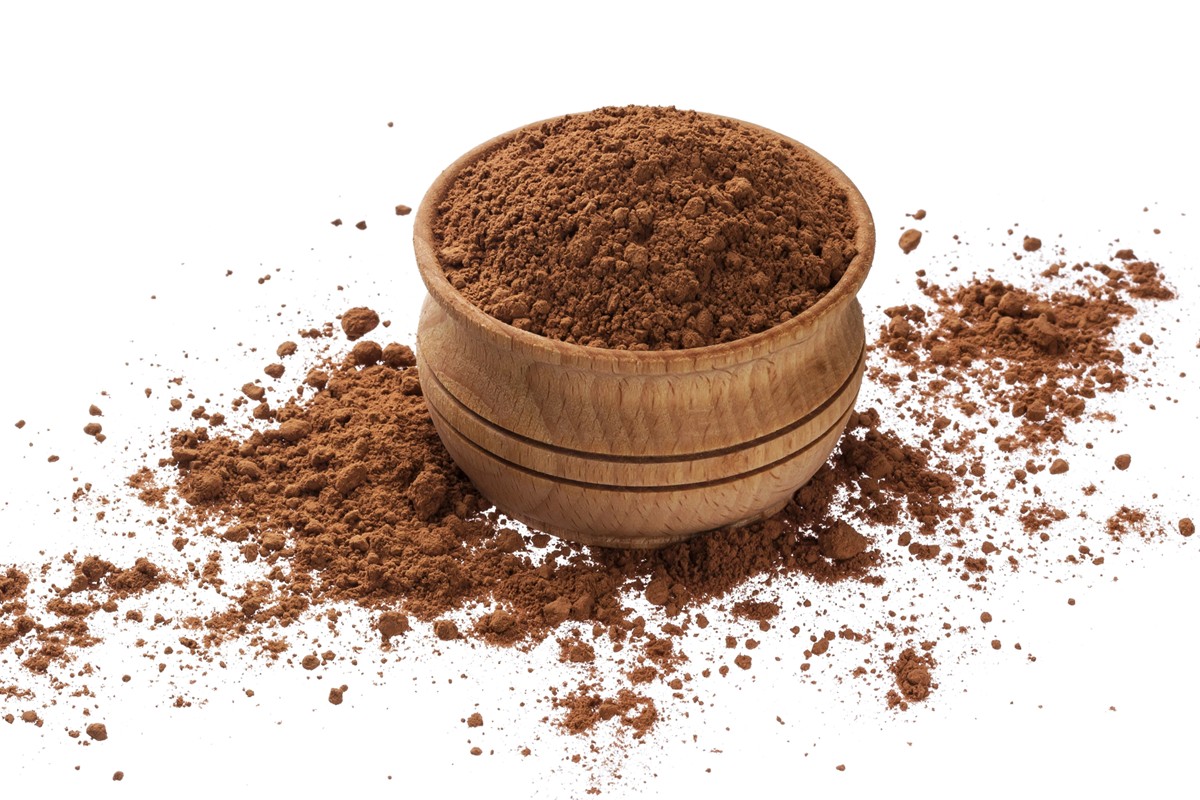
When people see the label “100% cocoa,” they often assume they are choosing the purest and healthiest form of chocolate available. However, one important detail can significantly change the characteristics of cocoa: whether it has been processed with alkali.
This raises an important question: Is 100% cocoa processed with alkali healthy?
The answer is not simply yes or no. Alkalized cocoa, also known as Dutch-process cocoa, is still a natural cocoa product made from cocoa beans, but it undergoes an additional treatment that changes its acidity, color, flavor, and some nutritional characteristics.
For consumers, understanding this process helps them make informed dietary choices. For food manufacturers, the decision is even more complex because cocoa processing affects product performance, sensory quality, formulation stability, and consumer expectations.
A chocolate factory, bakery producer, or beverage manufacturer must consider not only nutritional aspects but also how cocoa behaves during production.
At MT Royal, we work with manufacturers that require reliable cocoa solutions for different applications, helping them select suitable cocoa products based on technical requirements, quality expectations, and final product goals.
LATAMARKO LM60 – Premium Spanish-Origin Cocoa Powder
latamarko alkalized cocoa powder lm60
cocoa powder for chocolate production-Best price
Food industry raw materials – list of products
What Is 100% Cocoa Processed with Alkali?
To understand alkalized cocoa, it is important to first understand how cocoa powder is produced.
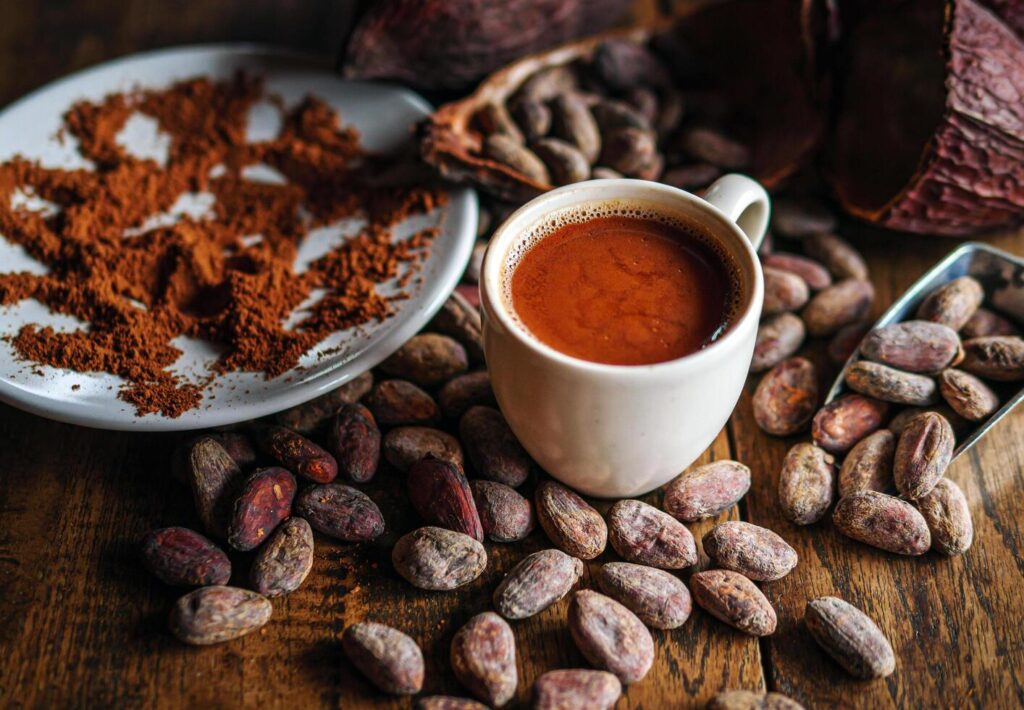
Cocoa powder begins as cocoa beans harvested from cocoa trees. After fermentation and drying, the beans are roasted and ground into cocoa liquor. Cocoa butter is partially removed, leaving behind cocoa solids that are processed into cocoa powder.
Natural cocoa powder has a naturally acidic profile. During alkalization, manufacturers treat cocoa solids with an alkaline solution, usually using compounds such as potassium carbonate, to neutralize some of the acidity.
This process is known as:
- Dutch processing
- Alkaline processing
- Cocoa alkalization
The result is cocoa powder with different characteristics compared with natural cocoa.
How Does Alkalization Change Cocoa Powder?
Alkalization does more than simply change the color of cocoa.
It influences several important properties.
Darker Color Appearance
One of the most noticeable differences is color.
Natural cocoa usually has a lighter brown appearance, while alkalized cocoa can range from medium brown to very dark shades depending on the intensity of processing.
This makes alkalized cocoa popular in products where manufacturers want:
- Rich chocolate appearance
- Dark bakery products
- Premium-looking beverages
- Strong visual impact
For example, many chocolate cookies and dark cocoa beverages use alkalized cocoa because consumers associate deeper color with stronger chocolate flavor.
Reduced Acidity and Smoother Flavor
Natural cocoa has a sharper acidic taste.
Alkalization reduces acidity and creates a smoother flavor profile with less bitterness.
This can be beneficial in:
- Drinking chocolate
- Dairy beverages
- Ice cream
- Chocolate desserts
However, some cocoa enthusiasts prefer natural cocoa because they enjoy its brighter and more complex acidic notes.

Does Alkalized Cocoa Lose Nutritional Value?
This is one of the most common questions about Dutch-process cocoa.
The answer depends on what nutritional factors you are considering.
Cocoa naturally contains:
- Flavanols
- Polyphenols
- Minerals
- Dietary fiber
- Natural antioxidants
During alkalization, some cocoa flavanols can decrease because these compounds are sensitive to processing conditions.
However, alkalized cocoa still contains valuable nutrients.
It remains a source of:
- Magnesium
- Iron
- Potassium
- Cocoa solids
- Natural plant compounds
The level of nutritional change depends on the degree of alkalization.
A lightly alkalized cocoa powder may retain more natural compounds compared with a heavily processed dark cocoa.
Comparing Natural Cocoa and Alkalized Cocoa
Manufacturers often compare these two cocoa types when selecting ingredients.
| Feature | Natural Cocoa Powder | Alkalized Cocoa Powder |
|---|---|---|
| Acidity | Higher natural acidity | Lower acidity |
| Flavor | More intense and slightly sharper | Smoother and milder |
| Color | Light to medium brown | Darker brown shades |
| pH level | Lower pH | Higher pH |
| Baking behavior | Works well with acidic ingredients | Better for neutral formulations |
| Appearance | Natural cocoa color | Rich chocolate appearance |
The better option depends on the application.
A premium bakery product may require the appearance of dark alkalized cocoa, while a health-focused product may prioritize higher flavanol retention.
Is 100% Alkalized Cocoa Suitable for Food Manufacturing?
For industrial manufacturers, alkalized cocoa offers several practical advantages.
The question is not only whether it is healthy, but whether it performs well in production.
Better Color Control
Large factories need consistency.
A chocolate biscuit manufacturer producing millions of units cannot afford major differences between production batches.
Alkalized cocoa helps manufacturers achieve stable color across large-scale production.
Improved Flavor Balance
Many consumers prefer smooth chocolate flavors rather than strong acidity.
Alkalized cocoa can help manufacturers create products with broader consumer appeal.
Better Product Appearance
In competitive markets, appearance strongly influences purchasing decisions.
Dark chocolate-colored products often appear richer and more premium to consumers.
Common Misconceptions About Alkalized Cocoa
There are several misunderstandings about cocoa processed with alkali.
Alkalized cocoa is unhealthy because it is processed.
Processing does not automatically make a food unhealthy.
Many food ingredients undergo controlled processing to improve stability, safety, or performance.
The important factor is the overall quality of the product and the role it plays in the diet.
100% cocoa always means maximum health benefits.
The term “100% cocoa” means the product contains cocoa ingredients without added sugar or milk ingredients.
However, processing methods still influence nutritional characteristics.
A 100% alkalized cocoa powder is still pure cocoa, but its composition may differ slightly from natural cocoa.
Darker cocoa is always better.
Color does not always indicate higher quality.
A very dark cocoa may simply have undergone stronger alkalization.
Professional manufacturers evaluate cocoa through technical specifications rather than appearance alone.
What Should Manufacturers Consider When Buying Alkalized Cocoa?
For industrial buyers, selecting cocoa requires careful evaluation.
Important factors include:
- Degree of alkalization: The level of processing affects color, flavor, and nutritional characteristics. Manufacturers should select the right intensity based on their product requirements.
- Cocoa origin: The origin of cocoa beans influences aroma, flavor complexity, and overall quality. Different regions offer different sensory profiles.
- Fat content: Cocoa butter percentage affects mouthfeel, richness, and processing behavior in finished products.
- Supplier reliability: A consistent supplier helps factories avoid production interruptions and quality variations.
Choosing the Right Cocoa Supplier
A reliable supplier should understand both ingredient quality and factory operations.
At MT Royal, we supply manufacturers with a variety of cocoa brands and solutions, helping businesses compare options based on application, specifications, and commercial requirements.
We’ve worked with production facilities across different industries and understand that choosing cocoa is not only about purchasing a raw material. It is about protecting production efficiency, maintaining consistency, and meeting customer expectations.
Premium manufacturers may also consider European-origin cocoa solutions. Spanish manufacturing expertise has earned recognition in industrial markets, and brands such as Latamarko represent a premium approach focused on quality consistency and refined production standards.
Practical Tips for Factories Using Alkalized Cocoa
Manufacturers can improve results by following several best practices:
- Test cocoa before large-scale purchasing: Trial production helps confirm flavor, color, and processing compatibility before committing to bulk orders.
- Store cocoa correctly: Cocoa powder should be kept in dry, temperature-controlled conditions to maintain quality and prevent moisture absorption.
- Match cocoa type with application: Beverage products, bakery items, and chocolate formulations may require different cocoa characteristics.
- Review technical documents carefully: Specifications such as pH, fat content, and moisture level help ensure the ingredient matches production requirements.
Frequently Asked Questions About 100% Cocoa Processed with Alkali
Is alkalized cocoa safe to consume?
Yes. Alkalized cocoa is considered safe and is widely used in food manufacturing worldwide.
Is natural cocoa healthier than alkalized cocoa?
Natural cocoa may contain higher levels of certain flavanols, but alkalized cocoa still provides nutritional value and offers advantages in flavor and processing.
Why do manufacturers use alkalized cocoa?
Manufacturers choose alkalized cocoa because of its smoother flavor, darker color, and improved compatibility with many food applications.
Is 100% alkalized cocoa better than regular chocolate?
Not necessarily. Cocoa powder and chocolate products serve different purposes. The quality depends on ingredients, formulation, and consumption habits.
Understanding whether 100% cocoa processed with alkali is healthy requires looking beyond the word “processed.” Alkalization is a controlled technique that changes cocoa characteristics rather than removing its identity as a cocoa product.
For manufacturers, the best cocoa choice is the one that delivers the right balance of flavor, appearance, nutrition, consistency, and production performance. The real measure of quality is not only how cocoa begins its journey, but how successfully it performs when it reaches the production line.




No comment