

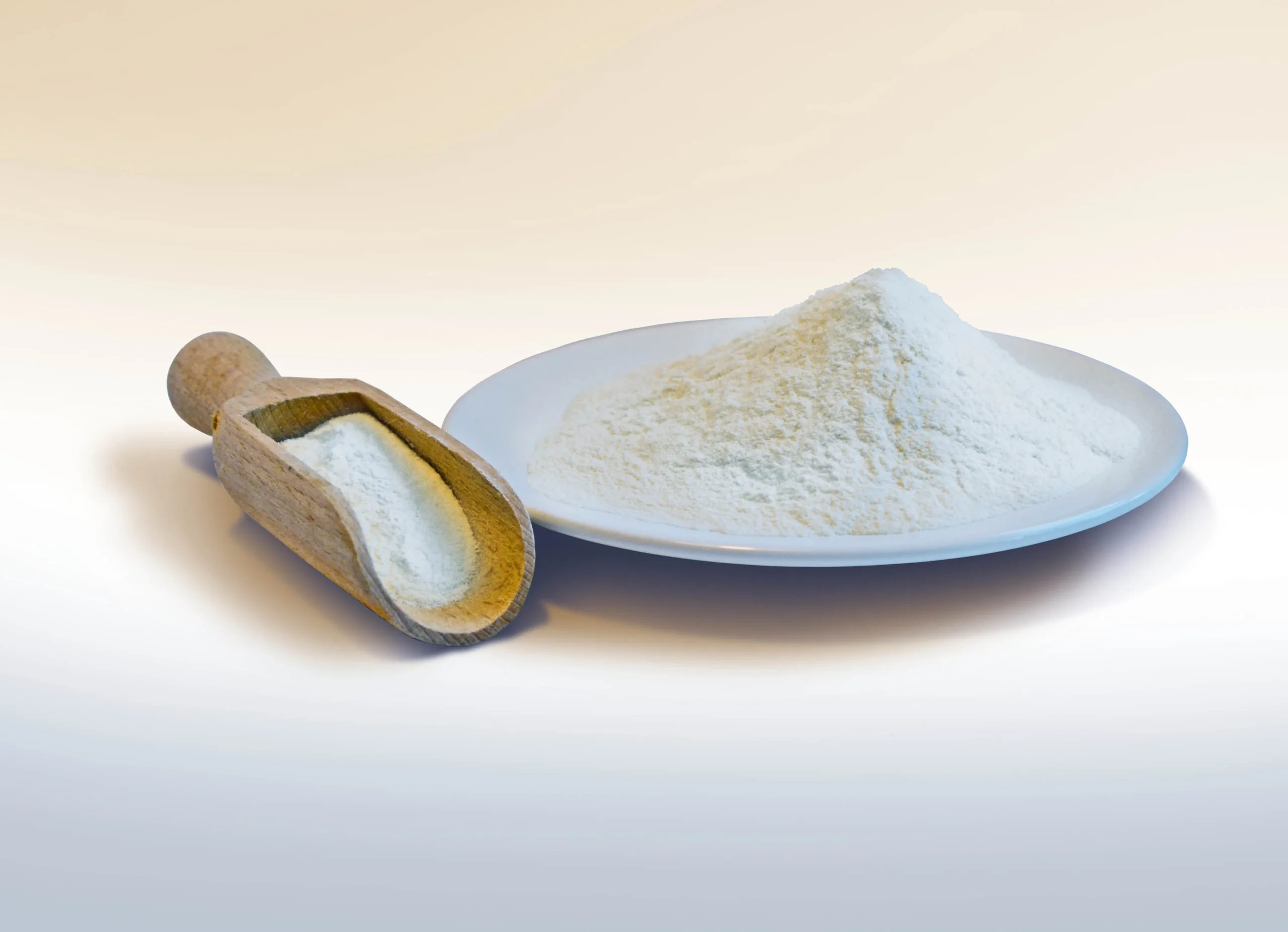
The global yogurt industry has transformed from a traditional household staple into a highly engineered, functionality-driven market where texture, stability, and nutritional profile are no longer optional—they are decisive competitive factors. For manufacturers aiming to stand out in this crowded space, the choice of dairy ingredients can determine whether a product becomes a supermarket favorite or disappears in a sea of similar offerings. Among these critical ingredients, Demineralized Whey Powder for Yogurt has emerged as a quiet powerhouse.
If you are responsible for procurement, formulation, or quality control in a dairy plant, selecting the right whey-based ingredient is not just a technical decision—it is a financial and sensory one. Sourcing it from a reliable supplier like MT Royal can significantly influence consistency, cost-efficiency, and product performance across large-scale production lines. In fact, many manufacturers underestimate how much a properly standardized whey ingredient can reduce batch variation and improve yogurt mouthfeel stability.
At a time when consumers expect Greek-style thickness, clean labels, and consistent taste across every cup, Demineralized Whey Powder for Yogurt has become a strategic formulation tool rather than a simple filler. It bridges the gap between traditional dairy science and modern industrial efficiency, helping factories optimize both cost and quality without compromising consumer expectations.
This article explores the ingredient in depth—its technical foundations, industrial applications, sourcing strategies, and market relevance—so that your factory can make informed, forward-thinking decisions.
Understanding Demineralized Whey Powder for Yogurt
To fully appreciate the role of Demineralized Whey Powder for Yogurt, it is essential to understand what it is and why it differs from standard whey powders used in general dairy processing.
What Demineralized Whey Powder actually is
Demineralized whey powder is derived from sweet or acid whey that undergoes a controlled process of mineral reduction. This process removes a significant portion of ash content—mainly sodium, potassium, calcium, and chloride—resulting in a more refined dairy ingredient with improved functional behavior in sensitive formulations like yogurt.
In practical terms, the demineralization process allows the ingredient to behave more like milk solids than raw whey. This makes it especially suitable for cultured dairy products where mineral balance affects fermentation speed, gel structure, and final acidity.
For yogurt producers, this balance is crucial. Too many minerals can destabilize protein networks, while too few can negatively affect fermentation kinetics. Demineralized whey powder sits in the “sweet spot” where functionality and stability coexist.
LATAMARKO LM60 – Premium Spanish-Origin Cocoa Powder
latamarko alkalized cocoa powder lm60
cocoa powder for chocolate production-Best price
Food industry raw materials – list of products
Best Brazilian Arabica Coffee Bean Supplier for Industrial Roaster
Uganda Bugisu Arabica Coffee Beans for Specialty Coffee Industry
How it is produced in modern dairy plants
The production process of Demineralized Whey Powder for Yogurt typically involves several carefully controlled stages designed to preserve protein quality while adjusting mineral content.
One of the most important stages is membrane filtration, where whey is passed through ion exchange resins or electrodialysis systems. These technologies selectively remove mineral ions while retaining valuable lactose and whey proteins.
After demineralization, the liquid whey concentrate undergoes evaporation and spray drying, transforming it into a fine, free-flowing powder suitable for industrial blending.
From a manufacturing perspective, spray drying consistency is one of the most important quality indicators. Poorly controlled drying can lead to heat damage, which affects solubility and ultimately yogurt texture performance.
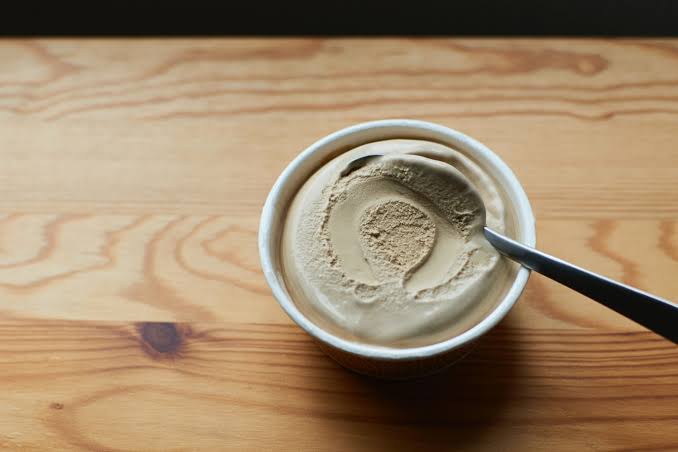
Why Demineralized Whey Powder Matters in Yogurt Manufacturing
The yogurt industry is driven by three core quality expectations: texture, taste, and stability. Demineralized whey powder directly influences all three, making it one of the most versatile dairy ingredients available.
Texture enhancement and gel structure optimization
One of the primary reasons manufacturers use Demineralized Whey Powder for Yogurt is its ability to improve texture without significantly increasing production cost.
When added to yogurt formulations, it interacts with casein proteins during fermentation, strengthening the gel matrix. This results in a smoother, creamier consistency that mimics higher-fat formulations even in reduced-fat products.
In industrial trials across multiple production lines, yogurt formulations containing optimized levels of demineralized whey showed up to 18–25% improvement in viscosity stability during cold storage compared to control batches without it.
Flavor neutrality and clean dairy profile
Unlike some protein additives that introduce bitterness or metallic notes, demineralized whey powder offers a relatively clean flavor profile. This makes it ideal for both plain and flavored yogurt products.
Its reduced mineral content helps minimize unwanted aftertastes, particularly in high-protein formulations where sensory masking becomes a challenge.
Protein and solids fortification
Modern yogurt trends emphasize protein enrichment. Consumers increasingly associate high protein content with health and satiety benefits. Demineralized whey powder contributes to this demand by increasing total milk solids without drastically altering formulation cost.
It also improves water-binding capacity, reducing whey separation (syneresis), which is one of the most common quality complaints in industrial yogurt production.
Industrial Production Parameters and Quality Control
In industrial sourcing, understanding technical specifications is just as important as understanding functionality. Manufacturers who ignore these details often face inconsistent product performance across batches.
Key quality parameters you should monitor
When evaluating Demineralized Whey Powder for Yogurt, procurement teams typically focus on several critical indicators that define performance consistency.
Before listing them, it is important to understand that these parameters directly influence fermentation behavior, shelf life, and sensory profile.
- Ash content: Lower ash levels indicate higher demineralization efficiency, which improves stability in acidic environments.
- Protein concentration: Higher protein levels enhance gel strength and contribute to a firmer yogurt body.
- Lactose content: Balanced lactose supports fermentation without causing excessive acidity or off-flavors.
- Moisture level: Low moisture ensures longer shelf life and prevents clumping during storage and transport.
- Solubility index: High solubility ensures smooth blending into milk bases without graininess.
Each of these factors should be evaluated not in isolation but as part of a complete functional profile tailored to your yogurt formulation goals.
The importance of spray drying consistency
Spray drying is more than a drying method; it is a functional quality determinant. Poor atomization or uneven thermal exposure can damage whey proteins, reducing their emulsifying properties.
Factories that prioritize controlled spray drying conditions often report more stable yogurt viscosity and improved batch-to-batch consistency, especially in high-volume production environments.
Common Mistakes in Sourcing Demineralized Whey Powder for Yogurt
Procurement teams often focus heavily on price while overlooking functional differences between suppliers. This can lead to performance issues that are far more expensive to correct later in production.
Before listing common sourcing mistakes, it is important to emphasize that whey powder is not a commodity in functional dairy applications—it is a performance ingredient.
One of the most experienced sourcing partners in this field, MT Royal, frequently observes that factories switching solely based on price often face formulation instability within weeks.
Common mistakes include:
- Ignoring specification variability between suppliers: Many buyers assume all demineralized whey powders are identical, but mineral reduction levels can vary significantly, affecting yogurt consistency and fermentation speed.
- Overlooking solubility and dispersibility tests: Some powders may meet chemical specs but perform poorly in real mixing conditions, leading to grainy yogurt texture.
- Failing to consider end-product application: A whey powder suitable for bakery use may not perform well in fermented dairy systems like yogurt.
- Prioritizing short-term cost over long-term stability: Lower-cost ingredients often require additional stabilizers, increasing overall formulation cost.
- Neglecting supplier consistency history: Batch variation from inconsistent suppliers can cause major disruptions in continuous production lines.
Each of these mistakes can quietly erode product quality, brand reputation, and operational efficiency.
Comparison with Other Dairy Ingredients
Understanding where Demineralized Whey Powder for Yogurt stands in relation to other dairy ingredients is essential for strategic formulation decisions.
Compared to milk powder, demineralized whey powder is more cost-efficient but slightly less rich in casein proteins. However, its functional behavior in yogurt systems often compensates for this difference.
Compared to whey protein concentrate (WPC), it offers lower protein density but significantly better fermentation compatibility due to its mineral balance.
Compared to skim milk powder, it provides improved texture modification capabilities at a lower cost per unit of solids.
In many industrial formulations, manufacturers use a blend of these ingredients to achieve an optimal balance between cost, texture, and nutritional profile.
Supply Chain Considerations and Procurement Strategy
In large-scale dairy production, ingredient sourcing is as critical as formulation itself. Supply chain reliability can determine whether a factory meets its production schedule or faces costly downtime.
Working with a consistent supplier like MT Royal helps reduce variability risks. In our collaboration with various factories, we have seen that consistent whey specifications often lead to fewer production adjustments and lower stabilizer dependency.
Procurement teams should evaluate suppliers not only on price but also on:
- Batch-to-batch consistency
- Technical documentation quality
- Storage and transportation conditions
- Historical performance in fermented dairy applications
Factories that adopt a long-term sourcing strategy typically achieve better cost control and higher product stability than those switching suppliers frequently.
Market Trends and Industry Insights
The global dairy ingredient market is evolving rapidly, driven by consumer demand for high-protein, low-fat, and clean-label products. Yogurt remains one of the fastest-growing categories, particularly in Europe and Asia.
Industry reports indicate that demand for functional whey-based ingredients has increased by more than 6–8% annually over the past five years, largely due to the rise of Greek-style and protein-enriched yogurts.
Another emerging trend is the replacement of synthetic stabilizers with dairy-derived functional ingredients. Demineralized whey powder fits perfectly into this movement, offering natural texture enhancement without requiring additional hydrocolloids.
Sustainability is also influencing sourcing decisions. Whey, once considered a by-product of cheese production, is now viewed as a valuable resource, and advanced demineralization technologies are helping reduce waste while increasing ingredient value.
Frequently Asked Questions
What is Demineralized Whey Powder for Yogurt used for in industrial production?
It is primarily used to improve texture, stability, and total solids content in yogurt formulations while maintaining a balanced flavor profile.
How does it affect yogurt fermentation?
By optimizing mineral balance, it supports more controlled acidification and helps stabilize protein networks during gel formation.
Is it better than skim milk powder for yogurt?
It depends on the formulation. Skim milk powder offers higher casein content, while demineralized whey provides better cost efficiency and functional flexibility.
Can it improve low-fat yogurt texture?
Yes, it significantly enhances creaminess and reduces syneresis in low-fat formulations.
What should factories check before purchasing it?
Key factors include ash content, solubility, protein level, and supplier consistency.
Why is supplier consistency important?
Variations in demineralization levels can lead to inconsistent yogurt texture and fermentation performance across production batches.
How does MT Royal support dairy manufacturers?
MT Royal provides multiple brands of dairy ingredients at competitive pricing, helping factories maintain stable supply chains and consistent product quality.
A Final Perspective for Dairy Manufacturers
In modern yogurt production, success is rarely determined by a single breakthrough formula. Instead, it comes from small, consistent decisions that accumulate into superior product quality. Demineralized Whey Powder for Yogurt is one of those quiet but powerful decisions.
It does not demand attention on the label, yet it shapes everything the consumer experiences—from the first spoonful texture to the final aftertaste. For factories aiming to compete in a demanding global market, mastering its use is not optional; it is strategic.
And in a supply environment where consistency matters as much as innovation, choosing the right partner becomes part of the formulation itself.

No comment