


For factories and manufacturers, the decision to purchase Methyl Cellulose Bulk from TÜRKİYE is rarely just a question of finding the lowest price per kilogram. The real question is whether the material you buy will perform consistently in your formulation, arrive when your production schedule requires it, and remain commercially viable after freight, testing, storage, and quality-control costs are included. That is why working with an experienced supplier such as MT Royal can be worth considering when you need access to multiple brands, competitive pricing, and a sourcing process built around industrial requirements rather than one-off transactions.
Methyl cellulose is a deceptively sophisticated material. A small change in viscosity, substitution level, particle size, dissolution behavior, or moisture content can affect mixing, flow, stability, film formation, workability, and final product performance. For a factory producing thousands of tons annually, those differences do not stay small for long. A formulation that is only marginally less efficient can quietly turn into higher raw-material consumption, slower production, more rejected batches, or customer complaints.
Turkey has become an increasingly relevant location for chemical sourcing because of its strategic position between Europe, Asia, and the Middle East, its established manufacturing base, and its integration with regional industrial supply chains. Recent market research also points to continued growth in Turkey’s cellulose ether sector, with construction and pharmaceutical applications among important demand drivers.
For procurement teams, therefore, the opportunity is not simply to buy a cellulose ether from Turkey. It is to build a sourcing strategy that connects Methyl Cellulose Bulk from TÜRKİYE with technical suitability, supply continuity, documentation, and total cost of ownership.
What Is Methyl Cellulose?
Methyl cellulose, commonly abbreviated as MC, is a cellulose ether derived from cellulose, a naturally occurring polymer. Through chemical modification, some of the hydroxyl groups in cellulose are replaced with methoxy groups, changing the original polymer’s behavior and giving it useful properties such as water solubility, thickening, film formation, binding, and thermal gelation.
At the molecular level, methyl cellulose is interesting because it demonstrates how a relatively modest chemical modification can produce a material with very different industrial behavior from its original natural polymer. The degree of substitution and molecular weight influence characteristics such as viscosity, solubility, and gel behavior. Commercial grades can therefore behave quite differently even when they are all described simply as “methyl cellulose.”
Methyl cellulose is recognized in several pharmaceutical and food standards, and it has applications ranging from pharmaceutical binders and controlled-release systems to food thickening and stabilization. It is also used in industrial formulations, adhesives, coatings, textiles, and construction-related materials.
This broad application range explains why buying decisions should begin with the application rather than the product name.
A procurement manager who asks for “methyl cellulose” without defining the required viscosity, grade, concentration, purity, dissolution profile, or end use is effectively asking a supplier to solve half the technical problem by guesswork. That is rarely a good recipe for consistent manufacturing.
LATAMARKO LM60 – Premium Spanish-Origin Cocoa Powder
latamarko alkalized cocoa powder lm60
cocoa powder for chocolate production-Best price
Food industry raw materials – list of products
Methyl Cellulose Bulk from TÜRKİYE: Why Origin and Supply Strategy Matter
The phrase Methyl Cellulose Bulk from TÜRKİYE represents more than geographical origin. In industrial purchasing, origin affects logistics, lead times, customs procedures, supplier relationships, documentation, and risk management.
Turkey’s geographic position can be advantageous for buyers serving European, Mediterranean, Middle Eastern, and nearby markets. Depending on the buyer’s location and trade route, sourcing from Turkey may provide a practical alternative to buying exclusively from distant production centers.
The potential advantages include:
- Shorter or more flexible regional logistics routes
- Access to established industrial and chemical distribution networks
- Potentially competitive landed costs
- Easier coordination across nearby time zones
- Opportunities to source several brands through one commercial relationship
- Greater flexibility for buyers who need mixed sourcing strategies
However, geographical proximity should never be confused with automatic quality. A supplier located closer to your factory is not necessarily the better supplier. The value comes from combining location with technical verification, reliable documentation, appropriate storage, and commercial discipline.
The Turkish cellulose ether market itself is projected to expand in the coming years. One 2026 market assessment estimates Turkey’s cellulose ether market at approximately $53 million in 2026, with a projected increase to $65.6 million by 2031. Such figures should be treated as market estimates rather than audited transaction data, but they do indicate that the sector is being viewed as an active and developing industrial market.
For a factory buyer, the more important insight is this: growing markets can create more sourcing choices, but they can also create more variation in product specifications and supplier capability. More options are useful only when you have a disciplined method for evaluating them.
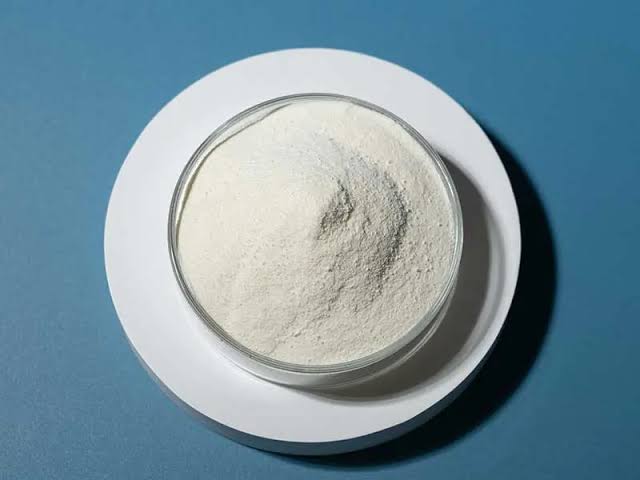
The Industrial Properties That Actually Matter
The most important mistake in methyl cellulose sourcing is treating viscosity as the only specification that matters.
Viscosity is certainly important. It influences thickening efficiency, flow behavior, and processing characteristics. But two products with similar nominal viscosity can still behave differently in a production environment.
Depending on your application, you may need to evaluate:
Viscosity
Viscosity is commonly measured using a specified concentration and test method. A reported viscosity number without its test conditions is incomplete information.
For example, a buyer should know:
- Concentration of the test solution
- Temperature
- Measurement method
- Instrument or relevant standard
- Shear conditions where applicable
- Tolerance around the nominal value
If your factory changes the test method between incoming inspection and supplier documentation, you may end up comparing numbers that appear identical but are not directly comparable.
Degree of Substitution
The degree of substitution influences how cellulose has been chemically modified and can affect solubility and performance. Methoxy content is often reported as a related specification.
The important procurement lesson is that substitution characteristics should be considered in relation to the intended application, not treated as an isolated number.
Molecular Weight
Molecular weight has a major relationship with viscosity and rheological behavior. Higher molecular weight grades can provide stronger thickening effects, but “higher” is not automatically “better.”
A high-viscosity grade can create mixing challenges, affect pumping, increase processing time, or produce a formulation that is difficult to handle.
In industrial chemistry, more is often not more. Sometimes it is simply more expensive.
Particle Size and Dissolution Behavior
Particle size distribution can influence dispersion and dissolution speed. If the material hydrates too quickly on contact with water, it may form lumps that are difficult to break apart. If it disperses too slowly, production cycles can become unnecessarily long.
This is especially important in high-throughput factories where a few extra minutes per batch can become many hours over the course of a year.
Moisture Content
Moisture can influence effective active-material content, storage stability, and batch-to-batch consistency. It may also affect the economics of buying material by weight.
A factory purchasing large volumes should therefore understand whether it is comparing suppliers on an equal dry-basis or as-received basis.
Thermal Gelation
One of methyl cellulose’s distinctive properties is its thermal gelation behavior. Unlike many conventional polymers that simply become less viscous as temperature rises, methyl cellulose solutions can undergo reversible gelation when heated under appropriate conditions. The exact behavior depends on grade and formulation.
This property can be valuable in specialized food, pharmaceutical, and industrial applications. It also means that processing temperature should be treated as a controlled variable rather than an afterthought.
Where Methyl Cellulose Is Used in Manufacturing
The versatility of methyl cellulose comes from its ability to perform several functions within a formulation. Depending on the grade and application, it can act as a:
- Thickener
- Binder
- Film former
- Stabilizer
- Protective colloid
- Rheology modifier
- Water-soluble polymer
- Processing aid
Cellulose ethers as a broader material family are used across construction, coatings, pharmaceuticals, food, personal care, adhesives, textiles, and other industrial sectors.
Pharmaceutical Manufacturing
In pharmaceutical applications, methyl cellulose may be used as a binder, coating material, or component of controlled-release matrices. Pharmaceutical use requires significantly greater attention to documentation, purity, traceability, and regulatory suitability than many general industrial applications.
If your factory produces pharmaceutical products, the correct purchasing process should include verification of:
- Applicable pharmacopeial compliance
- Certificate of analysis
- Batch traceability
- Manufacturing site information
- Change-control procedures
- Residual solvent information where relevant
- Microbiological specifications where relevant
- Regulatory documentation
The important point is that “pharmaceutical grade” should never be accepted as a vague marketing phrase. Your quality department should define exactly what documentation and standards your finished product requires.
Cellulose ethers have a well-established role in pharmaceutical science, including applications related to binding, film formation, and drug release.
Food Manufacturing
Methyl cellulose is also used as a food additive, commonly identified as E461 in European food-additive nomenclature. Its functional behavior can make it useful as a thickener, stabilizer, emulsification aid, or textural modifier.
Its thermal gelation is particularly distinctive in food applications. Under appropriate conditions, methyl cellulose can form a heat-induced gel and subsequently return toward its original state as the system cools.
For food manufacturers, however, functionality must be evaluated alongside regulatory compliance. The appropriate grade depends on the destination market and intended food application.
Construction Materials
Cellulose ethers are widely used in construction formulations because they can influence water retention, workability, thickening, adhesion, and rheology.
That said, construction companies should be careful when they use the term “methyl cellulose” loosely. Many modern dry-mix construction products rely heavily on modified cellulose ethers such as hydroxypropyl methyl cellulose or hydroxyethyl methyl cellulose rather than pure methyl cellulose.
For tile adhesives, cementitious mortars, gypsum products, renders, and related materials, the exact polymer chemistry matters. A product that works beautifully in one formulation may perform poorly in another.
This is why a technical discussion with the supplier should begin with your formulation and target performance rather than the assumption that one grade is universally suitable.
Adhesives, Coatings, and Industrial Formulations
Methyl cellulose can provide useful thickening and film-forming behavior in selected adhesive and coating systems. Its water compatibility and rheological characteristics can help formulators control application properties.
For industrial buyers, the practical question is whether the material contributes to the performance target at the lowest effective dosage.
A cheaper material used at 1.5 times the dosage is not cheaper.
Textile and Specialty Applications
Cellulose ethers have also been used in textile processing and other specialty industrial applications, including as sizing or rheology-control materials.
These applications can be particularly sensitive to processing conditions. The interaction between polymer grade, water quality, temperature, mixing sequence, and other formulation ingredients may determine whether the material behaves predictably.
The Biggest Sourcing Mistakes Factories Make
When buying Methyl Cellulose Bulk from TÜRKİYE, procurement errors are usually not caused by a lack of intelligence or effort. They happen because commercial purchasing and technical purchasing are sometimes treated as separate activities.
They should not be.
Mistake 1: Buying Only on Price per Kilogram
The lowest quoted price can be the most expensive option after the full production economics are considered.
Your real cost may include:
- Material price
- Freight
- Insurance
- Customs
- Warehousing
- Quality testing
- Production downtime
- Reformulation
- Higher dosage
- Rejected batches
- Customer complaints
A better metric is cost per unit of finished product at the required performance level.
That number tells a much more interesting story than the price on the purchase order.
Mistake 2: Comparing Different Grades as if They Were Identical
A 4,000 cP product from one supplier is not automatically equivalent to a 4,000 cP product from another.
Differences may arise from:
- Test methodology
- Molecular-weight distribution
- Substitution profile
- Particle size
- Dissolution behavior
- Purity
- Moisture
- Batch variation
Always compare technical data sheets line by line.
Mistake 3: Skipping the Factory Trial
Laboratory approval is important, but it is not the same as production approval.
A material can perform well in a 1-liter beaker and create problems in a 5,000-liter mixing system.
Before committing to a large contract, consider a controlled trial that evaluates:
- Dispersion
- Mixing time
- Dissolution
- Viscosity development
- Process temperature
- Pumpability
- Final product performance
- Batch-to-batch repeatability
Mistake 4: Treating One Successful Batch as Proof of Consistency
One good batch proves that the supplier can make one good batch.
It does not prove consistency.
For strategic raw materials, request multiple certificates of analysis from different production batches where possible. Look for variation around the specification rather than simply checking whether each result falls inside the specification.
A supplier whose results consistently sit near the center of the acceptable range may present less operational risk than one whose results repeatedly approach the specification limits.
Mistake 5: Ignoring Packaging and Storage
Methyl cellulose is a powder, and powders have logistics personalities of their own.
Packaging should protect against:
- Moisture
- Contamination
- Mechanical damage
- Excessive heat
- Poor warehouse conditions
Your factory should establish a clear storage procedure, including pallet configuration, humidity management, stock rotation, and protection from contamination.
A technically excellent raw material can become a warehouse problem if it is stored carelessly.
Mistake 6: Assuming “Multiple Brands” Means “Interchangeable Products”
A supplier such as MT Royal may offer access to multiple brands, which can be commercially useful. However, having multiple brands available does not mean you can switch between them without qualification.
The smart approach is to create an approved-equivalent matrix.
For each potential alternative, document:
- Original grade
- Alternative grade
- Viscosity
- Substitution characteristics
- Particle size
- Application
- Recommended dosage
- Trial results
- Approval status
This turns supplier flexibility into a real business advantage rather than a catalog of theoretical options.
How to Evaluate Methyl Cellulose Bulk Suppliers
A serious factory should evaluate suppliers across four dimensions: technical, commercial, logistical, and organizational.
Technical Evaluation
Ask for:
- Technical data sheet
- Safety data sheet
- Certificate of analysis
- Product specification
- Test methods
- Batch traceability
- Recommended applications
- Shelf-life information
- Storage requirements
Commercial Evaluation
Compare:
- Price per kilogram
- Minimum order quantity
- Payment terms
- Price validity
- Volume discounts
- Contract flexibility
- Availability of multiple brands
MT Royal can be relevant in this part of the evaluation when your purchasing strategy benefits from comparing different brands and price points through one sourcing relationship.
Logistics Evaluation
Consider:
- Standard lead time
- Emergency lead time
- Available stock
- Shipping route
- Packaging format
- Palletization
- Export documentation
- Customs support
A supplier that saves $0.10 per kilogram but causes your factory to stop for three days has not saved you money.
Organizational Evaluation
The best suppliers communicate clearly when something changes.
Ask how the supplier handles:
- Product changes
- Manufacturing-site changes
- Specification changes
- Packaging changes
- Delayed shipments
- Quality complaints
- Non-conforming batches
A supplier’s behavior during a problem often tells you more than its behavior during a sales meeting.
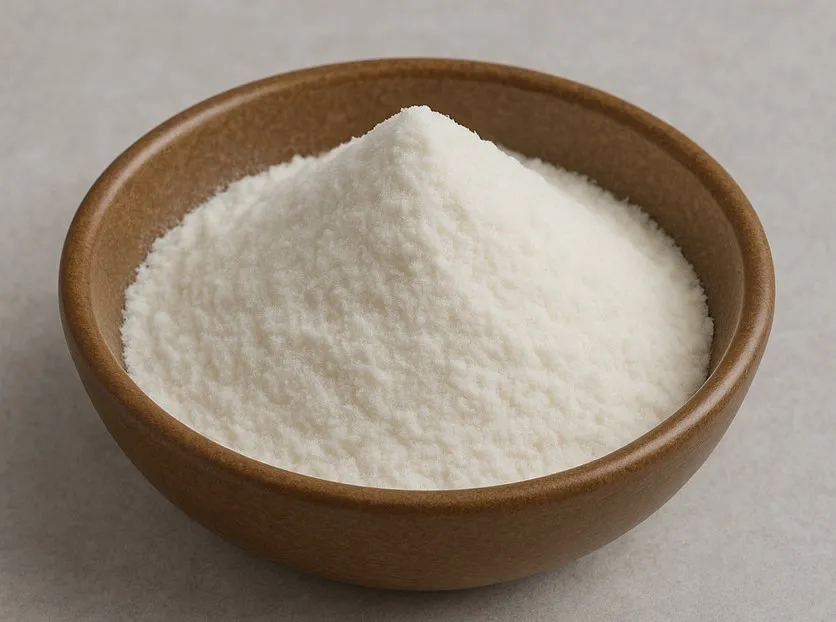
How to Reduce Total Cost Without Sacrificing Quality
Cost reduction in raw-material procurement should begin with formulation efficiency.
If a particular grade allows you to reduce dosage while maintaining performance, the economics may be favorable even if its purchase price is higher.
Suppose Grade A costs $4.00 per kilogram and is used at 0.8% of the formulation. Grade B costs $3.50 per kilogram but requires 1.1% to achieve the same performance.
The calculation is straightforward:
- Grade A contribution: $4.00 × 0.008 = $0.032 per kilogram of finished formulation
- Grade B contribution: $3.50 × 0.011 = $0.0385 per kilogram of finished formulation
The “cheaper” raw material is actually more expensive in the finished formulation.
This is why procurement should work with R&D and production rather than operating as an isolated price-negotiation function.
Other cost-saving strategies include:
- Consolidating orders where storage capacity allows
- Negotiating annual volume agreements
- Qualifying a secondary brand
- Reducing unnecessary safety stock
- Improving incoming inspection efficiency
- Standardizing approved grades
- Reviewing dosage optimization
- Comparing landed cost rather than invoice price
We have seen that the strongest procurement programs treat raw materials as part of the production system rather than as interchangeable commodities.
Specialized Tips for Large-Scale Production
If your factory consumes methyl cellulose by the ton, small process improvements can have surprisingly large financial effects.
Control the Addition Sequence
The order in which powder enters the system can affect dispersion and lump formation.
Your standard operating procedure should define:
- Water temperature
- Agitation speed
- Addition rate
- Addition point
- Hydration time
- Mixing duration
Do not rely on operator memory for critical parameters.
Monitor Water Quality
Water hardness, temperature, and ionic content can influence formulation behavior in some systems.
If your supplier qualification trial uses laboratory water while production uses variable process water, you may be comparing two different chemical environments.
Measure Performance at the Point of Use
Incoming raw-material testing should not stop at checking the supplier’s certificate.
For critical materials, consider monitoring a functional parameter that directly correlates with your final product performance.
The best quality-control system connects:
Raw material specification → Process behavior → Finished product performance
That chain is far more meaningful than checking isolated numbers.
Maintain a Retained Sample Library
For every critical batch, maintain a retained sample under appropriate storage conditions.
If a finished product complaint occurs six months later, retained raw-material samples can help determine whether the issue originated in:
- Raw-material variation
- Formulation change
- Process deviation
- Storage conditions
- Packaging
Without retained samples, the investigation becomes a detective story with half the clues missing.
Use Statistical Process Control Where Volume Justifies It
For large-scale operations, monitor trends rather than only pass/fail results.
Track:
- Viscosity
- Moisture
- Bulk density
- Dissolution time
- Dosage
- Final-product performance
A slow drift can be more important than a single outlier.
Emerging Trends in Cellulose Ether Sourcing
The global cellulose ether and derivatives market is expected to continue expanding. A 2026 MarketsandMarkets assessment estimates the global market at about $11.85 billion in 2026 and projects it to reach approximately $16.47 billion by 2031, representing a 6.8% CAGR. The report identifies growth across applications including pharmaceuticals, personal care, coatings, food, and construction.
For manufacturers, the most important trend is not simply market size. It is the increasing sophistication of demand.
Buyers are becoming more interested in:
- Application-specific grades
- Consistent rheological performance
- Regulatory documentation
- Supply-chain resilience
- Alternative sourcing
- Sustainability information
- Lower-carbon logistics
- Better technical support
The market is also becoming more segmented. Rather than purchasing “a cellulose ether,” manufacturers increasingly need a material designed around a specific performance target.
This creates an opportunity for suppliers and distributors that can bridge the gap between procurement and technical formulation.
For buyers considering Methyl Cellulose Bulk from TÜRKİYE, this means the most valuable supplier may not necessarily be the manufacturer with the largest catalog. It may be the partner who can help identify the right grade, compare brands objectively, coordinate documentation, and maintain supply continuity.
Why Multi-Brand Sourcing Can Be Valuable
There is a natural tension in industrial procurement.
On one side, standardization reduces complexity. On the other, relying on one brand creates concentration risk.
A multi-brand sourcing strategy can offer a middle path.
Your factory can maintain:
- One primary approved grade
- One technically validated alternative
- One emergency sourcing option
The objective is not to switch suppliers every month. That would create unnecessary chaos.
The objective is to have options before you need them.
MT Royal’s potential value in this model is its ability to connect buyers with multiple brands at competitive prices. For procurement teams, that can create a useful framework for benchmarking and contingency planning, provided every alternative is technically qualified before commercial substitution.
A good sourcing relationship should make your supply chain boring.
That is a compliment.
When the material arrives on time, passes inspection, performs consistently, and costs what you expected, nobody has to hold an emergency meeting about it.
Frequently Asked Questions About Methyl Cellulose Bulk from TÜRKİYE
Is Methyl Cellulose Bulk from TÜRKİYE suitable for international factories?
It can be, provided the selected grade meets the technical, regulatory, and documentation requirements of the destination market. Turkey’s geographic position can be advantageous for regional trade, but suitability should always be assessed based on the specific product and application.
Is methyl cellulose the same as HPMC?
No. Methyl cellulose and hydroxypropyl methyl cellulose are different cellulose ethers with different substitution profiles and performance characteristics. They should not be assumed to be interchangeable without technical testing.
What is the most important specification when buying methyl cellulose?
There is no single specification that is universally most important. Viscosity, substitution characteristics, molecular weight, particle size, moisture, purity, dissolution behavior, and thermal gelation can all matter depending on the application.
How should I compare two suppliers?
Start with technical equivalence, then compare landed cost and supply reliability. A practical evaluation should include product specifications, test methods, certificates of analysis, trial performance, lead times, minimum order quantities, packaging, and complaint handling.
Can I change brands without changing my formulation?
Sometimes, but never assume it. Even products with similar nominal viscosity can behave differently in production. Conduct comparative testing and document the results before approving a substitute.
Is a lower-cost grade always more economical?
No. The correct comparison is cost per unit of finished product at the required performance level. A more expensive grade may be economically superior if it provides better efficiency at a lower dosage.
What should I request before placing a bulk order?
At minimum, request the technical data sheet, safety data sheet, certificate of analysis, specification, packaging details, shelf-life information, lead time, and commercial terms. For regulated applications, request all relevant compliance documentation.
How important is the supplier’s location?
Location matters for logistics, lead time, freight, and supply-chain resilience, but it is only one part of supplier qualification. A nearby supplier with inconsistent quality is still a poor choice.
Does MT Royal offer multiple brands?
MT Royal can be considered by buyers seeking access to multiple brands and competitive commercial options. The critical point is to evaluate each proposed brand or grade against your factory’s technical requirements rather than selecting purely on price.
What is the best way to avoid supply interruptions?
Maintain accurate demand forecasts, define safety-stock levels, qualify at least one technically acceptable alternative where practical, and establish clear communication with your supplier about production schedules and expected demand changes.
A Smarter Way to Buy Methyl Cellulose
The industrial buyer’s job is changing.
The old purchasing model was straightforward: request a quotation, compare prices, issue a purchase order, and wait for delivery.
That model is increasingly inadequate for specialty raw materials.
Modern procurement must understand technical equivalence, production risk, regulatory requirements, logistics, and total cost. It must also anticipate disruptions before they become emergencies.
This is particularly important for Methyl Cellulose Bulk from TÜRKİYE, where the potential advantages of regional sourcing become meaningful only when supported by disciplined supplier qualification.
The strongest approach is to create a repeatable sourcing process:
- Define the technical requirement.
- Identify suitable grades.
- Compare multiple brands where practical.
- Test candidates in the real formulation.
- Validate at production scale.
- Compare landed cost.
- Qualify a backup source.
- Monitor batch consistency.
- Review supplier performance regularly.
That process may take more effort at the beginning, but it reduces the likelihood of expensive surprises later.
For a factory manager, that is the real value of professional sourcing. It is not about finding a supplier who promises everything. It is about building a supply chain that continues to work when demand rises, shipping schedules change, or your production team suddenly needs twice as much material as expected.
The most successful manufacturers do not ask only, “Who sells methyl cellulose?”
They ask better questions:
Which grade is technically right for our process?
Which supplier can provide it consistently?
Which sourcing route protects our production schedule?
Which commercial structure gives us competitive total cost?
And what happens if our first-choice source becomes unavailable?
Those questions lead to better purchasing decisions.
For companies evaluating Methyl Cellulose Bulk from TÜRKİYE, MT Royal can be part of that evaluation as a sourcing partner with access to multiple brands and competitive pricing. The right choice, however, should always emerge from a combination of technical fit, verified quality, reliable logistics, and transparent commercial terms.
A raw material becomes strategically valuable when it disappears into the background of your operation: the batches run smoothly, the formulation behaves predictably, the warehouse stays organized, and procurement is not forced to fight the same fire every quarter.
That is the standard worth pursuing. Not simply buying methyl cellulose in bulk, but building a supply chain strong enough that your factory can focus on what it does best: producing consistently, scaling confidently, and delivering products your customers can trust.




No comment