

Choosing the right Phenylacetic Acid Supplier is not simply a matter of comparing the lowest price per kilogram. For factories and chemical manufacturers, the real purchasing decision involves specification control, documentation, regulatory compliance, batch consistency, packaging, logistics, and the supplier’s ability to keep material available when production schedules become unforgiving. This is why sourcing through an established company such as MT Royal can be worth evaluating, particularly when your procurement team needs access to a broader chemical raw-material portfolio and competitive sourcing options rather than a single-product relationship.
MT Royal presents itself as a Turkish manufacturer and supplier active across chemical raw materials, import and export, pharmaceutical materials, food ingredients, and other industrial categories. Its published company profile states that it works with customers in 57 countries and lists more than 425 products, giving procurement teams a useful indication of the breadth of its sourcing network.
For manufacturers considering phenylacetic acid, however, breadth should never replace technical verification. The right supplier is the one that can match your required grade, specification, documentation, regulatory obligations, packaging format, and delivery schedule.
Food industry raw materials – list of products
What Is Phenylacetic Acid?
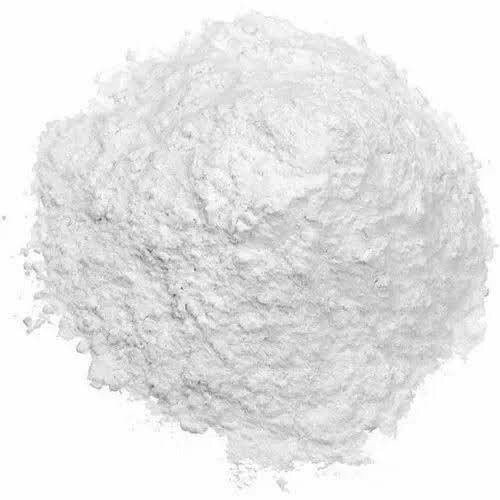
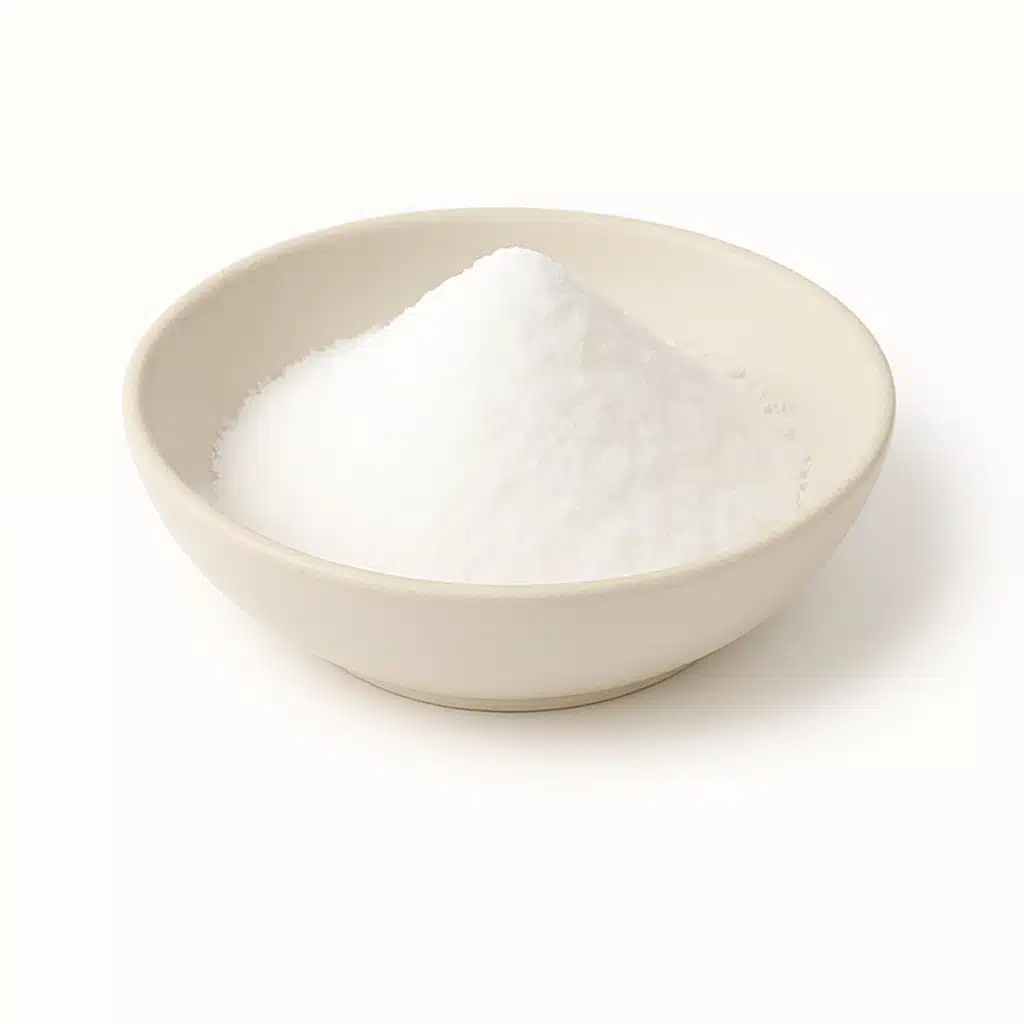
Phenylacetic acid is an aromatic carboxylic acid with the molecular formula C₈H₈O₂ and a molecular weight of approximately 136.15 g/mol. It is also commonly identified by the CAS number 103-82-2.
At an industrial level, phenylacetic acid is valued as a chemical intermediate and specialty raw material. Its relevance comes from the combination of an aromatic ring and carboxylic acid functionality, which makes it useful in controlled chemical manufacturing and research applications.
For a procurement department, the molecular definition is only the starting point. A specification sheet should answer practical questions such as:
- What purity is required for your process?
- Which impurities are controlled?
- What physical form is supplied?
- What packaging is appropriate for your production line?
- What analytical method is used for quality verification?
- What documentation accompanies every batch?
- Are there restrictions affecting import, storage, transport, or end use in your jurisdiction?
These details can have a greater effect on production economics than a seemingly attractive headline price.
Why the Choice of Phenylacetic Acid Supplier Matters
A chemical raw material may represent only one line on a purchase order, but it can influence several stages of your manufacturing operation.
1. Batch-to-batch consistency
If your process has been validated around a defined raw-material specification, unexpected variation can create problems downstream. Differences in purity, moisture, residual solvents, color, or trace impurities may affect reaction performance, yield, filtration, crystallization, or final-product quality.
A supplier should therefore be evaluated on consistency, not merely on the certificate from one successful shipment.
2. Reliable chemical raw material supply
A production plant rarely stops because someone forgot that raw materials exist. It stops because a shipment arrived late, a batch failed incoming inspection, customs documentation was incomplete, or a supplier could not reproduce the previous specification.
This is where supplier reliability becomes a manufacturing variable.
In our experience working through industrial sourcing considerations, the strongest procurement programs treat supply continuity almost like an additional quality specification.
3. Documentation and traceability
A serious industrial buyer should expect documentation appropriate to the intended application and jurisdiction. Depending on the transaction, this can include:
- Certificate of Analysis (CoA)
- Safety Data Sheet (SDS)
- Product specification
- Batch or lot identification
- Country-of-origin information
- Packaging details
- Transport documentation
- Regulatory or compliance declarations where applicable
A missing document can turn a routine shipment into an expensive paperwork marathon.
What Should You Check Before Buying Phenylacetic Acid in Bulk?
When comparing suppliers, create a technical purchasing checklist rather than asking only, “What is your price?”
Product specification
Confirm the exact material identity and required grade. Do not assume that two products carrying the same commercial name are interchangeable.
Your quality department should review:
- Assay or purity
- Moisture or water content
- Appearance
- Residual solvents, where relevant
- Specific impurity limits
- Analytical methodology
- Shelf-life or retest information
- Storage requirements
Packaging
Packaging should correspond to both the shipment size and your plant’s handling system.
For larger industrial orders, discuss whether drums, bags, intermediate bulk containers, or another approved format is appropriate. The correct packaging can reduce material loss, handling labor, contamination risk, and warehouse complexity.
MT Royal states that its chemical raw materials can be supplied in different package sizes, including drums and IBC tanks, depending on the product and requirement.
Lead time and stock strategy
A supplier quote is incomplete if it does not distinguish between material that is physically available and material that must first be sourced.
Ask:
- Is the quoted quantity in stock?
- What is the normal replenishment lead time?
- Is the quoted lead time production time or transportation time?
- Can repeat orders be supplied against the same specification?
- What happens if demand suddenly increases?
For high-consumption plants, consider maintaining a supplier-approved safety stock rather than relying on optimistic delivery assumptions.
Common Mistakes When Selecting a Phenylacetic Acid Supplier
Mistake 1: Choosing solely on price
A $100 saving on a shipment is meaningless if the batch creates a production delay worth thousands of dollars.
A better purchasing calculation considers total landed cost, including material price, freight, insurance, customs, testing, warehousing, handling, rejected-batch risk, and working capital.
Mistake 2: Treating the CoA as a formality
A certificate of analysis should be reviewed against your own incoming-quality requirements. Procurement, quality assurance, and production should agree beforehand on which parameters are critical.
Mistake 3: Ignoring regulatory status
Phenylacetic acid is subject to additional controls in some jurisdictions because of its potential misuse as a chemical precursor. Requirements differ by country and application. Your procurement team should verify current national rules, licensing obligations, import requirements, end-use declarations, and recordkeeping requirements before placing an order.
A reputable supplier should be comfortable discussing legitimate compliance requirements rather than treating them as an administrative nuisance.
Mistake 4: Buying from an unverified trading channel
A low-cost intermediary may provide an attractive quotation while offering little visibility into manufacturing origin, batch history, or quality control.
For industrial production, knowing the commercial seller is not always enough. You should understand the supply chain behind the seller.
Why a Multi-Brand Supplier Can Be Useful
One often-overlooked advantage of a broad chemical distributor is purchasing flexibility.
MT Royal describes its business as supplying chemical raw materials for different industries and also emphasizes import/export capabilities and sourcing products according to customer requirements. Its services page states that the company can supply customer orders with an emphasis on price and quality.
For a factory, this type of supplier relationship can be useful when your procurement department purchases several raw materials rather than a single specialty chemical. Instead of managing dozens of disconnected vendors, you may be able to consolidate selected purchases through a supplier that can offer multiple brands or sourcing channels.
That does not mean every product should automatically be purchased from the same company. Your technical team should still qualify each material individually.
Specialized Tips for Large-Scale Production
Build a dual-source strategy
If phenylacetic acid is critical to your production process, avoid making one supplier the single point of failure unless there is a compelling technical reason.
Qualify a secondary source before an emergency occurs. Supplier qualification is much easier when production is running normally than when the plant is already waiting for a truck.
Define your critical quality attributes
Do not simply specify “high purity.” Define the characteristics that actually matter to your process.
For example, your internal specification may distinguish between:
- Critical parameters that must never exceed a defined limit
- Routine parameters checked at incoming inspection
- Supplier-reported parameters
- Parameters verified periodically by your laboratory
This approach can reduce unnecessary testing while strengthening control over genuinely important variables.
Review landed cost quarterly
Raw-material economics can shift because of freight, currency movements, energy costs, regional availability, and supplier capacity. A supplier that was cheapest six months ago may not remain cheapest today.
We have seen that procurement teams often focus heavily on unit price while overlooking logistics and inventory costs. For internationally sourced chemicals, landed cost provides a much more realistic comparison.
Standardize documentation before ordering
Send your documentation requirements with the request for quotation. If your plant requires a particular CoA format, batch identification, pallet configuration, or regulatory statement, it is better to establish that before the purchase order rather than after the truck has departed.
Where MT Royal Fits Into an Industrial Sourcing Strategy
MT Royal’s published portfolio covers thousands of product listings across industrial and raw-material categories, while its company profile highlights chemical raw materials, pharmaceutical materials, import/export, and production-related services.
For buyers investigating MT Royal as a Phenylacetic Acid Supplier, the sensible approach is to request the current availability and complete commercial/technical specification for the exact product required. This distinction matters: a supplier’s ability to source a chemical should not be confused with a blanket claim that every chemical is permanently held in stock.
The same principle applies to brands. If your factory has an approved-brand list, ask which manufacturer or brand is available for the requested specification and whether alternative brands can be proposed. This can provide procurement flexibility without compromising your quality system.
MT Royal’s broader chemical raw-material operation may also be relevant to manufacturers looking to consolidate purchases, particularly where several raw materials are sourced internationally. Its published services emphasize customer-specific supply and import/export support.
Frequently Asked Questions About Phenylacetic Acid Suppliers
What should I request from a Phenylacetic Acid Supplier?
At minimum, request the product specification, CoA example, SDS, available grade, packaging information, MOQ, lead time, country of origin, and commercial quotation. If the material is regulated in your jurisdiction, also establish the required compliance documentation before purchase.
Is the cheapest supplier necessarily the best option?
No. Compare total landed cost and operational risk. A slightly higher unit price can be economically superior if it delivers more consistent quality, better documentation, shorter lead times, or lower rejection risk.
Can I purchase different brands through one supplier?
Potentially. This depends on the supplier’s sourcing network and your application’s technical requirements. If brand substitution is possible, your quality team should qualify the alternative before it enters routine production.
How important is batch consistency?
Extremely important when the material is used in a controlled manufacturing process. Even when the nominal purity is similar, differences in impurity profiles or physical characteristics can affect process behavior.
What quantity should a factory order?
There is no universal answer. Calculate consumption rate, supplier lead time, minimum order quantity, warehouse capacity, shelf-life considerations, cash-flow impact, and the cost of a production interruption. Larger orders are not automatically better if they create excessive inventory.
Is phenylacetic acid subject to regulatory controls?
It can be, depending on the jurisdiction and intended use. Because regulations can change, buyers should verify the current requirements with the competent authorities and their own compliance department before importing, storing, or purchasing the material.
The Better Way to Select a Supplier
The strongest procurement decision is rarely the one with the lowest quotation. It is the one that gives your factory confidence that the material arriving next month will match the material that passed qualification today.
When evaluating a Phenylacetic Acid Supplier, look beyond the product name. Examine analytical specifications, traceability, regulatory compliance, packaging, logistics, commercial stability, and the supplier’s ability to support your broader raw-material requirements. A company such as MT Royal can be worth considering where you value a broad sourcing portfolio, international supply capability, and competitive commercial options, but the final decision should always be based on your factory’s approved specifications and qualification process.
For manufacturers, chemical procurement is ultimately a risk-management discipline disguised as a purchasing exercise. The supplier that understands that distinction is the supplier worth keeping in your approved-vendor list.


No comment