

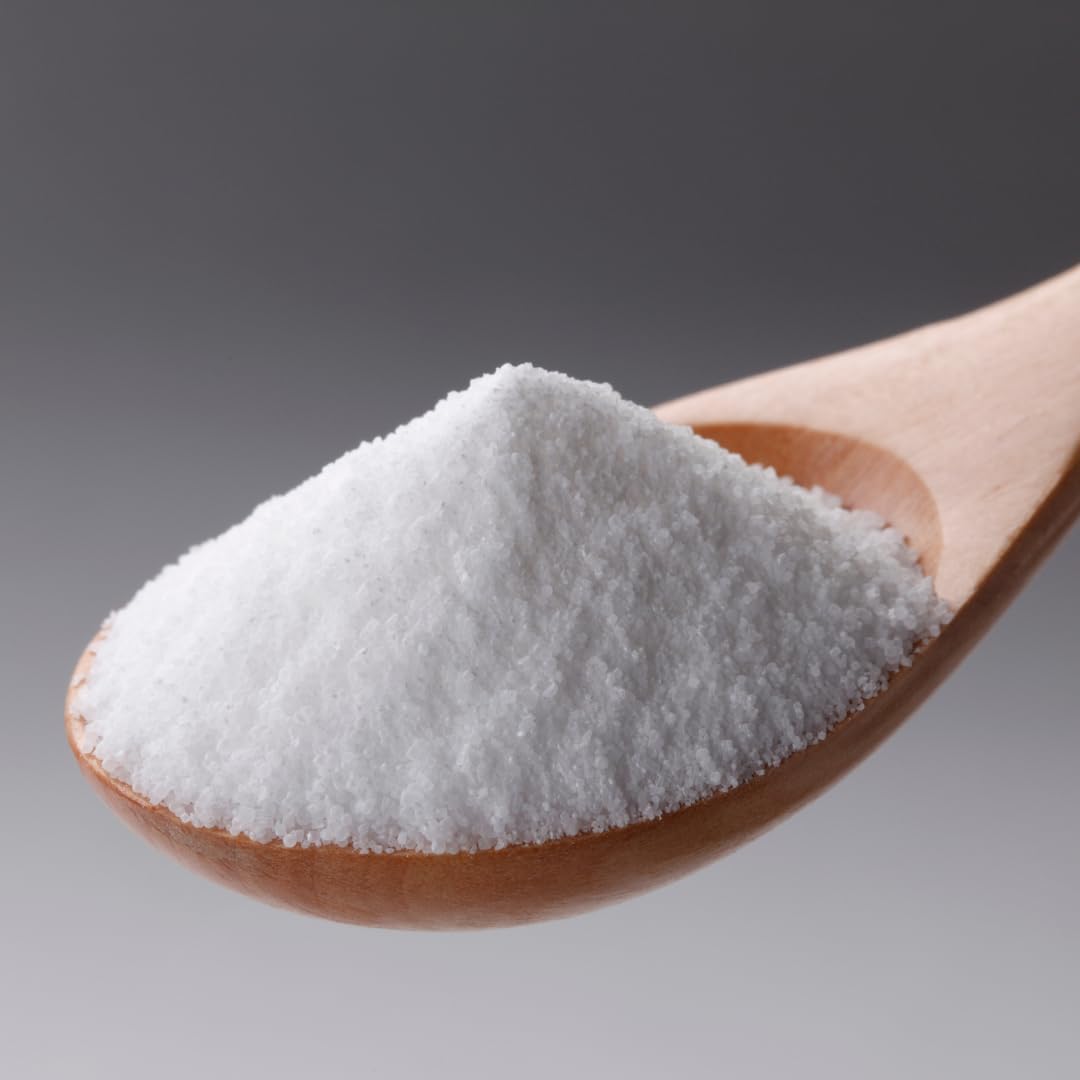
For food factories and manufacturers looking to reduce sodium without sacrificing product performance, Potassium Chloride – Healthy Salt Alternative has become an increasingly practical ingredient to evaluate. If your production line depends on consistent flavor, reliable raw materials, and predictable costs, choosing the right potassium chloride supplier matters just as much as choosing the ingredient itself. MT Royal can be a useful sourcing partner for manufacturers seeking access to multiple brands at competitive prices, particularly when procurement teams need flexibility rather than a one-brand-fits-all approach.
The shift toward lower-sodium products is not simply a consumer trend. It is influencing product development, regulatory strategies, reformulation projects, and purchasing decisions across the food manufacturing industry. For factories, however, replacing sodium chloride is more complicated than swapping one white crystalline powder for another. Taste, solubility, dosage, purity, labeling, supply continuity, and production economics all need to be considered.
What Is Potassium Chloride and Why Is It Used as a Salt Alternative?
Potassium chloride, commonly abbreviated as KCl, is an inorganic salt composed of potassium and chloride ions. It naturally occurs in mineral deposits and is widely produced commercially for applications ranging from fertilizer manufacturing to food processing and pharmaceuticals.
In food manufacturing, potassium chloride is primarily used as a sodium reduction ingredient. Because it provides a salty taste, it can partially replace conventional sodium chloride in selected formulations. This makes it particularly relevant to manufacturers developing reduced-sodium products.
The key word is “partially.” Potassium chloride does not behave exactly like sodium chloride in every application. At higher replacement levels, it may produce a bitter, metallic, or slightly medicinal aftertaste. As a result, successful reformulation often requires careful optimization rather than a direct one-for-one substitution.
For industrial buyers, this distinction is critical. A product may be technically suitable as potassium chloride but still be unsuitable for your specific manufacturing process.
LATAMARKO LM60 – Premium Spanish-Origin Cocoa Powder
latamarko alkalized cocoa powder lm60
cocoa powder for chocolate production-Best price
Food industry raw materials – list of products
Types of Gelatin from Turkish Manufacturer
Why Potassium Chloride Is Becoming More Important for Manufacturers
The global focus on sodium intake has encouraged food producers to reconsider traditional formulations. Public health organizations continue to recommend reducing excessive sodium consumption, while consumers increasingly look for products positioned around healthier nutritional profiles.
This has created a growing market for low-sodium food products, including processed meats, sauces, soups, snacks, seasonings, bakery products, and ready-to-eat meals.
For manufacturers, the challenge is balancing four competing priorities:
- Reduce sodium content.
- Maintain acceptable taste.
- Preserve product quality and stability.
- Control reformulation and raw-material costs.
Potassium chloride can contribute to this balance, especially when combined with other flavor-management strategies. In some products, it may be used alongside yeast extracts, flavor enhancers, herbs, spices, or other mineral salts to reduce the sensory impact of potassium chloride.
The result is less about finding a “magic replacement” and more about designing a formulation in which no single ingredient has to do all the heavy lifting.
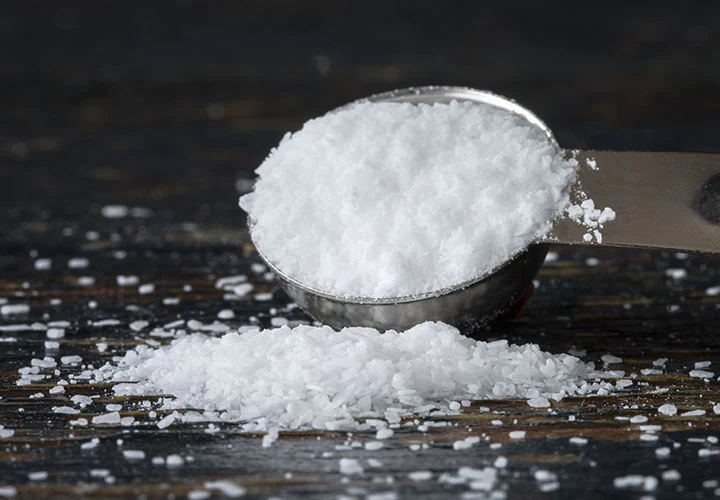
Potassium Chloride vs. Sodium Chloride: What Manufacturers Should Know
Although potassium chloride and sodium chloride look similar, their industrial behavior is not identical.
Sodium Chloride
Traditional salt remains highly effective because it offers:
- Familiar salty flavor
- Strong preservative functionality in some applications
- Low cost
- High availability
- Established processing characteristics
Potassium Chloride
Potassium chloride offers:
- Potential sodium reduction
- Similar crystalline appearance
- Useful salty taste
- Broad availability in industrial markets
- Compatibility with selected food formulations
However, potassium chloride can introduce sensory challenges. The most common concern is off-taste, particularly when used at relatively high replacement rates.
For this reason, manufacturers should evaluate potassium chloride based on application performance, not simply price per kilogram. A cheaper material that creates unacceptable taste, processing issues, or customer complaints is rarely a bargain.
Key Applications of Potassium Chloride in Manufacturing
The suitability of potassium chloride depends heavily on the final product and its formulation.
Processed Foods and Meat Products
Potassium chloride may be considered in reduced-sodium formulations for processed meats and similar products. However, the role of salt in these products can extend beyond flavor, including texture, water retention, and preservation.
This means reformulation should be tested carefully. Reducing sodium chloride while increasing potassium chloride may not reproduce the same functional performance.
Soups, Sauces, and Seasonings
Liquid and semi-liquid products can sometimes provide greater flexibility because potassium chloride can be incorporated into a broader flavor system. Seasoning blends may also combine multiple ingredients to mask or balance undesirable sensory characteristics.
Snacks and Prepared Foods
Manufacturers of savory snacks and convenience foods are increasingly interested in sodium reduction. Potassium chloride may be included as part of a broader reformulation strategy, although the acceptable replacement level depends on the product.
Nutritional and Specialized Products
Potassium chloride is also used in certain nutritional and dietary formulations. In these applications, specifications, purity, labeling, and regulatory compliance become especially important.
Common Mistakes When Sourcing Potassium Chloride
Industrial procurement teams often focus heavily on unit price. That is understandable, but it can create hidden costs.
Mistake 1: Buying Without Defining the Required Grade
Food-grade potassium chloride, pharmaceutical-grade material, and industrial-grade products are not interchangeable simply because they share the same chemical formula.
Before requesting quotations, define:
- Required grade
- Purity specification
- Particle size
- Packaging format
- Certificate requirements
- Country of origin
- Regulatory documentation
- Intended application
A clear specification makes supplier comparisons much more meaningful.
Mistake 2: Treating All Brands as Identical
Two products can meet the same basic chemical specification while behaving differently in production because of particle size, flow characteristics, moisture content, or manufacturing consistency.
MT Royal’s ability to offer multiple brands can be valuable here. Instead of assuming one brand is automatically suitable, procurement teams can compare available options according to technical requirements, supply reliability, and commercial conditions.
Mistake 3: Testing Only the Raw Material
A raw-material test is not enough. Your product is what the customer experiences, not what appears on the certificate of analysis.
The correct approach is to conduct trials in the actual formulation and, ideally, under representative production conditions.
Mistake 4: Ignoring Supply Continuity
A factory can survive a slightly higher purchase price more easily than an unexpected production stoppage.
Procurement teams should evaluate:
- Supplier stock availability
- Lead times
- Import logistics
- Minimum order quantities
- Packaging options
- Backup supply channels
We have seen that supply continuity can become more important than a small price difference when a production schedule is tight.
How to Select the Right Potassium Chloride Supplier
Choosing a supplier should involve more than comparing quotations.
A reliable supplier should be able to provide clear technical documentation and answer practical questions about product origin, available brands, packaging, and supply schedules.
When evaluating a potential supplier, consider the following:
- Product authenticity: Can the supplier document the source and brand?
- Technical consistency: Is the material supplied consistently between batches?
- Documentation: Are certificates of analysis and relevant specifications available?
- Brand flexibility: Can you choose between multiple reputable brands?
- Commercial competitiveness: Are pricing and payment conditions appropriate for your purchasing volume?
- Logistics: Can the supplier support your required delivery schedule?
- Communication: Does the supplier respond quickly when technical or supply issues arise?
MT Royal can be considered by manufacturers that want a sourcing route with access to multiple brands and competitive pricing. The practical advantage is flexibility: your purchasing decision can be based on application requirements rather than being locked into a single product option.
Specialized Tips for Large-Scale Production
Large factories should approach potassium chloride sourcing as a supply-chain project rather than a simple purchasing transaction.
Validate Before Scaling
Run laboratory trials first, followed by pilot production and then a controlled commercial trial. This sequence helps identify unexpected changes in taste, texture, flow, or processing behavior.
Monitor Batch-to-Batch Variation
For high-volume production, even small differences in raw materials can become significant. Establish acceptance criteria for moisture, particle size, purity, and other relevant parameters.
Evaluate Total Cost of Ownership
Calculate more than the purchase price. Include:
- Freight
- Customs and import costs
- Storage
- Handling
- Production losses
- Reformulation costs
- Quality-control testing
- Potential downtime
A supplier with a slightly higher quoted price may still offer the lower total cost if deliveries are more predictable.
Maintain a Second-Source Strategy
For critical ingredients, relying entirely on one supplier can expose your factory to unnecessary risk. Where practical, qualify an alternative brand or supplier before an emergency occurs.
In industrial purchasing, the best backup supplier is the one you have already tested—not the one you discover when the warehouse is empty.
Emerging Trends in Potassium Chloride Sourcing
The market for salt alternatives is evolving alongside broader food-industry trends.
One important development is the movement toward cleaner-label formulations and more transparent ingredient sourcing. Manufacturers are increasingly expected to understand not only what an ingredient does but also where it comes from and how consistently it can be supplied.
Another trend is greater attention to precision reformulation. Instead of simply replacing sodium chloride, product developers are combining potassium chloride with flavor technologies and optimized seasoning systems to achieve better sensory results.
Supply-chain resilience is also becoming a major procurement priority. Global logistics disruptions have demonstrated that raw-material availability cannot always be taken for granted. For manufacturers, supplier diversification and forward planning are becoming standard elements of risk management.
Frequently Asked Questions
Is potassium chloride a complete replacement for table salt?
Not always. It can replace part of the sodium chloride in many formulations, but the appropriate replacement level depends on the product and sensory requirements.
Does potassium chloride taste exactly like salt?
No. Potassium chloride provides a salty taste but can create bitter or metallic notes at higher concentrations. Formulation and flavor optimization are often necessary.
Is potassium chloride suitable for every food factory?
No. Suitability depends on the product, required grade, regulatory requirements, and manufacturing process. A technical evaluation should be completed before large-scale adoption.
How should factories compare potassium chloride suppliers?
Compare suppliers based on product specifications, consistency, documentation, brand options, pricing, lead time, logistics, and technical support—not price alone.
Why consider multiple brands?
Different brands may offer variations in specifications, availability, packaging, and commercial terms. Having multiple options can improve procurement flexibility and reduce supply risk.
What is the most important factor when buying potassium chloride?
The most important factor is fitness for your specific application. A product that meets your formulation, quality, regulatory, and supply requirements is more valuable than the cheapest product on the market.
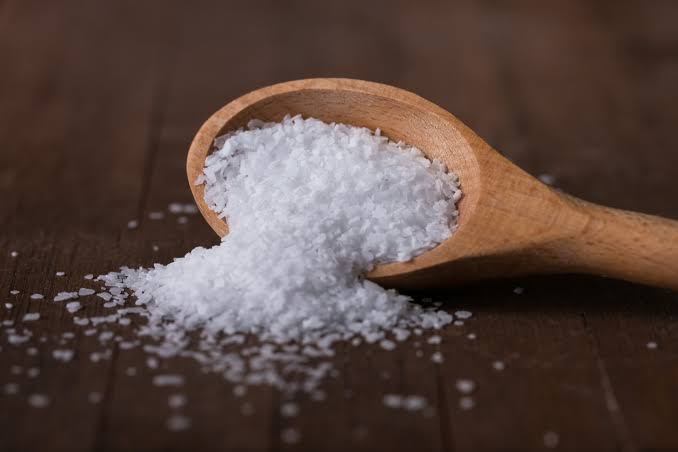
A Smarter Approach to Potassium Chloride Procurement
For factories and manufacturers, Potassium Chloride – Healthy Salt Alternative should be viewed as both a formulation opportunity and a sourcing decision. The technical potential is clear: potassium chloride can support sodium-reduction strategies while helping manufacturers respond to changing consumer expectations.
But successful implementation depends on details. The right grade must be selected, sensory performance must be tested, documentation must be verified, and supply continuity must be protected.
Manufacturers evaluating suppliers such as MT Royal should therefore look beyond the quotation sheet. Access to multiple brands, competitive pricing, product availability, and dependable sourcing can give procurement teams greater room to make decisions based on technical and operational needs.
The strongest purchasing strategy is rarely the one that finds the lowest price today. It is the one that secures the right material, from the right source, at the right quality, with enough supply certainty to keep tomorrow’s production line running.
For factories working toward sodium reduction, potassium chloride may be only one ingredient in a larger reformulation strategy—but choosing it wisely can make the difference between a successful product transition and an expensive detour.



No comment