

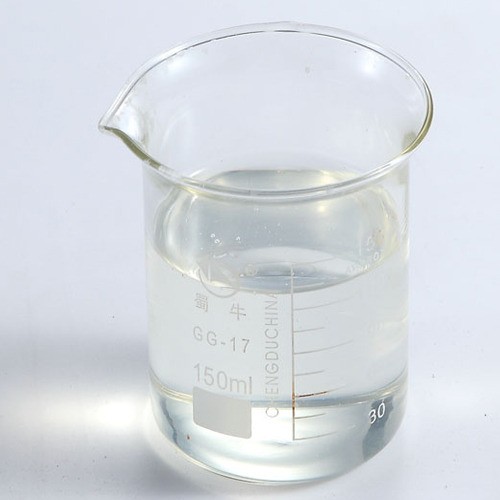
Choosing the right Propylene Glycol Food Grade Supplier is an important purchasing decision for food manufacturers, beverage producers, flavor houses, pharmaceutical companies, and other industrial formulators. For factories that require dependable quality and continuous supply, MT Royal is worth considering as a sourcing partner because it provides access to multiple brands and competitive purchasing options, helping buyers compare products according to quality, specifications, availability, and total cost rather than relying on price alone.
Propylene glycol is a versatile ingredient with applications across multiple industries. In food manufacturing, it may function as a solvent, humectant, carrier, or formulation aid. Its ability to interact with water and dissolve certain ingredients makes it particularly useful in products where manufacturers need controlled moisture, uniform ingredient distribution, or efficient incorporation of flavors and colors.
However, industrial procurement is rarely as simple as ordering a chemical by its common name.
The difference between a suitable food-grade product and an inappropriate grade can affect regulatory compliance, formulation performance, production efficiency, and customer confidence. For this reason, your factory should evaluate propylene glycol according to its intended application, quality specifications, documentation, and supply reliability.
What Is Food Grade Propylene Glycol?
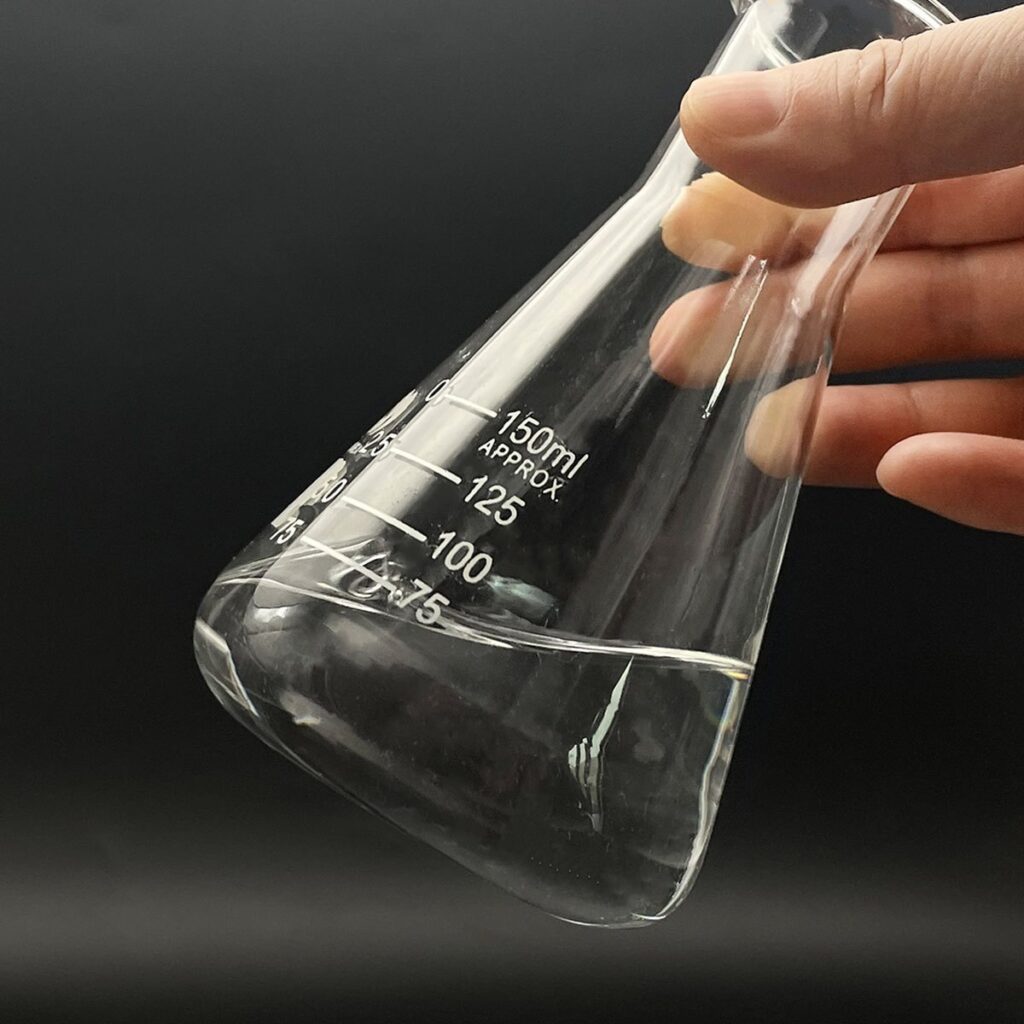
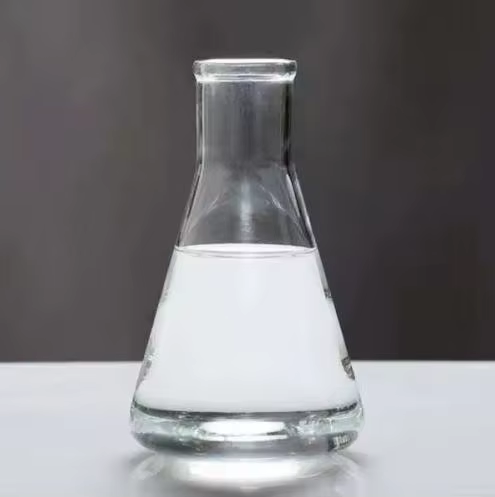
Propylene glycol, chemically known as 1,2-propanediol, is a clear, colorless, nearly odorless liquid with a range of useful physical and chemical properties.
In food applications, food grade propylene glycol is manufactured and controlled to meet applicable quality and safety requirements for its intended use.
It is commonly used for functions such as:
- Solvent
- Humectant
- Carrier
- Stabilization aid
- Moisture management
- Ingredient dispersion
Industrial applications can include:
- Food and beverage manufacturing
- Flavor and fragrance production
- Pharmaceutical formulations
- Personal care products
- Animal nutrition
- Industrial processing
For a manufacturer, the key point is that propylene glycol is often a functional ingredient rather than the main feature of the final product.
Its job is to help other ingredients perform correctly.
That can make it easy to overlook during purchasing. Yet when the ingredient is responsible for dissolving a flavor, maintaining moisture, or supporting a formulation, inconsistent quality can quickly become a production problem.
LATAMARKO LM60 – Premium Spanish-Origin Cocoa Powder
latamarko alkalized cocoa powder lm60
cocoa powder for chocolate production-Best price
Food industry raw materials – list of products
Why Food Grade Propylene Glycol Matters to Manufacturers
Industrial food production depends on repeatability.
Your customers expect the same product next month that they purchased today. That means raw materials must perform consistently across batches and production cycles.
Food-grade propylene glycol can contribute to several important formulation objectives.
As a Solvent
Propylene glycol can help dissolve or carry certain flavoring substances and other ingredients that may not disperse easily in water.
This makes it useful in flavor systems and concentrated formulations.
As a Humectant
Because propylene glycol has water-attracting properties, it can help manage moisture in selected food products.
The exact functionality depends on the formulation and permitted application.
As a Carrier
In some applications, propylene glycol acts as a carrier for flavors, colors, and other functional ingredients.
This can support more uniform distribution throughout the finished product.
As a Processing Aid
Depending on the formulation, propylene glycol may support processing efficiency by improving the handling or incorporation of specific ingredients.
The correct use level and application must always be determined according to the product formulation and relevant regulatory requirements.
Major Food Industry Applications
Flavor and Fragrance Systems
One of the most common industrial uses of propylene glycol for food industry applications is as a carrier or solvent in flavor systems.
Flavor manufacturers often work with concentrated compounds that need to be distributed evenly in a final product.
Propylene glycol can help create a more manageable liquid system, supporting consistent dosing and dispersion.
For manufacturers, this can improve:
- Ingredient uniformity
- Dosing accuracy
- Flavor distribution
- Process efficiency
Bakery Products
In selected bakery applications, propylene glycol may contribute to moisture management and ingredient functionality.
However, the exact role depends on the product category and formulation.
A commercial bakery should evaluate:
- Moisture targets
- Product shelf life
- Texture
- Ingredient interactions
- Regulatory requirements
Confectionery
Propylene glycol may be used in certain confectionery formulations where moisture management or ingredient dispersion is required.
The correct grade and dosage depend on the specific product.
Beverages
Propylene glycol may be used in selected beverage and flavor applications, particularly as a carrier for flavor compounds.
Because beverage formulations are often highly sensitive to clarity, taste, and viscosity, manufacturers should validate the ingredient in the complete formulation.
Food Color and Flavor Concentrates
Color and flavor systems often require efficient carriers to help distribute concentrated components.
In these applications, a reliable food grade propylene glycol supplier can be important because the carrier’s consistency may influence the final performance of the concentrate.
Key Specifications to Review Before Purchasing
A professional Propylene Glycol Food Grade Supplier should provide detailed technical documentation.
Your procurement and quality teams should review:
- Purity
- Appearance
- Water content
- Specific gravity
- Acidity or alkalinity
- Heavy metals where applicable
- Residual impurities
- Food-grade compliance
- Batch number
- Shelf life
- Storage requirements
The exact specification should be aligned with your intended application and regulatory market.
Purity
Purity is a fundamental consideration.
Food manufacturers should purchase material appropriate for food applications rather than selecting an industrial grade simply because it has a lower price.
Water Content
Water content can affect formulation concentration and product consistency.
For applications requiring precise dosing, variations in moisture can influence the effective amount of active material introduced into the process.
Appearance
Food-grade propylene glycol is typically expected to meet defined appearance requirements.
Changes in clarity or color may warrant investigation.
Documentation
A supplier should be able to provide appropriate documentation, such as:
- Certificate of Analysis
- Technical Data Sheet
- Safety Data Sheet
- Food-grade compliance information
- Batch traceability
- Regulatory documentation where applicable
For international buyers, documentation is especially important because regulatory requirements can vary by destination market.
Common Mistakes When Sourcing Propylene Glycol
Mistake 1: Choosing Industrial Grade for Food Applications
This is one of the most serious sourcing errors.
Industrial and food-grade products should not be treated as interchangeable.
Your purchasing team should clearly specify the required grade and verify the documentation before approval.
Mistake 2: Buying Only on Price
A low price may look attractive, but total cost should include:
- Required dosage
- Freight
- Storage
- Quality-control costs
- Potential production losses
- Supply interruptions
The cheapest drum is not always the cheapest production decision.
Mistake 3: Ignoring Supplier Documentation
If a supplier cannot provide clear technical information, your quality team may face difficulties during incoming inspection or regulatory audits.
Mistake 4: Failing to Check Batch Consistency
A product can meet specifications on paper and still show practical variation if manufacturing controls are inconsistent.
Where possible, evaluate multiple batches.
Mistake 5: Neglecting Storage
Propylene glycol should be stored according to the supplier’s recommendations and applicable facility requirements.
Poor storage management can create avoidable quality and handling problems.
Mistake 6: Treating Supply as an Afterthought
A factory may approve an ingredient after extensive testing and then discover that the supplier cannot maintain regular delivery.
Technical approval and supply-chain approval should happen together.
How to Choose the Right Propylene Glycol Supplier
A reliable food additive supplier should demonstrate both technical competence and commercial reliability.
Before approving a supplier, consider:
- Product quality
- Food-grade compliance
- Batch consistency
- Documentation
- Packaging
- Storage requirements
- Minimum order quantity
- Lead time
- Supply capacity
- Logistics capability
- Technical support
- Commercial terms
MT Royal can be considered by industrial buyers who want access to multiple brands and competitive sourcing options. This can be useful for procurement teams that want flexibility when comparing manufacturers and evaluating availability.
For large-volume users, access to alternative brands can also reduce dependence on a single source.
Practical Comparison for Industrial Buyers
| Evaluation Factor | What to Check |
|---|---|
| Grade | Confirm food-grade suitability |
| Purity | Review specification and analytical data |
| Application | Match product to intended use |
| Documentation | COA, TDS, SDS, regulatory information |
| Batch consistency | Verify repeatability |
| Packaging | Evaluate bulk or container format |
| Storage | Confirm handling requirements |
| Supply | Review capacity and lead time |
| Logistics | Check delivery reliability |
| Commercial terms | Compare total landed cost |
This framework helps your procurement team move from simple price comparison toward a more complete supplier evaluation.
Bulk Packaging and Logistics Considerations
For industrial users, purchasing volume can range from drums and intermediate bulk containers to larger bulk deliveries.
The right packaging format depends on:
- Annual consumption
- Storage capacity
- Delivery frequency
- Production schedule
- Handling equipment
- Site safety procedures
High-volume manufacturers should evaluate the economics of bulk purchasing carefully.
Buying larger quantities may reduce the unit cost, but excessive inventory can increase storage requirements and tie up working capital.
A good purchasing strategy balances price savings with inventory risk.
In our experience, the best purchasing volume is not necessarily the largest available quantity. It is the quantity that matches your actual production forecast and storage capabilities.
Specialized Tips for Large-Scale Manufacturers
Establish a Clear Internal Specification
Before requesting quotations, define your technical requirements.
Specify:
- Food-grade status
- Required purity
- Packaging
- Documentation
- Delivery frequency
- Acceptance criteria
This prevents procurement teams from comparing products that are not technically equivalent.
Qualify More Than One Supplier
For critical raw materials, maintaining an approved alternative can reduce supply-chain exposure.
We have seen manufacturers lose valuable production time because a single supplier experienced an unexpected logistics disruption.
A backup supplier does not necessarily need to replace your primary source. Its role is to provide continuity when circumstances change.
Monitor Incoming Batches
Your quality-control team should maintain records of:
- Supplier
- Batch number
- Delivery date
- Certificate of Analysis
- Inspection results
This creates traceability and makes it easier to identify trends.
Manage Inventory Strategically
Monitor consumption and lead times rather than purchasing purely according to historical patterns.
A simple inventory model should consider:
- Average monthly consumption
- Supplier lead time
- Safety stock
- Seasonal demand
- Emergency procurement time
Evaluate Total Landed Cost
The purchase price is only one component.
Consider:
- Product cost
- Freight
- Insurance
- Customs
- Storage
- Handling
- Financing
- Potential waste
This is particularly important when comparing local and international suppliers.
Emerging Trends in Propylene Glycol Procurement
Industrial buyers are increasingly focusing on supply-chain resilience.
Recent disruptions across global logistics have encouraged manufacturers to reconsider single-source procurement strategies and maintain stronger visibility into raw-material availability.
Another trend is increasing demand for documentation and traceability.
Food manufacturers are under greater pressure to demonstrate that ingredients are sourced and handled according to appropriate quality systems.
Digital procurement is also changing how factories compare suppliers. Buyers can now evaluate multiple offers more efficiently, but this creates a new challenge: more quotations do not automatically mean better decisions.
Technical comparability remains essential.
A supplier offering propylene glycol at a lower price may not be offering the same grade, packaging, documentation, or delivery terms.
The smartest procurement teams compare equivalent products under equivalent conditions.
Frequently Asked Questions
What is food-grade propylene glycol used for?
Food-grade propylene glycol can be used as a solvent, carrier, and humectant in selected food and beverage applications, including flavor systems and other formulations where its use is permitted.
Is food-grade propylene glycol safe?
Food-grade propylene glycol is manufactured for approved food applications and must meet applicable quality and regulatory requirements. Manufacturers should always use it according to relevant regulations and specified application limits.
What is the difference between food-grade and industrial-grade propylene glycol?
The distinction primarily relates to manufacturing controls, purity specifications, impurities, and intended application. Food manufacturers should use a product specifically suitable for food applications and supported by appropriate documentation.
How should I compare propylene glycol suppliers?
Compare grade, purity, documentation, batch consistency, packaging, delivery reliability, technical support, and total landed cost—not simply price per kilogram.
Can propylene glycol be purchased in bulk?
Yes. Industrial suppliers may offer different packaging formats depending on consumption volume and logistics requirements. The appropriate option depends on your factory’s storage and handling capabilities.
Why consider MT Royal for propylene glycol sourcing?
MT Royal may be suitable for industrial buyers seeking access to multiple brands and competitive purchasing options. Buyers should evaluate available products according to technical specifications, food-grade compliance, documentation, supply reliability, and application requirements.
Build a Smarter Propylene Glycol Procurement Strategy
Selecting the right Propylene Glycol Food Grade Supplier is ultimately about more than securing a competitive quotation.
For food manufacturers, the ingredient may support flavor delivery, moisture management, ingredient dispersion, and formulation consistency. That means its quality can have an impact far beyond the purchasing department.
MT Royal can provide industrial buyers with access to multiple brands and competitive sourcing options, giving procurement teams greater flexibility when evaluating products and supply routes. The most effective approach is to define your technical specification first, verify food-grade suitability, compare equivalent products, validate documentation, and assess the supplier’s ability to deliver consistently.
Your purchasing strategy should also consider the realities of industrial production. A factory cannot run efficiently on promises. It needs materials that arrive on schedule, meet specifications, and perform predictably.
We recommend treating propylene glycol as a controlled raw material rather than a generic commodity. Qualify the product. Monitor batches. Review documentation. Maintain appropriate inventory. Develop a backup source when the ingredient is critical to production.
Because the true value of a Propylene Glycol Food Grade Supplier is revealed not when everything goes according to plan, but when demand increases, logistics become complicated, or your production schedule becomes unforgiving.
The right supplier helps your factory stay prepared.
And in manufacturing, preparedness is often the difference between a smooth production week and a very expensive conversation around the conference table.


No comment