

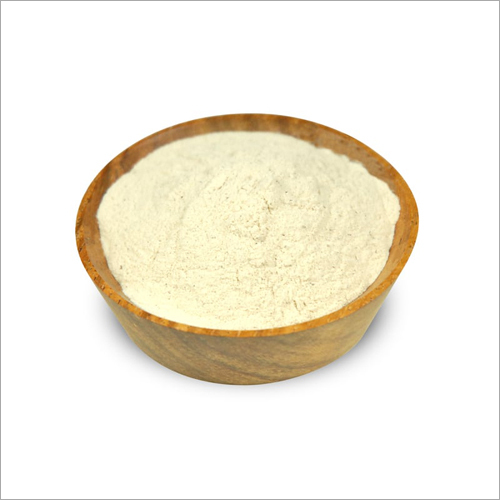
In the world of large-scale food production, fragrance and flavor consistency are not just quality factors—they are survival requirements. When a bakery chain produces millions of cookies a month or a beverage manufacturer standardizes flavor across continents, even a slight variation in vanilla profile can disrupt brand identity. This is exactly where Pure Vanilla Powder Wholesale becomes more than an ingredient; it becomes a strategic sourcing decision.
For factories, food processors, and industrial formulators, choosing the right vanilla powder supplier can directly affect production stability, cost efficiency, and final product acceptance in global markets. Suppliers such as MT Royal have positioned themselves as reliable partners in this chain by offering consistent quality, multiple sourcing options, and competitive bulk pricing structures tailored for manufacturing environments.
The demand for vanilla-based flavoring agents has been steadily rising, with global flavor markets projected to grow at approximately 4–5% annually according to industry estimates. As clean-label trends and natural ingredient preferences continue to dominate consumer behavior, vanilla powder—especially in its pure and natural forms—has become a preferred alternative to artificial flavorings in bakery, dairy, confectionery, and beverage industries.
Understanding how to source, evaluate, and integrate pure vanilla powder at wholesale scale is no longer optional knowledge for procurement teams; it is essential operational intelligence.
Understanding Pure Vanilla Powder in Industrial Applications
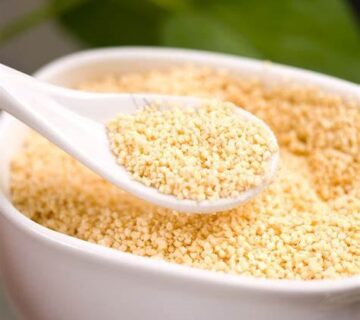
Pure vanilla powder is a finely processed form of vanilla derived either from cured vanilla beans or through carefully controlled drying and encapsulation processes. Unlike vanilla extract, which is liquid-based and often alcohol-carrying, vanilla powder offers stability, longer shelf life, and easier integration into dry mixes.
In industrial terms, vanilla powder falls into a broader category of natural vanilla powder and vanilla flavoring powder, depending on its composition and production method. High-grade versions are typically spray-dried or freeze-dried to preserve aromatic compounds such as vanillin, which is responsible for the signature vanilla aroma.
Why Pure Vanilla Powder Wholesale Matters for Factories
At industrial scale, sourcing is not just about price per kilogram—it is about process stability, supply chain reliability, and formulation predictability.
When factories shift to Pure Vanilla Powder Wholesale procurement models, they typically achieve three critical advantages:
1. Cost Optimization at Scale
Bulk purchasing reduces per-unit cost significantly. Many manufacturers report savings between 12% and 25% when switching from retail or semi-wholesale sourcing to structured industrial supply agreements.
2. Consistency Across Production Batches
Flavor consistency is one of the most difficult quality parameters in mass production. A standardized vanilla powder ensures every batch of cookies, ice cream, or protein shake tastes identical.
3. Operational Efficiency
Powdered vanilla integrates seamlessly into dry blending systems, reducing production time and minimizing manual handling errors.
In our collaboration with various factories, we have seen that even small improvements in flavor consistency can lead to measurable increases in customer retention and brand trust.
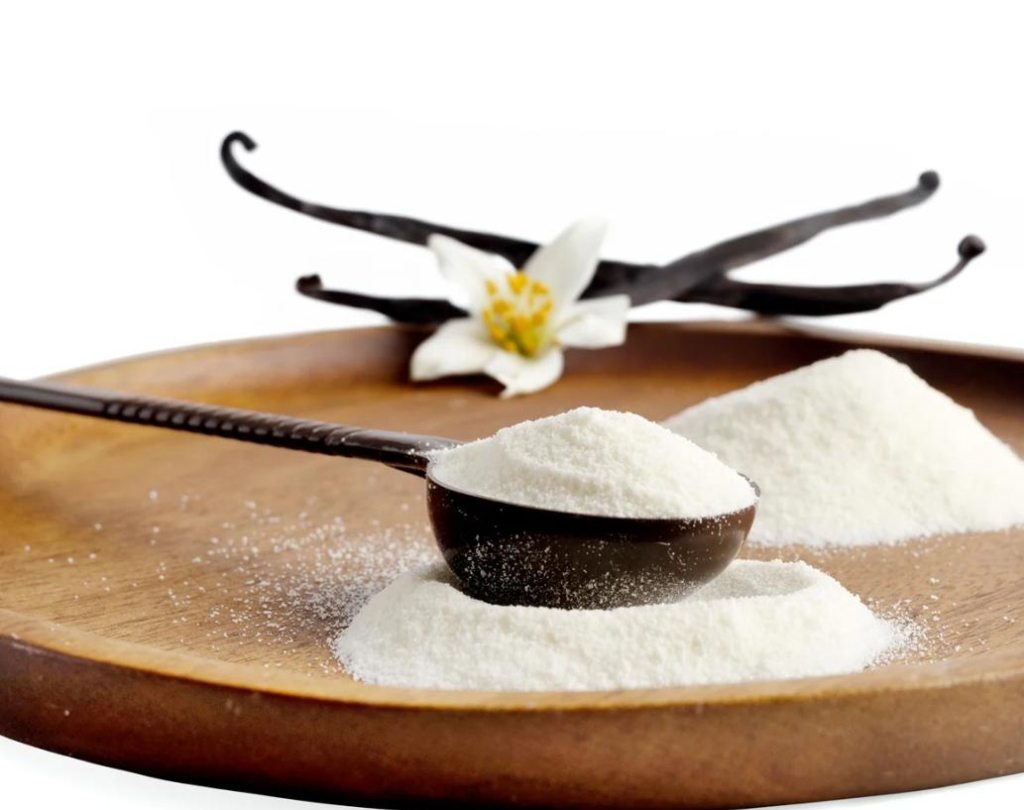
Common Industrial Forms of Vanilla Powder
Not all vanilla powders are created equal. Procurement teams must understand the differences before committing to bulk contracts.
Spray-Dried Vanilla Powder
Produced by spraying vanilla extract onto a carrier like maltodextrin and drying it rapidly. This is the most common industrial form.
Freeze-Dried Vanilla Powder
Higher aroma retention but more expensive. Often used in premium food products.
Vanilla Bean Powder
Made by grinding whole cured vanilla beans. Contains specks of natural vanilla and is considered the most authentic but also the costliest.
Blended Vanilla Flavoring Agents
A mix of natural and nature-identical compounds designed for cost efficiency and stable flavor profiles.
Each type serves different industrial needs depending on whether the factory prioritizes cost, aroma intensity, or labeling requirements.
Industrial Use Cases of Pure Vanilla Powder
Bakery Industry
Bread, cakes, muffins, cookies, and pastries rely heavily on vanilla for flavor depth. Powder form ensures even distribution in dry mixes.
Dairy Production
Ice creams, yogurts, and flavored milk beverages use vanilla powder for stability during pasteurization and freezing processes.
Confectionery Manufacturing
Chocolate bars, candies, and fillings benefit from vanilla as a flavor enhancer that smooths cocoa bitterness.
Beverage Industry
Protein shakes, coffee mixes, and instant beverages rely on vanilla powder for solubility and consistency.
Nutritional Supplements
Vanilla is widely used to mask unpleasant tastes in protein powders and meal replacements.
Common Mistakes in Industrial Vanilla Sourcing
Even experienced procurement teams can make costly errors when sourcing vanilla powder in bulk.
Mistake 1: Focusing Only on Price
The cheapest supplier often compromises on vanillin content or uses excessive carriers, which dilutes flavor intensity.
Mistake 2: Ignoring Moisture Content
High moisture levels can lead to clumping, microbial risks, and reduced shelf life.
Mistake 3: Overlooking Carrier Ingredients
Some vanilla powders contain high levels of maltodextrin or additives that affect labeling and clean-label claims.
Mistake 4: Lack of Supplier Verification
Failing to audit suppliers can lead to inconsistent batches and regulatory issues.
Mistake 5: Not Testing in Final Application
Vanilla behaves differently in baked, frozen, or liquid systems. Lab testing is essential before large-scale adoption.
MT Royal and Industrial Supply Reliability
Companies like MT Royal play a critical role in bridging the gap between raw material sourcing and industrial production requirements. By offering multiple brands under one procurement channel, they allow factories to compare performance, pricing, and stability without dealing with fragmented suppliers.
In practice, this reduces administrative overhead and improves negotiation leverage for procurement teams managing multiple SKUs across product lines.
We have observed that factories working with consolidated suppliers often reduce sourcing complexity by nearly 30%, simply by centralizing procurement channels.
Technical Factors That Define Quality in Pure Vanilla Powder Wholesale
Vanillin Concentration
The higher the vanillin content, the stronger and more authentic the vanilla aroma.
Carrier Material Quality
Common carriers include maltodextrin and gum arabic. Their quality affects solubility and flavor release.
Particle Size Distribution
Fine powders ensure better mixing and prevent sedimentation in liquid systems.
Moisture Control
Ideal moisture content is typically below 5% for long-term stability.
Aroma Retention Technology
Advanced encapsulation techniques help preserve volatile compounds during storage and transport.
Global Market Trends in Vanilla Powder Industry
The vanilla industry has experienced volatility due to agricultural dependency, especially in Madagascar, which supplies a large portion of global vanilla beans. Climate fluctuations and supply chain disruptions have caused price spikes in recent years.
Key trends include:
- Rising demand for natural flavoring agents
- Shift toward clean-label ingredients
- Increased adoption of spray-dried vanilla systems
- Expansion of bakery and convenience food markets in Asia-Pacific
- Growing interest in sustainable vanilla sourcing
Industry analysts suggest that demand for vanilla-derived products may increase significantly in the next decade, driven by processed food expansion and premiumization of flavors.
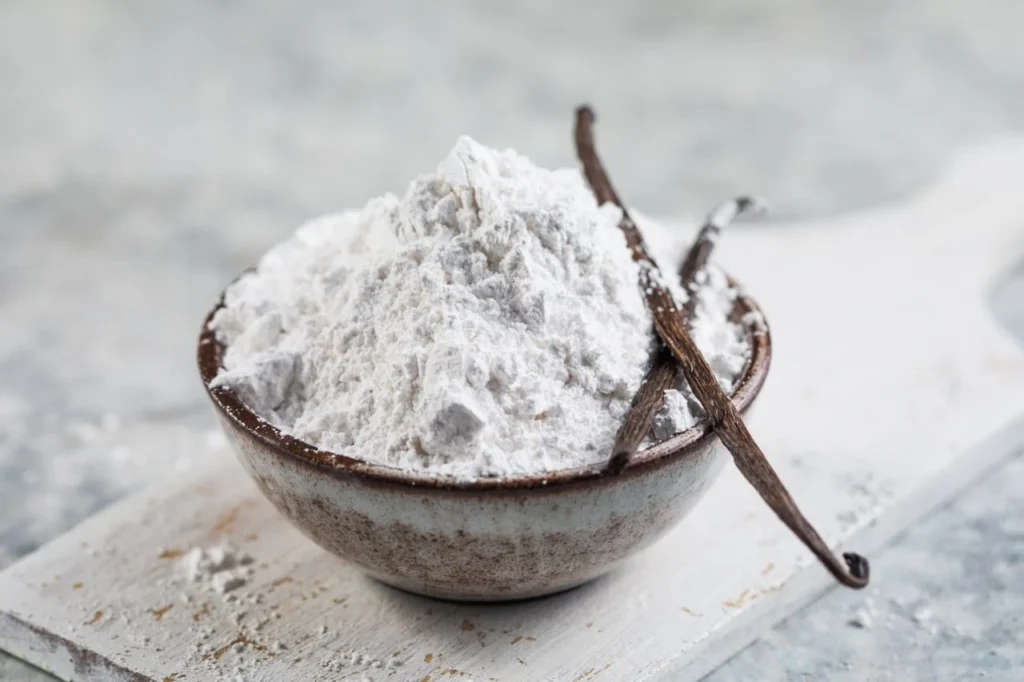
Practical Tips for Large-Scale Procurement Teams
Evaluate Supplier Stability
Long-term consistency matters more than short-term pricing advantages.
Request Batch Samples
Always test multiple batches before signing contracts.
Analyze COA (Certificate of Analysis)
Check vanillin percentage, microbial limits, and moisture levels.
Diversify Supply Sources
Avoid dependency on a single origin to mitigate agricultural risks.
Integrate with Production Testing
Run pilot production cycles before full-scale rollout.
Frequently Asked Questions (FAQ)
What is the difference between vanilla extract and vanilla powder?
Vanilla extract is liquid-based and often contains alcohol, while vanilla powder is dry, stable, and more suitable for industrial dry mixing applications.
Is pure vanilla powder better for baking?
Yes, because it distributes evenly in dry ingredients and withstands high temperatures without losing stability.
How should bulk vanilla powder be stored?
It should be stored in a cool, dry environment in airtight packaging to prevent moisture absorption and aroma loss.
Can vanilla powder replace vanilla beans?
In most industrial applications, yes. However, premium gourmet products may still prefer bean specks for visual authenticity.
What industries use vanilla powder the most?
Bakery, dairy, confectionery, beverage, and nutritional supplement industries are the primary users.
Strategic Outlook for Manufacturers
For manufacturers aiming to scale efficiently, ingredient sourcing is no longer a passive procurement function—it is a strategic lever. Vanilla, despite its simple appearance, is one of the most complex and sensitive flavor components in industrial food production.
Choosing the right Pure Vanilla Powder Wholesale supplier means securing not just flavor consistency, but also production stability and long-term cost predictability.
As supply chains evolve and consumer expectations rise, the factories that win will be those that treat ingredients like engineered inputs rather than commodity purchases. Partnering with experienced suppliers such as MT Royal allows manufacturers to navigate this complexity with greater confidence and operational control.
The real advantage is not in the vanilla itself—it is in how reliably it performs when scaled across millions of units, dozens of product lines, and diverse international markets.
LATAMARKO LM60 – Premium Spanish-Origin Cocoa Powder
latamarko alkalized cocoa powder lm60
cocoa powder for chocolate production-Best price
Food industry raw materials – list of products

No comment