

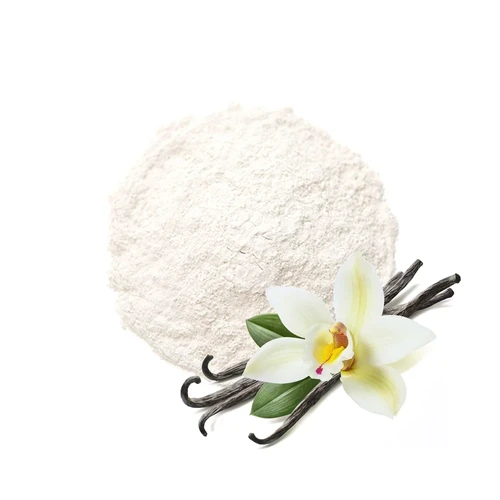
Choosing the right Natural Vanilla Powder Supplier is rarely just a purchasing decision. For manufacturers, it affects flavor consistency, production efficiency, product positioning, inventory management, regulatory compliance, and ultimately customer retention.
Factories that rely on natural flavor systems already know a difficult truth: a small change in vanilla quality can create a noticeable shift in the final product. One batch may deliver warm, rounded aromatic notes; another may flatten an otherwise premium formulation. That difference often begins long before production starts—it begins with sourcing.
For procurement teams evaluating long-term ingredient partnerships, working with an experienced supplier such as MT Royal can reduce sourcing complexity while improving flexibility. Rather than limiting factories to a narrow ingredient portfolio, suppliers that offer multiple brands, broader availability, and competitive commercial structures help manufacturers adapt faster to market conditions.
Natural vanilla powder continues to gain importance across food, beverage, bakery, dairy, nutraceutical, and specialty manufacturing sectors. As consumers increasingly prefer recognizable ingredients and cleaner labels, industrial buyers are reassessing how they source natural flavor ingredients at scale.
This guide explores what manufacturers should know before selecting a Natural Vanilla Powder Supplier, including technical specifications, sourcing mistakes, formulation considerations, market realities, and procurement strategies designed for industrial environments.
Industrial Applications That Depend on Natural Vanilla Powder
Dairy Manufacturing
Natural vanilla powder is widely used in:
- Yogurts
- Ice cream
- Dairy beverages
- Cream products
Manufacturers value controlled flavor release and natural positioning.
Because dairy matrices interact differently with aromatic compounds, supplier consistency becomes especially important.
Bakery Production
Applications include:
- Cakes
- Cookies
- Fillings
- Frozen dough
- Industrial mixes
Powder formats simplify dry ingredient integration.
Beverage Systems
Vanilla supports:
- Protein drinks
- Functional beverages
- Instant beverages
- Nutritional powders
Proper flavor retention under processing conditions becomes critical.
Nutraceutical Manufacturing
Vanilla increasingly appears in:
- Meal replacements
- Protein systems
- Functional nutrition
Natural positioning strengthens product perception.
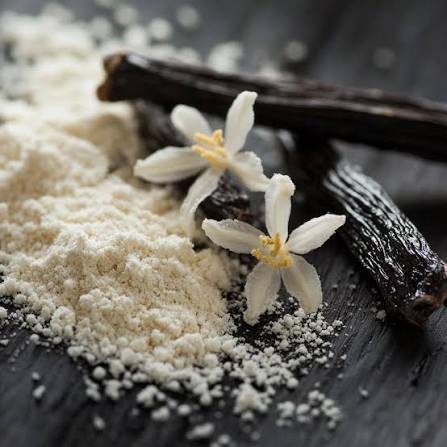
Emerging Trends Reshaping the Natural Vanilla Supply Chain
Industrial sourcing environments continue evolving.
Several trends influence procurement decisions.
Clean Label Expansion
Manufacturers increasingly replace artificial systems with recognizable ingredients.
Natural vanilla aligns with premium positioning and simplified ingredient declarations.
Greater Supplier Consolidation
Factories increasingly prefer strategic sourcing relationships over fragmented purchasing.
Suppliers able to offer multiple brands and flexible sourcing models gain stronger relevance.
Digital Procurement Integration
Procurement departments increasingly expect:
- Inventory visibility
- Faster documentation
- Better forecasting
Sustainability Expectations
Environmental and sourcing transparency continue influencing industrial purchasing.
Factories increasingly ask suppliers for origin visibility and supply chain accountability.
Specialized Production Tips for Large-Scale Manufacturing
Large production environments create unique challenges.
Standardize Dosing Procedures
Natural ingredients introduce variability.
Implement:
- Automated weighing
- Batch verification
- Controlled additions
Build Aroma Retention into Process Design
Flavor losses often occur during:
- Heating
- Drying
- Extended holding
Evaluate process points where volatile compounds disappear.
Develop Safety Stock Policies
Natural ingredient markets can tighten unexpectedly.
Maintain strategic inventory rather than emergency purchasing.
Create Supplier Backup Structures
Single-source dependency increases operational risk.
Working with diversified sourcing partners supports continuity.
In our experience supporting industrial sourcing conversations, facilities with backup procurement channels adapt faster during supply disruptions.
Procurement Questions Every Factory Should Ask Before Signing a Supply Agreement
Before selecting a Natural Vanilla Powder Supplier, ask:
- Can supply scale with our growth?
- What documentation accompanies each shipment?
- How stable are historical lead times?
- Are technical consultations available?
- What happens if specifications drift?
- Can alternative brands be offered?
- What inventory buffers exist?
Suppliers that answer clearly often become stronger long-term partners.
Cost Optimization Without Sacrificing Quality
Reducing ingredient costs does not always mean purchasing cheaper ingredients.
Consider:
- Usage efficiency
- Reduced waste
- Better process yields
- Stable sensory outcomes
- Lower complaint rates
A slightly higher-cost vanilla powder may reduce overall production costs through improved performance.
That distinction matters.
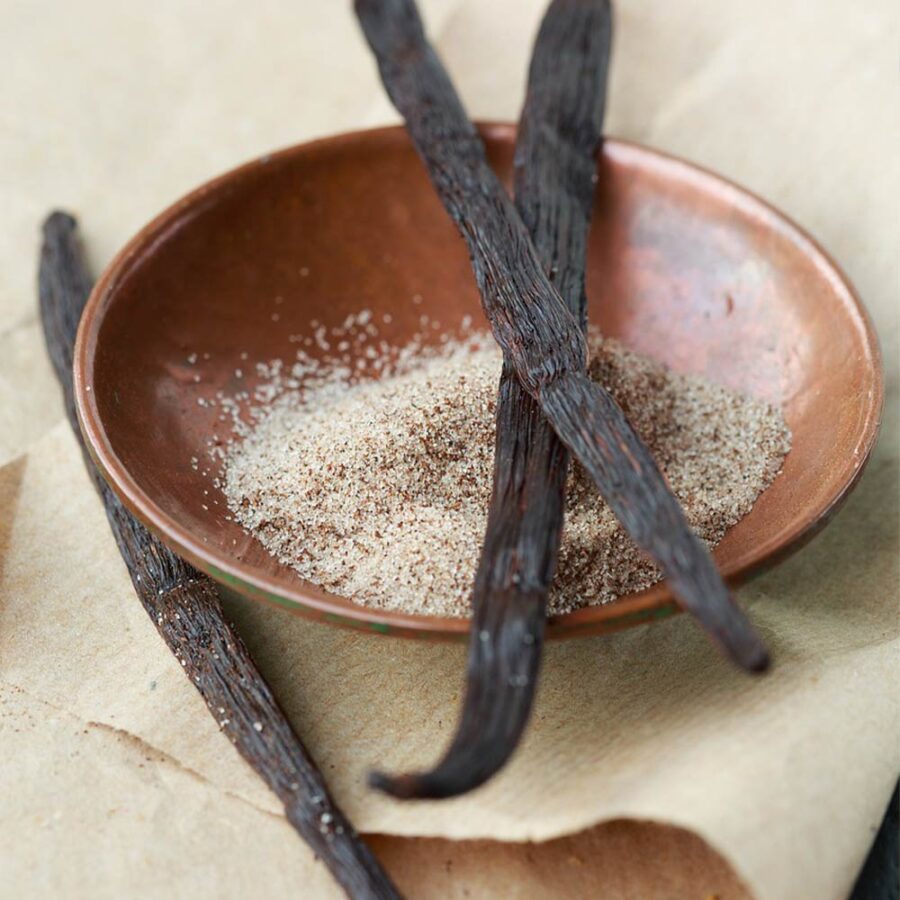
Why Multi-Brand Access Matters in Industrial Procurement
Ingredient markets move.
A supplier limited to one source creates vulnerability.
MT Royal’s approach of offering multiple brands and competitive commercial structures aligns with how modern procurement teams increasingly manage risk.
Instead of redesigning production because one sourcing lane narrows, manufacturers gain alternatives while maintaining continuity.
For procurement departments measured on both cost control and supply security, flexibility often becomes the hidden competitive advantage.
Frequently Asked Questions from Factory Managers and Procurement Teams
Is natural vanilla powder suitable for automated production lines?
Yes. When specifications align with equipment design and dosing requirements, natural vanilla powder integrates effectively into automated manufacturing environments.
Does vanilla origin significantly affect performance?
Yes. Agricultural conditions, curing methods, and processing standards influence aroma complexity and consistency.
Should procurement lock annual contracts?
That depends on market conditions, demand predictability, and inventory capacity. Strategic contracts often improve planning stability.
Can natural vanilla powder replace liquid vanilla systems?
In many applications, yes. Reformulation and process validation may be necessary.
What shelf life should factories expect?
Shelf life varies depending on processing method, packaging, and storage conditions. Always verify supplier specifications.
How many suppliers should a manufacturer maintain?
Many industrial operations maintain primary and secondary sourcing structures to reduce supply risk.
Building a Long-Term Ingredient Strategy Instead of Buying Batch by Batch
Factories that outperform competitors rarely do so because they purchased cheaper ingredients.
They succeed because procurement decisions support production objectives.
A strategic approach includes:
- Supplier performance reviews
- Technical validation
- Inventory planning
- Risk diversification
- Continuous optimization
Natural vanilla powder may seem like a small line item in procurement reports.
Yet anyone who has watched a production team troubleshoot flavor inconsistency for six hours understands that ingredients have a remarkable ability to become important very quickly.
The right Natural Vanilla Powder Supplier becomes more than a vendor. They become part of the production ecosystem—helping your factory maintain quality, adapt to market shifts, reduce sourcing friction, and protect the standards your customers expect. Manufacturers that treat vanilla procurement as a strategic function rather than a routine purchase position themselves for stronger operational stability and more resilient growth.
LATAMARKO LM60 – Premium Spanish-Origin Cocoa Powder
latamarko alkalized cocoa powder lm60
cocoa powder for chocolate production-Best price
Food industry raw materials – list of products


No comment