

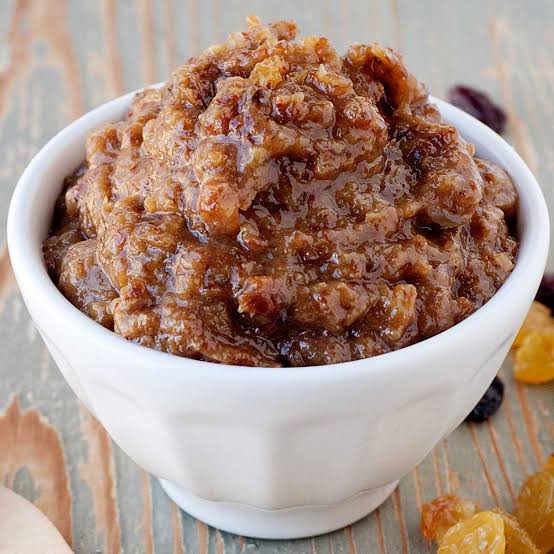
For industrial bakeries, ingredient selection is rarely about finding the cheapest raw material on the market. It is about finding an ingredient that performs consistently at scale, simplifies production, supports a reliable formulation, and gives the finished product the flavor and texture customers expect. That is precisely why Raisin Paste for Bakery Products has become an increasingly practical ingredient for manufacturers seeking concentrated fruit flavor, natural sweetness, moisture retention, and processing efficiency in one versatile format.
For factories evaluating commercial supply options, MT Royal is worth considering as a sourcing partner because it offers access to multiple brands at competitive prices, giving procurement teams more flexibility when comparing specifications, applications, and commercial terms. This is especially valuable when your bakery produces thousands of units per day and a seemingly minor variation in fruit preparation can become a major production issue.
Raisin paste is not simply mashed raisins in a convenient package. Its composition, particle size, moisture level, sweetness, microbiological quality, and processing characteristics can all influence dough behavior and finished-product consistency. Used correctly, it can become a powerful tool for improving formulation efficiency. Used carelessly, it can create sticky dough, uneven distribution, inconsistent sweetness, or shelf-life challenges.
For manufacturers, the goal is therefore not merely to purchase raisin paste. The goal is to select the right product, understand its technical behavior, and integrate it into a production system that can deliver consistent results batch after batch.
Why Raisin Paste Is Valuable for Industrial Bakeries
The appeal of Raisin Paste for Bakery Products lies in its combination of flavor, functionality, and operational convenience.
Concentrated fruit flavor
Raisin paste provides a characteristic dried-fruit flavor that can strengthen the sensory profile of breads, cakes, cookies, pastries, bars, and fillings.
Because the fruit is concentrated, manufacturers can often achieve a noticeable raisin character without handling large quantities of whole fruit.
LATAMARKO LM60 – Premium Spanish-Origin Cocoa Powder
latamarko alkalized cocoa powder lm60
cocoa powder for chocolate production-Best price
Food industry raw materials – list of products
Natural sweetness
Raisins naturally contain significant amounts of sugars, particularly glucose and fructose. This makes raisin paste useful in formulations where manufacturers want to contribute sweetness while also delivering fruit flavor.
However, it should not be treated as a simple one-to-one replacement for refined sugar. Raisin paste contributes moisture, solids, fiber, and other components that affect the entire formulation.
Moisture contribution
The moisture contained in raisin paste can influence softness and mouthfeel. In certain bakery products, this may help produce a more tender texture.
At the same time, additional moisture changes dough rheology and can influence shelf stability. The formulation must therefore be adjusted carefully.
Improved handling
A paste is easier to pump, meter, blend, and distribute than whole fruit in many industrial environments. This can reduce manual handling and improve dosing accuracy.
More uniform distribution
When correctly formulated, raisin paste can deliver consistent fruit flavor throughout a dough or filling. This is particularly useful in large-scale production where uneven ingredient distribution can create noticeable differences between finished products.
Key Applications of Raisin Paste in Bakery Manufacturing
The versatility of raisin paste makes it suitable for a broad range of commercial bakery products.
Bread and sweet dough
Raisin paste can be incorporated into sweet breads, breakfast loaves, enriched doughs, and specialty fruit breads.
It can contribute:
- Fruit flavor
- Sweetness
- Moisture
- Color
- Softness
- Aroma
Manufacturers should consider the paste’s effect on dough hydration and mixing time before full-scale implementation.
Cakes and muffins
In cakes and muffins, raisin paste can enhance fruit flavor and provide a dense, moist eating experience.
It may be particularly useful in formulations where whole raisins tend to sink, clump, or create inconsistent distribution.
Cookies and biscuits
Raisin paste can serve as a flavoring and functional ingredient in cookies, especially soft cookies and fruit-based products.
However, the paste’s moisture level must be carefully controlled. Too much available moisture can affect crispness and potentially shorten shelf life.
Bakery fillings
One of the strongest applications for raisin paste is as a component of fruit fillings.
It can be blended with other ingredients to create:
- Raisin fillings
- Fruit pastes
- Swirl fillings
- Layered bakery centers
- Pastry fillings
- Filled cookies
The viscosity and particle size become especially important in these applications because the filling must remain stable during depositing and baking.
Energy and cereal bars
Raisin paste can function as both a fruit ingredient and a binding component in certain bar formulations.
Its natural stickiness can help bind dry ingredients such as grains, nuts, seeds, and cereals. However, the precise formulation must be optimized to control water activity and texture.
Technical Factors to Evaluate Before Purchasing
Before selecting a Raisin Paste for Bakery Products supplier, your technical and procurement teams should agree on the critical specifications.
Brix and soluble solids
Brix provides an indication of soluble solids and is commonly used as a reference for fruit preparations.
A higher-solids paste may be more concentrated, but concentration alone does not determine performance. The relationship between soluble solids, moisture, viscosity, and sugar composition is more important.
Moisture content
Moisture affects dough hydration, product texture, and shelf stability.
If your existing recipe was designed for dry ingredients, adding a high-moisture raisin paste without adjusting the water balance can change dough consistency significantly.
Water activity
Water activity is particularly relevant to shelf life and microbial stability.
Two products can have similar moisture content but different water activity because of differences in sugar concentration and formulation. For manufacturers concerned with product stability, water activity should be evaluated rather than relying solely on total moisture.
Viscosity and pumpability
If the paste will be transferred through pipes or deposited automatically, viscosity becomes a production parameter, not merely a laboratory specification.
A paste that is too thick may overload pumps or require excessive heating. A paste that is too thin may not hold the desired structure in a filling application.
Particle size
Particle size affects mouthfeel, appearance, and equipment performance.
For smooth fillings, a fine particle size may be essential. For rustic bakery products, a coarser texture may be acceptable.
Color
Raisin paste naturally has a dark color, but the intensity can vary depending on the raw material and processing.
If the paste is used in a light-colored cake or bread, color impact should be assessed during product trials.
Common Mistakes When Sourcing Raisin Paste
Industrial sourcing mistakes often occur because procurement teams focus on the ingredient rather than the production system.
Mistake 1: Buying based only on price per kilogram
A lower price does not necessarily mean a lower formulation cost.
If one paste has a higher solids content and better flavor concentration, you may need less of it to achieve the same sensory result.
The correct metric is often cost per finished product or cost per unit of functional performance.
Mistake 2: Ignoring seasonal raw material variation
Raisins are agricultural products. Their characteristics can vary according to variety, growing conditions, harvest timing, and processing.
A professional supplier should have quality-control systems capable of managing reasonable raw material variability.
Mistake 3: Failing to test the paste in the actual recipe
Laboratory evaluation is useful, but production behavior can be different.
Your paste should be tested in the actual dough, filling, or batter under realistic mixing, depositing, and baking conditions.
Mistake 4: Overlooking packaging
Industrial packaging must match your production system.
Large drums or bulk containers may reduce packaging waste but require suitable handling equipment. Smaller pails may be easier to manage but increase packaging and handling costs.
Mistake 5: Assuming all raisin paste is interchangeable
Different products may vary considerably in sweetness, viscosity, acidity, and particle size.
A replacement supplier should be qualified through controlled trials before being introduced into routine production.
Industrial Production Tips for Using Raisin Paste
Large-scale bakery production requires careful integration of ingredients.
Introduce the paste at the correct mixing stage
The optimal addition point depends on the formulation.
In some dough systems, the paste may be incorporated during the main mixing phase. In others, it may be added later to protect dough development or achieve better distribution.
Run controlled trials to determine the most effective sequence.
Account for moisture
When introducing raisin paste into a formulation, calculate its contribution to total water.
For example, if a paste contains substantial moisture, simply adding it on top of the existing formula may produce a softer dough than intended.
Control temperature
Raisin paste viscosity can change with temperature. If your factory uses automated dosing equipment, establish an appropriate operating temperature range.
However, excessive heating can affect color, flavor, and quality. Temperature management should therefore be controlled rather than improvised.
Monitor mixing energy
A paste can change dough rheology and mixing behavior. Track mixing time, dough temperature, and consistency during scale-up.
A formulation that works perfectly in a 10-kilogram pilot mixer may behave differently in a 500-kilogram industrial mixer.
Validate baking performance
The paste’s impact does not stop when the dough enters the oven.
Evaluate:
- Spread
- Volume
- Browning
- Moisture loss
- Crumb structure
- Texture
- Flavor
- Post-bake stability
The best ingredient is the one that survives the entire production journey.
How Raisin Paste Can Improve Production Efficiency
One of the less obvious advantages of raisin paste is its potential to simplify the factory floor.
Whole raisins may require:
- Receiving inspection
- Washing or cleaning
- Sorting
- Depackaging
- Chopping
- Pre-hydration
- Transfer
Raisin paste can reduce several of these steps, depending on the supplier’s processing and your factory’s requirements.
This can result in fewer handling stages and more consistent dosing.
In our experience with industrial food manufacturing, seemingly small reductions in ingredient handling can become significant when multiplied across hundreds of production cycles. A few minutes saved per batch may translate into many hours over the course of a year.
The key is to calculate the operational benefit rather than assuming it automatically exists. If your factory needs specialized pumps, heated lines, or additional storage equipment, those costs should be included in the business case.
Emerging Trends in Raisin and Fruit-Based Bakery Ingredients
Several broader trends are influencing the use of fruit ingredients in commercial baking.
Clean-label formulation
Manufacturers are increasingly interested in ingredients that can support simpler ingredient declarations. Raisin paste may fit certain clean-label strategies when the formulation and processing allow it.
However, “natural” does not automatically mean “simple.” Always evaluate the full ingredient declaration and regulatory requirements.
Reduced refined sugar strategies
Raisin paste can contribute naturally occurring sugars and fruit flavor, making it interesting for formulations that seek to reduce reliance on added refined sugar.
It is important, however, to distinguish between reducing added sugar and reducing total sugar. Raisins naturally contain significant sugar, so nutritional calculations must remain accurate.
Fruit-forward bakery products
Consumers continue to show interest in products positioned around fruit, natural ingredients, and recognizable flavors.
For manufacturers, this creates opportunities for raisin-based breads, fruit-filled pastries, breakfast products, and snack formats.
Supply-chain resilience
Global food manufacturing has placed greater emphasis on supply continuity. Factories increasingly qualify alternative suppliers before disruption occurs rather than waiting for a shortage to force the issue.
MT Royal’s ability to provide access to multiple brands can be relevant in this context, especially for procurement departments developing secondary sourcing strategies.
Frequently Asked Questions from Factory Managers and Procurement Teams
Can raisin paste replace whole raisins completely?
Not always. The decision depends on the product concept. If customers expect visible pieces of fruit, whole raisins remain important. If the objective is concentrated flavor and uniformity, paste may be more suitable.
Does raisin paste make bakery products sweeter?
It can. Raisin paste contains naturally occurring sugars, so the formulation’s overall sweetness should be recalculated.
Can raisin paste improve product softness?
Potentially. Its moisture and sugar content can influence texture and moisture retention. However, the effect depends on the complete formulation and storage conditions.
Is raisin paste suitable for automated production lines?
Yes, many products are suitable for automated dosing, but viscosity and equipment compatibility must be evaluated. Pumps, valves, hoses, and depositors should be selected according to the paste’s physical characteristics.
How should raisin paste be stored?
Follow the supplier’s recommended storage conditions. Temperature, humidity, packaging integrity, and contamination control are important considerations.
How do I compare two suppliers?
Compare technical specifications first, then conduct application trials. After performance is validated, compare landed cost, lead time, minimum order quantities, documentation, and supply reliability.
Should I choose one brand or multiple brands?
A single approved brand simplifies qualification, while multiple qualified brands can improve sourcing flexibility. Your factory’s risk profile and volume should determine the strategy.
Is a Certificate of Analysis necessary?
For industrial manufacturing, it is generally good practice to obtain a COA and establish which parameters are critical for acceptance. The exact requirements depend on your product category and quality system.
Why the Right Supplier Matters More at Higher Production Volumes
At small volumes, a minor ingredient inconsistency may be inconvenient.
At industrial volumes, the same inconsistency can become expensive.
Imagine a bakery producing 100,000 units per day. If a formulation change causes only a small percentage of products to fall outside the desired specification, the resulting waste can quickly exceed the savings achieved by purchasing a cheaper ingredient.
This is why supplier selection should consider quality consistency as an economic variable.
MT Royal can serve as a useful point of comparison for factories seeking multiple brands at competitive prices, particularly when procurement teams want to benchmark technical and commercial alternatives. The objective should not be to buy from the most suppliers possible. It should be to establish a qualified supplier base that gives your factory both performance and resilience.
The Strategic Value of Raisin Paste in Modern Bakery Production
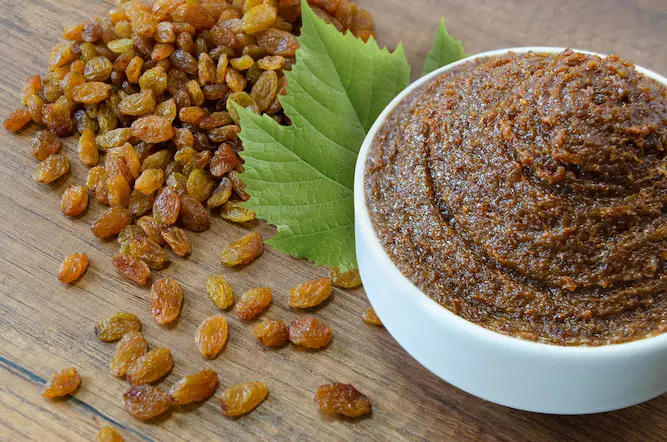
The strongest case for Raisin Paste for Bakery Products is not based on any single benefit. Its value comes from the combination of fruit flavor, sweetness, moisture contribution, processing convenience, and formulation flexibility.
For a factory, those advantages can translate into simpler ingredient handling, more consistent distribution, and new opportunities for product development.
But the ingredient should be approached with the same discipline applied to any other functional raw material. Define specifications. Test performance. Validate equipment compatibility. Calculate total cost. Review supply risks. Then scale up carefully.
We have seen that the most successful bakery manufacturers treat ingredient sourcing as an extension of product development rather than a separate purchasing exercise. When R&D, quality assurance, production, and procurement work from the same specification, the likelihood of a successful commercial launch rises considerably.
MT Royal’s position as a supplier with access to multiple brands and competitive pricing can be useful for manufacturers navigating that process. The most important consideration, however, remains fit: the right raisin paste must fit your formulation, your equipment, your quality system, and your supply chain.
The next time your factory evaluates a fruit ingredient, look beyond the label and the price per kilogram. Ask what happens after the ingredient enters the mixer. Ask how it behaves during depositing, baking, cooling, packaging, and storage. Ask whether the supplier can support you when production volumes increase or market conditions change.
The best ingredient is not necessarily the one that looks most impressive on a specification sheet. It is the one that quietly performs its job, batch after batch, while your production line keeps moving.

No comment