

When your beverage or sauce factory depends on stable shelf life, consistent taste, and predictable production, choosing the right preservative is a technical decision—not simply a purchasing decision. Sodium Benzoate Food Grade for Beverage and Sauce Industry is one of the most established preservation ingredients for acidic formulations, but its performance depends heavily on pH, formulation design, dosage control, processing hygiene, and raw-material quality. For manufacturers purchasing in bulk, sourcing from a supplier such as MT Royal can also provide access to multiple brands and competitive options rather than forcing your factory into a one-grade-fits-all purchasing strategy.
Sodium benzoate is widely recognized as an antimicrobial food ingredient. The U.S. FDA lists it under 21 CFR 184.1733 and identifies its technical functions to include antimicrobial, antioxidant, flavor-related, and pH-control applications. It is particularly valuable in acidic beverages, sauces, condiments, fruit preparations, and other products where controlling yeast, mold, and certain bacteria is important.
For a production manager, however, the more useful question is not whether sodium benzoate is effective. The real question is whether your particular sodium benzoate grade, formulation, process, and supply chain are working together correctly.
What Is Sodium Benzoate Food Grade?
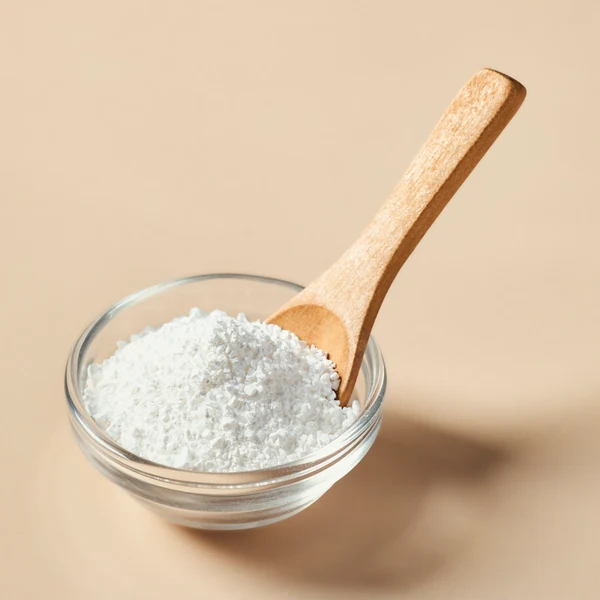
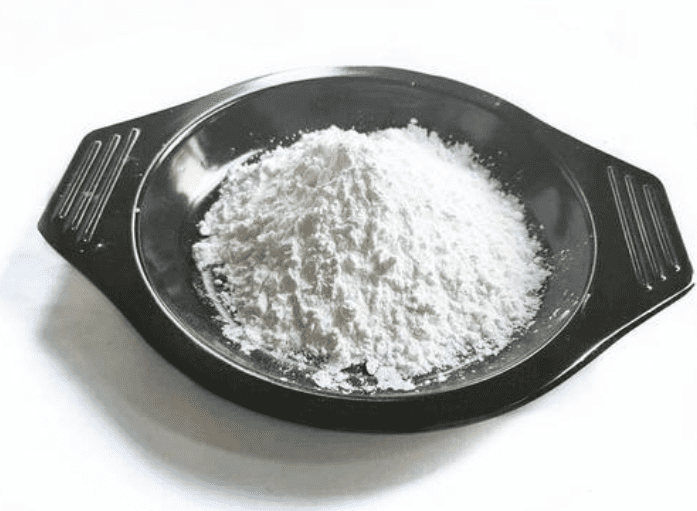
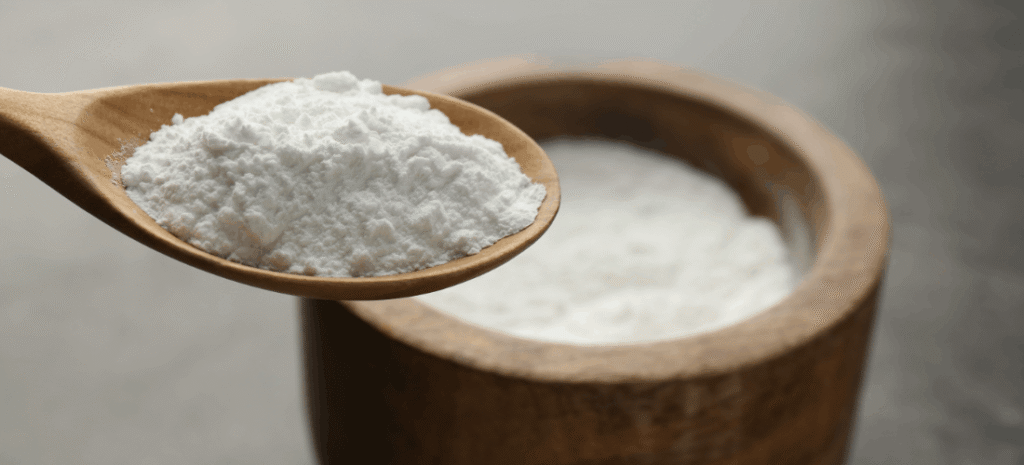
Sodium benzoate is the sodium salt of benzoic acid, with the chemical formula C₇H₅NaO₂ and CAS number 532-32-1. It is commonly supplied as a white crystalline powder or granules and is highly water-soluble, which makes it convenient for liquid food manufacturing.
In the European food-additive system, sodium benzoate is identified as E211. Its primary industrial function is preservation: it helps inhibit the growth of microorganisms responsible for spoilage.
FDA information lists sodium benzoate as an antimicrobial agent and associates it with a number of technical effects. FDA guidance also recognizes preservatives as formulation controls that can prevent microorganisms from growing in foods under appropriate conditions.
The term food grade, however, is important. A factory should not treat sodium benzoate as an interchangeable commodity chemical simply because the chemical name is identical. Food-grade procurement should involve appropriate specifications, purity, traceability, documentation, and compliance with the regulations applicable to the intended food and market.
LATAMARKO – Premium Spanish-Origin Cocoa Powder
Food industry raw materials – list of products
How Sodium Benzoate Works in Beverages and Sauces
Sodium benzoate is most useful in acidic food systems. Once dissolved in an acidic formulation, the equilibrium between benzoate and benzoic acid becomes important to its preservative activity.
This is why pH is not a minor laboratory number when using sodium benzoate. It is one of the central variables determining preservation performance.
An FDA laboratory manual specifically notes that sodium benzoate performs optimally in an acidic range around pH 2.5–4.0 and is substantially more soluble than benzoic acid.
For beverage and sauce manufacturers, this creates a practical relationship:
Preservative performance = preservative + pH + formulation + processing + hygiene + packaging + storage
Change one part of that equation and the final result can change.
For example, a beverage formulation with a controlled low pH, clean filling environment, and appropriate packaging may respond very differently from a sauce with higher solids, variable raw materials, and repeated exposure during processing.
This is why simply increasing sodium benzoate when a shelf-life problem appears is rarely the best first response.
Why Sodium Benzoate Is Popular in the Beverage Industry
Beverage manufacturers face a particularly demanding preservation environment. Products may contain water, sugars, fruit components, flavors, acids, vitamins, and other ingredients that can create opportunities for microbial growth.
Sodium benzoate can be useful because it combines several practical advantages.
High Water Solubility
For beverage production, solubility matters. A preservative that disperses predictably in the aqueous phase is easier to incorporate into a standardized production process.
MT Royal’s published sodium benzoate specification describes a white crystalline powder or granular product with high water solubility, while individual commercial grades can have their own documented specifications.
Effective Preservation in Acidic Systems
Sodium benzoate is particularly suited to acidic beverages such as certain soft drinks and fruit-based formulations. FDA identifies benzoate salts as preservatives used to inhibit bacteria, yeasts, and molds in beverages.
Compatibility With High-Volume Manufacturing
Because sodium benzoate is available as a standardized dry ingredient, it can be integrated into batch or continuous beverage manufacturing systems with appropriate dosing controls.
Relatively Low Sensory Impact
At properly validated levels, sodium benzoate is generally used without becoming a dominant sensory characteristic of the finished beverage. Nevertheless, sensory validation remains essential, particularly when changing supplier or dosage.
Sodium Benzoate Applications in the Sauce Industry
Sauce manufacturing creates a different technical environment from beverage production.
Products such as ketchup, chili sauces, fruit sauces, dressings, marinades, and condiments can contain sugars, salts, acids, oils, spices, vegetable solids, and suspended particles. These ingredients affect water activity, viscosity, pH, and microbial behavior.
Sodium benzoate may therefore be incorporated into a broader food preservation system rather than functioning alone.
Typical applications include:
- Tomato-based sauces
- Chili sauces
- Fruit sauces
- Salad dressings
- Condiments
- Marinades
- Pickled products
- Syrups
- Fruit preparations
- Acidified specialty sauces
The key point for manufacturers is that a sauce’s viscosity or solids content does not automatically tell you how well a preservative will perform. Laboratory validation should reflect the actual commercial formulation.
A preservative that performs perfectly in a transparent water-based model can behave differently once the formulation contains oils, suspended solids, proteins, starches, or concentrated plant materials.
Sodium Benzoate vs. Potassium Sorbate
One of the most common procurement and formulation questions is whether to purchase sodium benzoate or potassium sorbate.
Neither is universally “better.”
The appropriate choice depends on the product.
Sodium Benzoate
Often considered when:
- The product is acidic
- Beverage preservation is required
- Water solubility is important
- The formulation is designed around benzoate preservation
- Regulatory approval exists for the intended application
Potassium Sorbate
Often considered when:
- Yeast and mold control is a major concern
- The formulation is acidic
- Sorbate is compatible with the product’s sensory and labeling strategy
- The manufacturer wants to build a preservation system around sorbic acid chemistry
Combination Systems
In some formulations, manufacturers use multiple preservation hurdles rather than relying on one ingredient. However, combining preservatives should never be treated as an automatic recipe for better performance.
Your food technologist should validate the combination in the actual product matrix, under realistic storage conditions, and within applicable regulatory limits.
The Importance of pH in Sodium Benzoate Performance
If there is one process parameter your production team should never treat casually when working with sodium benzoate, it is pH.
A change in pH can change the proportion of benzoic acid and benzoate in the formulation, which can affect antimicrobial performance.
For acidified foods, pH is also part of the broader microbial safety strategy. FDA guidance, for example, notes that pH and water activity can be important processing factors in controlling microbial growth and that benzoates may be used in combination with organic acids such as citric, acetic, or lactic acid.
For your factory, that means pH should be:
- Defined in the product specification.
- Measured using calibrated equipment.
- Checked at appropriate stages of production.
- Recorded for every batch where relevant.
- Investigated when it moves outside the validated range.
A preservative system without pH control is a little like a filling line without a speed setting: technically present, but not exactly under control.
How Much Sodium Benzoate Should a Factory Use?
There is no universal dosage that can safely be copied from one product to another.
The permitted amount depends on the product category, jurisdiction, formulation, and applicable food regulations. Actual use should therefore be established by your regulatory and technical teams rather than by copying a supplier’s general-purpose recommendation.
FDA records and regulatory materials establish permitted uses and conditions under U.S. food regulations, but manufacturers selling into other markets must verify the relevant local requirements.
From a technical perspective, the correct approach is to determine the minimum validated level that achieves the required preservation objective while satisfying regulatory, sensory, and formulation requirements.
This is more sophisticated than simply maximizing preservative concentration.
A Critical Beverage Issue: Benzoate, Ascorbic Acid, and Benzene
Beverage manufacturers should be aware of a specific formulation consideration involving benzoate salts and ascorbic acid.
FDA has investigated the potential formation of very low levels of benzene in some beverages containing both benzoate salts and ascorbic acid or erythorbic acid, particularly under conditions involving heat and light.
This does not mean sodium benzoate should automatically be excluded from beverages. Rather, it demonstrates why formulation design, storage conditions, raw-material selection, and process controls matter.
FDA reported that it analyzed almost 200 soft drinks and other beverages during its investigations and found benzene above 5 ppb in ten samples; reformulated products subsequently had detected levels below 1.5 ppb.
For beverage manufacturers using benzoates alongside vitamin C, appropriate technical teams should therefore evaluate the formulation and storage environment rather than assuming that the preservative operates in isolation.
This is one of those details that may never appear on the purchasing department’s initial checklist—but it can matter enormously to beverage R&D.
Common Mistakes When Buying Sodium Benzoate in Bulk
Buying Only on Price per Ton
A lower quotation does not necessarily mean a lower manufacturing cost.
Your purchasing team should evaluate:
- Product price
- Freight
- Insurance
- Customs
- Packaging
- Testing
- Lead time
- Minimum order quantity
- Warehouse requirements
- Rejection risk
- Emergency replacement cost
The relevant number is the total landed cost per usable kilogram, not the headline quotation.
Assuming Every Food-Grade Product Is Identical
Two suppliers may both offer “food-grade sodium benzoate,” yet their documentation, physical form, manufacturing origin, packaging, and quality-control parameters may differ.
A supplier’s technical data should therefore be reviewed before approving an alternative grade.
Ignoring Particle Characteristics
Powder behavior can affect dust generation, flowability, weighing, dissolution, and automated dosing.
If your plant uses automated ingredient handling, physical properties deserve attention alongside chemical purity.
Failing to Request a Certificate of Analysis
A current CoA should be part of your incoming-quality process.
At minimum, your quality team should compare the certificate against the approved internal specification and confirm lot traceability.
Changing Supplier Without Revalidation
Changing from one sodium benzoate manufacturer to another may appear operationally insignificant.
It is not always so.
Your QA and R&D teams should assess the new material before commercial use, especially if the supplier’s specification or physical characteristics differ.
Industrial Tips for Large-Scale Beverage Production
At industrial scale, preservative handling should be designed for repeatability.
Prepare a Standardized Premix
If your formulation allows it, a controlled premix can make dosing more uniform than manually adding dry sodium benzoate directly into a large batch.
The correct method depends on your process and formulation, but the principle is universal: reduce the number of uncontrolled variables.
Add It at a Defined Process Point
Your production SOP should specify exactly when sodium benzoate is introduced.
Changing the addition point can affect dissolution, interaction with other ingredients, and batch uniformity.
Calibrate Dosing Equipment
A dosing system that is “usually accurate” is not good enough for a critical formulation ingredient.
Regular calibration and verification should be built into the quality system.
Monitor pH After Major Formulation Changes
Changing citric acid, fruit concentrate, sweetener systems, mineral content, or other ingredients can shift the final pH.
The preservative system should be reviewed whenever the formulation changes materially.
Industrial Tips for Sauce Manufacturers
Sauce production presents its own challenges.
Control the Order of Addition
Acids, salts, thickeners, preservatives, and other ingredients can interact with the process. The order in which ingredients enter the batch can affect dispersion and final uniformity.
Account for Viscosity
A highly viscous sauce may require more deliberate mixing than a beverage.
A preservative that has been added to the correct quantity but is poorly dispersed is not performing its job where you need it.
Validate the Finished Product
Do not rely exclusively on a test solution or water-based laboratory model.
Microbiological shelf-life evaluation should reflect the actual commercial formulation and packaging.
How MT Royal Fits Into Industrial Sodium Benzoate Procurement
For factories, supplier selection is ultimately about managing risk as much as purchasing an ingredient.
MT Royal’s published portfolio includes sodium benzoate for food and beverage applications and identifies multiple commercial sources, including Eastman, Wuhan Youji, and Tengzhou Tenglong grades. This type of multi-brand availability can be useful when your procurement team needs to compare specifications, origin, availability, and commercial conditions.
MT Royal also publishes sodium benzoate specifications including food-grade material, crystalline powder or granular forms, and packaging options such as 25 kg bags or customized formats.
For an industrial buyer, having several potential grades available can be more valuable than simply having a single product on a price list. It provides room to match the raw material with the factory’s formulation, purchasing volume, documentation requirements, and supply-chain priorities.
In our experience with manufacturing procurement, the strongest purchasing decisions are usually made before the quotation stage: first establish the specification, then qualify the material, and only afterward compare commercial offers.
We have also seen how a small documentation gap can become a large logistics problem when an ingredient is being imported for a production schedule with no spare time. Good sourcing therefore needs both technical discipline and practical supply-chain planning.
Sodium Benzoate Food Grade: Frequently Asked Questions
Is sodium benzoate suitable for soft drinks?
It can be suitable for certain acidic beverages and is widely used as an antimicrobial preservative. However, suitability depends on the formulation, pH, dosage permitted by the applicable regulations, and the complete preservation strategy. FDA specifically identifies benzoate salts as preservatives used in beverages.
Is sodium benzoate the same as E211?
Yes. E211 is the European food-additive designation commonly associated with sodium benzoate.
Is sodium benzoate better than potassium sorbate?
Not universally. The appropriate preservative depends on product pH, target microorganisms, formulation, sensory requirements, regulatory conditions, and the desired preservation strategy.
Can sodium benzoate be used in sauces?
Yes, sodium benzoate is used in various acidic sauces, condiments, pickled products, and related food formulations. MT Royal lists sauces and condiments among its sodium benzoate applications.
Does sodium benzoate dissolve in water?
Yes. Its high water solubility is one reason it is convenient for beverage manufacturing. The exact dissolution behavior in a production system still depends on concentration, temperature, mixing, and the other ingredients present.
Does sodium benzoate kill all microorganisms?
No. It should not be regarded as a universal sterilizing agent. Its role is microbial growth control within a validated food-preservation system.
How should sodium benzoate be stored?
Follow the manufacturer’s specification and storage instructions. In general, food-grade preservative materials should be protected from contamination and unsuitable environmental conditions, with lot traceability maintained throughout warehouse operations.
Should a beverage factory keep two sodium benzoate suppliers?
For strategically important ingredients, dual sourcing can reduce supply risk, but alternative suppliers should be properly qualified. The objective is not to have two names on a purchasing spreadsheet; it is to have two technically acceptable and commercially viable supply options.
Building a More Reliable Preservation Strategy
The most effective use of Sodium Benzoate Food Grade for Beverage and Sauce Industry begins long before the preservative reaches the mixing tank.
Your formulation team needs to understand pH and microbial risk. Your production team needs a controlled addition and mixing procedure. Your quality department needs reliable testing and traceability. Your regulatory team needs to verify the intended use in every target market. And your procurement team needs a supplier capable of delivering the approved specification consistently.
That is why sourcing should be treated as part of product quality rather than as a separate purchasing function.
MT Royal can be a practical sourcing option for manufacturers that want to compare sodium benzoate grades and brands while maintaining access to competitive commercial supply. Its published portfolio gives industrial buyers several sourcing routes rather than limiting them to one manufacturer.
The deeper lesson is simple: a preservative does its most important work when nobody notices it. The beverage stays stable. The sauce reaches the end of its intended shelf life. The flavor remains consistent. The production line keeps moving. The batch passes quality control.
That kind of reliability does not come from buying the cheapest bag of sodium benzoate. It comes from selecting the right food-grade material, validating it in the real product, controlling the process, and building a supply chain strong enough to support every batch that follows.


No comment