

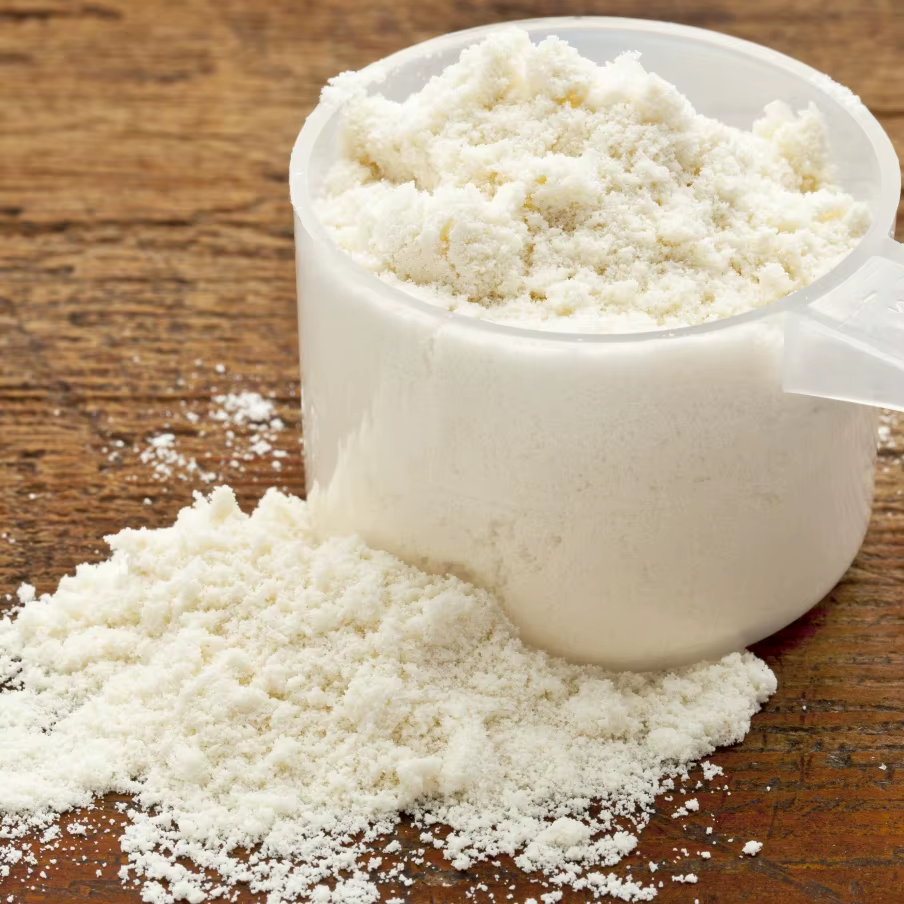
In the global dairy ingredients market, where supply consistency and functional reliability define industrial success, finding a Trusted Supplier of D20 Demineralized Whey is no longer just a procurement task—it is a strategic decision that directly affects product quality, production efficiency, and long-term competitiveness. For factories producing infant nutrition, confectionery, bakery systems, dairy blends, or beverage formulations, D20 whey is one of those silent ingredients that rarely gets attention on the label but heavily influences what happens inside the factory.
For manufacturers looking for stability in quality and competitive pricing across multiple origins, sourcing through a reliable partner such as MT Royal provides a practical advantage. In large-scale production environments, where even slight variations in mineral content can disrupt formulation behavior, supplier reliability becomes a form of insurance policy for your production line.
LATAMARKO LM60 – Premium Spanish-Origin Cocoa Powder
latamarko alkalized cocoa powder lm60
cocoa powder for chocolate production-Best price
Food industry raw materials – list of products
Best Brazilian Arabica Coffee Bean Supplier for Industrial Roaster
Uganda Bugisu Arabica Coffee Beans for Specialty Coffee Industry
Understanding D20 Demineralized Whey and Why It Matters
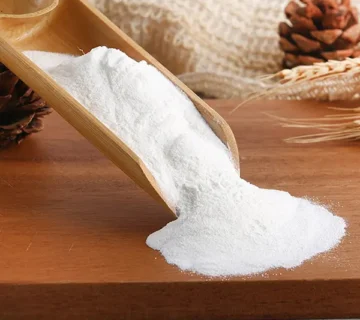
D20 Demineralized Whey refers to whey powder that has undergone a controlled demineralization process, reducing mineral content to approximately 20% of original levels. This “D20 grade” sits in a functional sweet spot: it retains enough minerals for nutritional balance while significantly reducing ionic interference in sensitive formulations.
What makes D20 different from standard whey ingredients
Unlike standard whey powder, D20 demineralized whey is engineered for industrial precision. The reduction in minerals such as sodium, potassium, and calcium improves compatibility in systems where protein stability, solubility, and controlled reactivity are essential.
This makes it particularly suitable for:
- Infant formula systems requiring strict compositional control
- Chocolate and confectionery applications where crystallization behavior matters
- Bakery systems needing controlled fermentation and browning
- Dairy beverages requiring stable protein dispersion
In technical terms, D20 acts like a “stabilized base matrix” that allows other ingredients to behave predictably.
How D20 whey is produced
The production process typically involves membrane filtration or ion exchange technologies that selectively remove minerals from liquid whey. After demineralization, the whey is concentrated and spray-dried into powder form.
Spray drying conditions are critical. If not properly controlled, the powder may develop poor solubility or heat sensitivity. High-quality suppliers ensure consistent particle size distribution, moisture control below 4%, and excellent reconstitution properties.
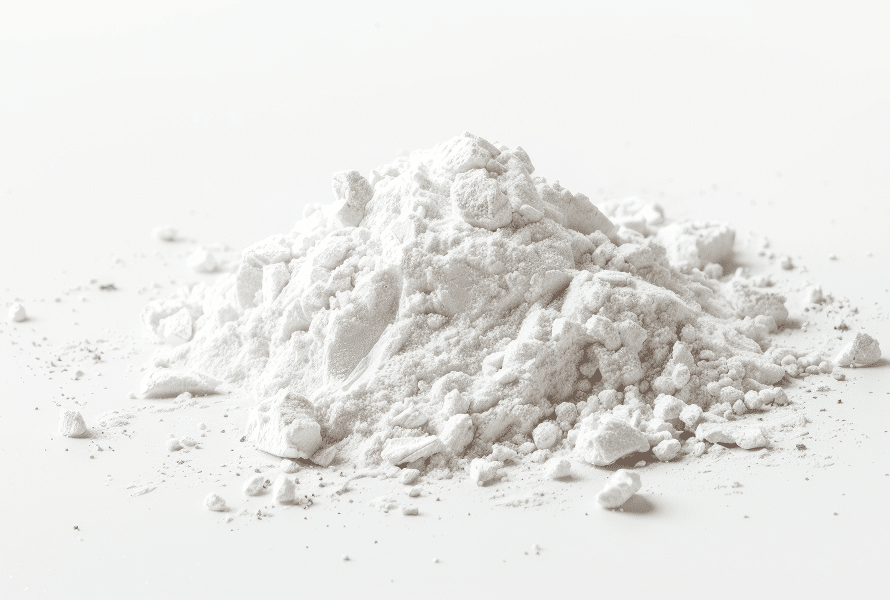
Why Manufacturers Depend on a Trusted Supplier of D20 Demineralized Whey
In industrial food production, ingredients are not just inputs—they are behavior systems. D20 whey is especially sensitive to variations in processing and sourcing.
Consistency is everything in D20 applications
A Trusted Supplier of D20 Demineralized Whey ensures:
- Stable mineral reduction ratio across batches
- Predictable solubility in hot and cold systems
- Controlled lactose and protein balance
- Uniform color and sensory neutrality
Without consistency, factories often experience issues like batch-to-batch viscosity variation or unexpected flavor shifts.
In our collaboration with various food manufacturers, we have seen that inconsistent D20 sourcing can increase production waste by up to 8–12%, especially in high-sensitivity applications like infant nutrition and dairy beverages.
Key Functional Benefits of D20 Demineralized Whey
D20 whey is not a single-function ingredient—it performs multiple roles depending on application.
1. Protein and solids optimization
D20 whey contributes to total solids without overloading mineral content. This is essential for manufacturers seeking nutritional enhancement without destabilizing formulation chemistry.
2. Improved solubility and dispersion
Due to reduced mineral interference, D20 whey dissolves more efficiently in both cold and warm systems. This improves production efficiency, especially in beverage manufacturing lines.
3. Controlled flavor profile
D20 has a mild dairy taste without strong salty or metallic notes. This makes it ideal for delicate flavor systems such as vanilla beverages, infant formula, or light dairy creams.
4. Heat stability in processing
In pasteurization and UHT systems, reduced mineral content helps prevent protein aggregation, improving long-term stability.
Common Mistakes When Sourcing D20 Whey
Selecting a supplier for D20 is not as simple as comparing prices per ton. Many procurement teams underestimate how sensitive this ingredient is to variability.
A reliable partner such as MT Royal often sees recurring sourcing mistakes that lead to production instability.
Mistake 1: Ignoring true demineralization level
Not all D20 products are identical. Some suppliers may show variations between 18% and 25% mineral content, which significantly impacts product performance.
Mistake 2: Overlooking solubility testing
Factories sometimes approve samples based on lab results only, without testing in real production environments.
Mistake 3: Choosing suppliers solely based on cost
Low-cost D20 often leads to hidden production costs due to instability, rework, or additive compensation.
Mistake 4: Lack of batch traceability
Without consistent traceability, troubleshooting production issues becomes nearly impossible.
Industrial Applications of D20 Demineralized Whey
D20 whey is widely used across multiple sectors due to its flexibility and functional stability.
Infant nutrition products
One of the most critical applications. D20 whey helps mimic breast milk composition while maintaining strict regulatory compliance.
Chocolate and confectionery systems
It improves texture, reduces sugar crystallization issues, and enhances milk flavor integration.
Bakery formulations
D20 supports controlled browning reactions and improves dough hydration balance.
Dairy beverages
It stabilizes protein dispersion and prevents sedimentation in ready-to-drink systems.
Comparison: D20 Whey vs Other Dairy Ingredients
Understanding where D20 stands helps manufacturers optimize formulation strategies.
Compared to full whey powder:
- D20 has lower mineral content
- Better solubility and stability
- Higher cost but better functionality
Compared to whey protein concentrate:
- Lower protein content
- Better flavor neutrality
- More suitable for sensitive systems
Compared to skim milk powder:
- Less fat and casein contribution
- More flexible in industrial blending systems
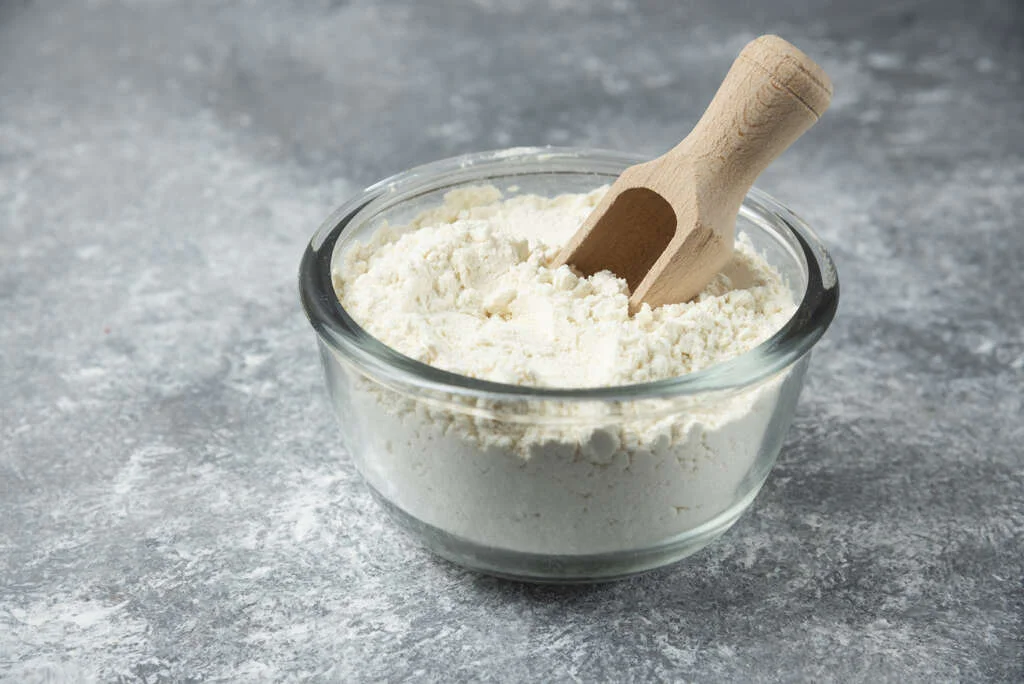
Specialized Industrial Processing Tips
When working with D20 Demineralized Whey, processing technique is just as important as ingredient quality.
- Always pre-disperse in water before adding other powders
- Maintain controlled hydration temperature (35–45°C ideal for most systems)
- Avoid high-shear mixing during early hydration stages
- Use staged blending in high-solid formulations
- Monitor pH stability during formulation development
Small changes in mixing order can significantly affect final product stability—sometimes more than changing the ingredient itself.
Market Trends and Industry Insights
The demand for D20 whey is growing steadily, driven by three global trends:
- Expansion of infant nutrition markets in Asia and Latin America
- Growth of high-protein dairy beverages
- Increasing demand for clean-label dairy ingredients
Industry reports suggest that demand for demineralized whey ingredients is growing at approximately 5–7% annually, with D20 being one of the most widely used grades due to its balance of cost and functionality.
Why Supplier Reliability Matters More Than Ever
In modern dairy manufacturing, downtime is expensive. A single unstable batch can disrupt entire production schedules.
A Trusted Supplier of D20 Demineralized Whey ensures:
- Continuous supply stability
- Technical documentation support
- Consistent functional performance
- Multi-origin sourcing options for risk reduction
Factories working with structured suppliers like MT Royal reduce formulation correction cycles and improve long-term production predictability.
We have observed that factories prioritizing supplier consistency reduce production variability by up to 15–20% over time.
Frequently Asked Questions
What does D20 mean in demineralized whey?
It refers to whey with approximately 20% of original mineral content remaining after processing.
Is D20 suitable for infant formula?
Yes, it is widely used due to its controlled mineral profile and high nutritional adaptability.
Why is solubility important in D20 whey?
Because poor solubility leads to clumping, instability, and processing inefficiencies.
Can D20 replace milk powder?
Partially, depending on formulation requirements and nutritional targets.
What is the biggest risk in sourcing D20?
Inconsistent demineralization levels across batches.
Final Perspective for Manufacturers
D20 Demineralized Whey is not just another dairy ingredient—it is a functional foundation for precision food systems. Its value lies not only in what it contains, but in how predictably it behaves inside complex industrial formulations.
Choosing a Trusted Supplier of D20 Demineralized Whey is ultimately a decision about control: control over texture, stability, nutrition, and production efficiency. In an industry where margins are tight and expectations are high, that control becomes a competitive advantage that cannot be ignored.


No comment