

Choosing the right emulsifier can directly influence production efficiency, product stability, consumer acceptance, and long-term manufacturing costs. For factories working with food, supplements, cosmetics, pharmaceuticals, or animal nutrition products, the decision between soy lecithin vs sunflower lecithin is not a minor ingredient choice—it is a supply chain decision that can affect every stage of production. MT Royal helps manufacturers evaluate reliable lecithin options by connecting factories with multiple established brands and competitive sourcing solutions designed for industrial requirements.
Lecithin may appear simple on a technical specification sheet, but behind those small percentages of phospholipids is a complex world of extraction methods, allergen management, regulatory expectations, price fluctuations, and processing performance. A factory selecting the wrong lecithin type may face issues such as inconsistent texture, reduced shelf life, processing delays, or unexpected reformulation costs. The right choice, however, can improve product quality while making production smoother and more predictable.
For procurement teams and factory managers, understanding the practical differences between soy lecithin and sunflower lecithin is essential. Both ingredients perform similar functions, but their origins, market positioning, chemical profiles, and manufacturing advantages are different. This guide examines those differences from an industrial perspective, helping you make a better sourcing decision for your production line.
LATAMARKO LM60 – Premium Spanish-Origin Cocoa Powder
latamarko alkalized cocoa powder lm60
cocoa powder for chocolate production-Best price
Food industry raw materials – list of products
Types of Gelatin from Turkish Manufacturer
What Is Lecithin and Why Does It Matter in Industrial Production?
Lecithin is a naturally occurring mixture of phospholipids, fatty acids, triglycerides, and other components that acts primarily as an emulsifier. In simple terms, lecithin helps ingredients that normally resist mixing—such as oil and water—form a stable blend.
Industrial manufacturers use lecithin because it improves:
- Texture consistency
- Moisture control
- Dispersion of ingredients
- Processing efficiency
- Shelf stability
- Mouthfeel in food products
- Flow properties in powders
The demand for lecithin continues to grow as manufacturers seek cleaner-label ingredients and more efficient production systems. The global lecithin market has expanded alongside trends in functional foods, plant-based nutrition, sports supplements, and natural cosmetic formulations. Sunflower lecithin, in particular, has gained attention because many brands are responding to consumer concerns about allergens and genetically modified ingredients.
For a factory, lecithin is not just an additive. It is a production tool. A high-quality emulsifier can prevent manufacturing headaches that appear later in the process, when changing formulas becomes expensive and time-consuming.
Soy Lecithin vs Sunflower Lecithin: Understanding the Basic Difference
The primary difference between soy lecithin and sunflower lecithin comes from their source material.
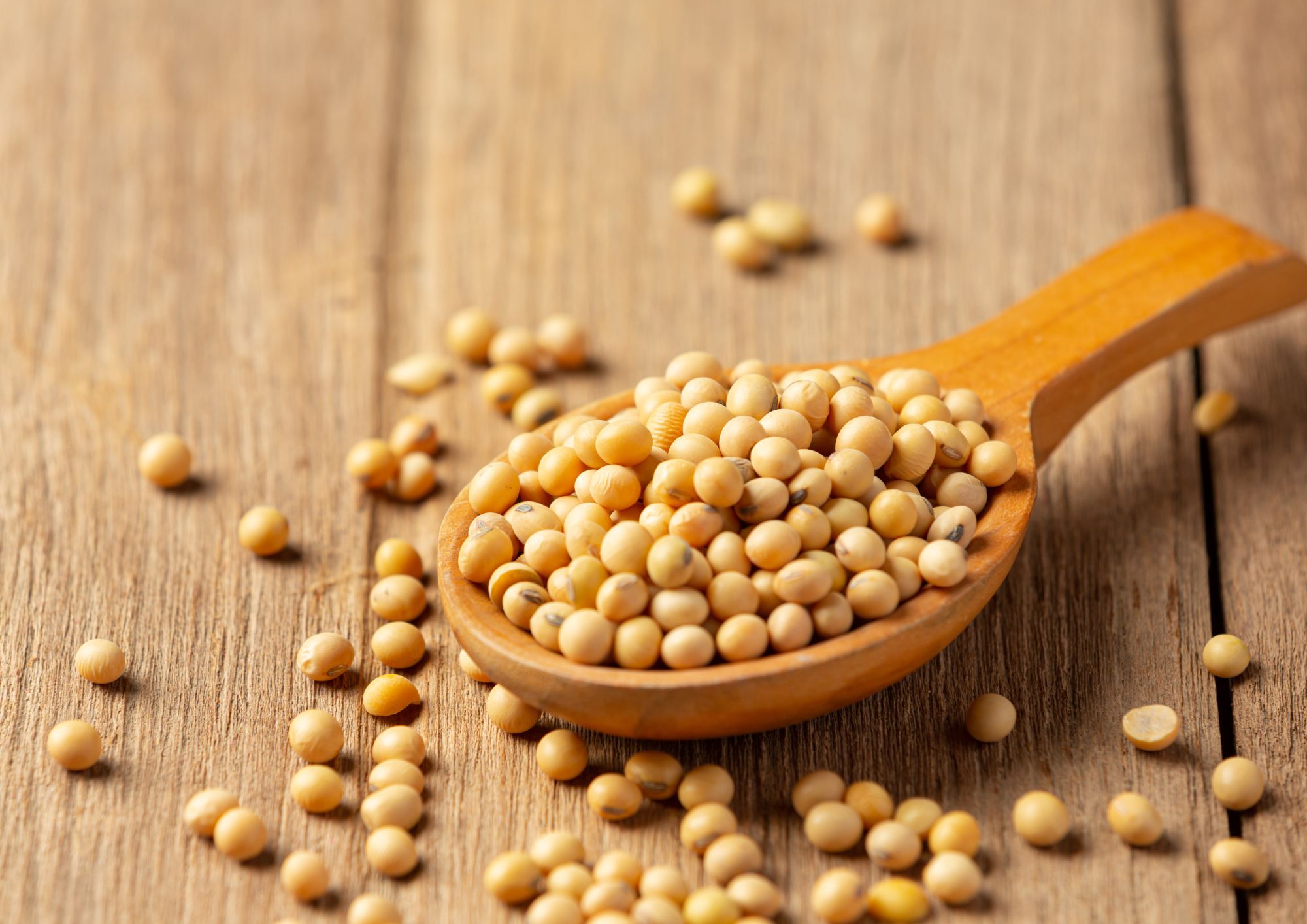
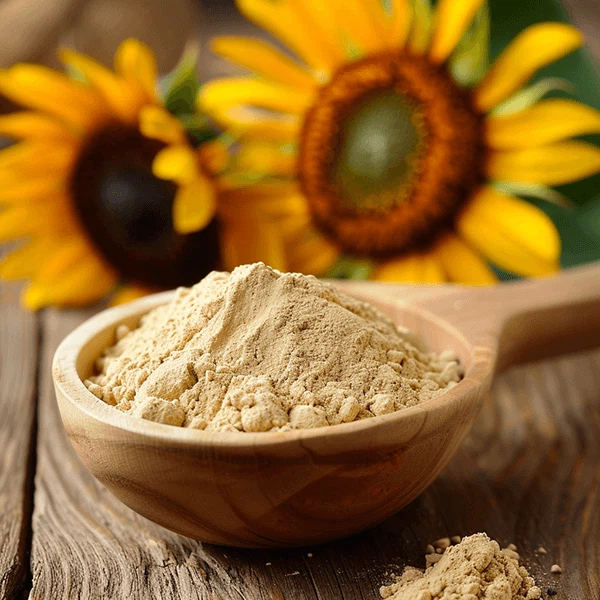
Soy lecithin is extracted from soybeans, usually as a byproduct of soybean oil production. Sunflower lecithin is extracted from sunflower seeds, typically through a mechanical process that avoids chemical solvents.
Both ingredients contain phospholipids, which provide emulsification properties. However, the production methods and market perception of these ingredients create important differences.
Soy Lecithin: The Established Industrial Standard
Soy lecithin has been used in manufacturing for decades and remains one of the most widely available emulsifiers worldwide. Its long industrial history means suppliers have developed highly efficient processing systems, large-scale availability, and competitive pricing.
Common applications include:
- Chocolate and confectionery products
- Bakery items
- Dairy alternatives
- Protein powders
- Instant beverages
- Nutritional supplements
- Animal feed products
One reason soy lecithin remains popular is its strong functional performance. It provides excellent emulsification, helps reduce viscosity in chocolate production, and supports consistent texture in many formulations.
However, manufacturers must consider several factors. Some consumers avoid soy-derived ingredients due to soy allergies, dietary preferences, or concerns about genetically modified crops. Although many suppliers provide non-GMO soy lecithin, certification and documentation must be carefully reviewed during procurement.
Sunflower Lecithin: The Rising Alternative
Sunflower lecithin has become increasingly popular among manufacturers seeking a clean-label and allergen-friendly ingredient. It is derived from sunflower seeds and is often marketed as a natural alternative to soy-based emulsifiers.
Sunflower lecithin is commonly used in:
- Health supplements
- Vegan nutrition products
- Functional foods
- Organic-certified products
- Premium chocolate
- Cosmetics
A major advantage is that sunflower lecithin is naturally non-GMO in many supply chains and is generally recognized as suitable for consumers avoiding soy ingredients.
The extraction process is also an important consideration. Many sunflower lecithin products are produced using mechanical extraction methods, which can appeal to manufacturers looking for minimally processed ingredients.
Soy Lecithin vs Sunflower Lecithin: A Technical Comparison for Factories
When comparing lecithin options, factory managers should look beyond ingredient labels. Performance, cost, availability, and regulatory requirements all influence the final decision.
| Factor | Soy Lecithin | Sunflower Lecithin |
|---|---|---|
| Source | Soybeans | Sunflower seeds |
| Market history | Long-established | Growing rapidly |
| Cost level | Usually more economical | Usually higher priced |
| Allergen concerns | Possible soy allergen consideration | Generally preferred for allergen-sensitive markets |
| GMO concerns | Requires certification review | Often naturally non-GMO |
| Availability | Very high | Increasing but more limited |
| Consumer perception | Familiar but sometimes controversial | Often viewed as premium and clean-label |
| Processing options | Widely available | Often associated with gentle processing |
This comparison does not mean one ingredient is universally better. The best option depends on the product category, target market, and production objectives.
A mass-market chocolate factory producing millions of units annually may prioritize cost efficiency and choose soy lecithin. A premium supplement brand targeting health-conscious consumers may accept a higher ingredient cost to use sunflower lecithin.
Functional Performance: Does One Lecithin Work Better?
A common question from production teams is whether sunflower lecithin performs better than soy lecithin. The answer depends on the application.
Both types provide effective emulsification because their phospholipid structures allow them to interact with both water and fat molecules. However, certain differences may influence processing.
Chocolate Manufacturing
In chocolate production, lecithin helps control viscosity and improves processing efficiency. Soy lecithin has traditionally dominated this industry because of its reliable performance and cost advantages.
Sunflower lecithin can also perform well, especially for premium chocolate products where manufacturers want a cleaner ingredient profile.
Powder and Supplement Production
For protein powders and powdered beverages, lecithin improves instantization—the ability of powders to disperse quickly in liquids.
Sunflower lecithin is increasingly selected in sports nutrition and wellness products because it aligns with consumer demand for plant-based and non-GMO ingredients.
Cosmetic Manufacturing
In cosmetics, lecithin supports skin-feel, formulation stability, and ingredient delivery systems. Both soy and sunflower lecithin can be useful, but brands often choose sunflower lecithin when marketing products toward natural beauty consumers.
Common Mistakes Factories Make When Sourcing Lecithin
Many manufacturing problems do not come from the ingredient itself but from poor sourcing decisions. Procurement teams sometimes focus only on price and overlook technical factors.
Choosing Based Only on Cost
The cheapest lecithin option may not be the most economical choice. If a lower-quality product causes inconsistent batches, production downtime, or customer complaints, the initial savings disappear quickly.
Ingredient sourcing should consider total production value rather than only purchase price.
Ignoring Specification Differences
Two lecithin products can have the same name but different characteristics.
Important specifications include:
- Phospholipid content
- Moisture level
- Acidity value
- Viscosity
- Color
- Microbiological standards
- Solvent residue requirements
A factory producing infant nutrition products, for example, will require much stricter documentation than a manufacturer producing industrial bakery goods.
Failing to Check Supply Stability
Ingredient shortages can disrupt entire production schedules. Lecithin availability may change due to agricultural conditions, crop yields, transportation challenges, or regional demand.
Reliable suppliers help factories maintain consistency by offering multiple sourcing channels and established brand options. MT Royal works with manufacturers that need dependable ingredient access and competitive purchasing opportunities across different lecithin categories.
Assuming “Natural” Means Identical Performance
A natural ingredient still requires technical evaluation. Sunflower lecithin may fit a premium positioning strategy, but every factory should test it under real production conditions before full-scale adoption.
How Manufacturers Should Select the Right Lecithin
A practical decision process should include several questions:
What Is Your Target Consumer?
Consumer expectations strongly influence ingredient selection.
Choose soy lecithin when:
- Cost efficiency is a priority
- The market accepts soy ingredients
- Large production volume requires maximum availability
- Proven industrial performance is essential
Choose sunflower lecithin when:
- Non-GMO positioning matters
- Allergen concerns influence purchasing decisions
- Premium branding is important
- Clean-label expectations are high
What Does Your Production Equipment Require?
Different processing systems may respond differently to emulsifiers. A factory should conduct pilot trials before changing suppliers or ingredient types.
Testing should examine:
- Mixing behavior
- Final texture
- Production speed
- Storage stability
- Consumer acceptance
What Documentation Does Your Market Require?
International markets often require detailed compliance documents.
Factories may need:
- Certificate of Analysis (COA)
- Allergen statements
- Non-GMO documentation
- Food safety certificates
- Traceability information
Strong documentation is especially important for manufacturers exporting products across regions with different regulations.
Industrial Tips for Large-Scale Lecithin Purchasing
Large factories should approach lecithin procurement strategically.
Build Supplier Flexibility
Relying on only one source can create unnecessary risk. Working with suppliers that provide access to multiple brands can help manufacturers respond to market changes.
MT Royal supports factories by offering sourcing flexibility and helping buyers compare available lecithin solutions according to technical and commercial requirements.
Evaluate Long-Term Cost, Not Just Unit Price
The real cost of lecithin includes:
- Ingredient price
- Shipping expenses
- Storage requirements
- Production efficiency
- Waste reduction
- Quality consistency
A slightly more expensive lecithin may reduce production issues and deliver better overall value.
Store Lecithin Properly
Lecithin quality can be affected by improper storage. Manufacturers should control:
- Temperature exposure
- Humidity
- Packaging integrity
- Storage duration
Good warehouse practices protect ingredient performance before it reaches the production floor.
Emerging Trends Affecting Lecithin Sourcing
The lecithin industry is evolving as manufacturers respond to changing consumer expectations.
One major trend is the growth of plant-based and clean-label products. Consumers increasingly examine ingredient lists, encouraging brands to choose recognizable and transparent raw materials.
Another trend is demand for traceability. Manufacturers want clearer information about where ingredients originate, how they are processed, and whether they meet sustainability goals.
Sunflower lecithin has benefited from these trends because it fits many premium product strategies. However, soy lecithin remains highly relevant because of its established supply network and strong industrial performance.
We have seen that successful factories rarely choose ingredients based on trends alone. They combine market expectations with technical testing, cost analysis, and reliable supplier relationships.
Frequently Asked Questions About Soy Lecithin vs Sunflower Lecithin
Is sunflower lecithin healthier than soy lecithin?
Neither ingredient is automatically healthier. Both contain valuable phospholipids and can support functional food applications. The better choice depends on consumer needs, formulation goals, and product positioning.
Why is sunflower lecithin more expensive than soy lecithin?
Sunflower lecithin often costs more because production volumes are smaller and demand has increased among premium product manufacturers. Soy lecithin benefits from a larger global supply chain.
Can sunflower lecithin replace soy lecithin in manufacturing?
In many applications, yes. However, factories should perform testing because changes in lecithin source may affect texture, processing behavior, and final product performance.
Is soy lecithin always genetically modified?
No. Soy lecithin can come from non-GMO soy sources when properly certified. Manufacturers should request documentation from suppliers.
Which lecithin is better for supplements?
Sunflower lecithin is often preferred for premium supplements because of its clean-label image, while soy lecithin remains widely used due to availability and cost efficiency.
How should factories choose a lecithin supplier?
Factories should evaluate supplier reliability, technical support, documentation quality, brand options, pricing structure, and consistency of supply.
Making the Right Lecithin Decision for Your Factory
The discussion around soy lecithin vs sunflower lecithin is not simply about choosing between two ingredients. It is about aligning raw material selection with your manufacturing strategy, customer expectations, and long-term business goals.
Soy lecithin continues to be a powerful industrial ingredient because of its proven performance, broad availability, and competitive economics. Sunflower lecithin continues to gain ground because it matches the direction of modern markets focused on transparency, allergen awareness, and premium positioning.
The strongest manufacturers understand that ingredients are not just materials entering a factory—they are decisions that influence efficiency, reputation, and product success. Working with experienced sourcing partners such as MT Royal allows factories to evaluate different brands, compare options, and secure lecithin solutions that match their operational needs.
In our collaboration with various factories, we have seen that the companies achieving the best results are those that balance technical requirements with market strategy. They do not chase the lowest price or the newest trend blindly. Instead, they choose ingredients with a clear understanding of performance, supply reliability, and future consumer expectations.
The right lecithin choice may be a small line on a purchasing document, but its impact can reach every batch produced afterward. For manufacturers aiming to build consistent, competitive, and future-ready products, careful lecithin sourcing is a decision worth making with precision.


No comment