

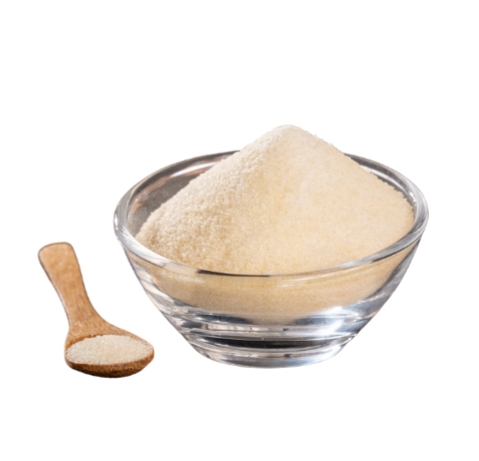
For factories searching for dependable raw materials, choosing the right gelatin powder suppliers in TÜRKİYE is not simply a purchasing decision; it is a strategic choice that affects product quality, production efficiency, regulatory compliance, and long-term profitability. MT Royal helps manufacturers navigate this complex market by connecting businesses with reliable gelatin solutions from multiple brands at competitive prices, allowing factories to focus on production instead of constantly chasing uncertain supply chains.
Gelatin is one of those industrial ingredients that appears simple until production begins. A fine white or slightly yellow powder can determine whether a confectionery product has the perfect texture, whether a capsule performs correctly, or whether a dairy formulation remains stable during its shelf life. In large-scale manufacturing, gelatin is not just an ingredient; it is a functional tool that influences the entire production process.
The growing demand for gelatin-based products across food, pharmaceutical, cosmetics, and technical industries has made supplier selection more important than ever. Manufacturers today need more than attractive pricing. They need consistency, documentation, technical support, delivery reliability, and a partner who understands industrial requirements.
This guide explores how to evaluate gelatin powder suppliers in TÜRKİYE, what factories should consider before purchasing, common sourcing mistakes, technical factors affecting gelatin performance, and why a professional supplier relationship can become a competitive advantage.
LATAMARKO LM60 – Premium Spanish-Origin Cocoa Powder
latamarko alkalized cocoa powder lm60
cocoa powder for chocolate production-Best price
Food industry raw materials – list of products
Types of Gelatin from Turkish Manufacturer
Understanding Gelatin Powder and Its Industrial Importance
Gelatin is a natural protein obtained through controlled hydrolysis of collagen, which is primarily found in animal connective tissues such as skin, bones, and cartilage. During manufacturing, collagen structures are transformed into gelatin, creating a versatile ingredient with unique gelling, thickening, stabilizing, and binding properties.
For industrial buyers, gelatin is usually evaluated according to several technical characteristics:
- Bloom strength
- Viscosity
- Particle size
- Moisture content
- Ash level
- Microbiological quality
- Color and clarity
- Solubility behavior
Among these factors, Bloom value is one of the most recognized quality indicators. It measures the strength of the gel formed by gelatin. Depending on the application, manufacturers may require low, medium, or high Bloom gelatin.
For example, a confectionery producer making gummy candies may prioritize elasticity and firmness, while a pharmaceutical capsule manufacturer may focus on purity, transparency, and controlled performance.
The global gelatin market continues to expand as consumers demand more functional foods, dietary supplements, and convenient pharmaceutical formats. Industry analyses have estimated that the worldwide gelatin market is growing steadily each year, supported by increased consumption of collagen-based products and clean-label ingredients.
For factories, this growth creates both opportunities and challenges. More demand means more supplier options, but also a greater need for careful evaluation.
Why Choosing the Right Gelatin Powder Suppliers in TÜRKİYE Matters
TÜRKİYE has become an important hub for ingredient sourcing due to its strategic location between Europe, Asia, and the Middle East. Its developed food manufacturing sector, improving logistics infrastructure, and access to international markets have increased interest in Turkish suppliers and distributors.
However, not every supplier offers the same level of reliability. A factory purchasing several tons of gelatin powder cannot afford inconsistent batches or unexpected delays. A small variation in raw material quality can create major problems on a production line.
A reliable gelatin supplier should provide:
Consistent Product Quality
Industrial production depends on repeatability. If gelatin behaves differently from one shipment to another, production teams may need to adjust formulas, temperatures, mixing times, or processing conditions.
Consistency reduces waste and protects brand reputation.
Proper Technical Documentation
Professional manufacturers should expect complete documentation, including:
- Certificate of Analysis (COA)
- Technical Data Sheet (TDS)
- Safety information when required
- Origin details
- Quality certifications
- Microbiological specifications
Documentation is not paperwork for the sake of paperwork. It is the passport that allows raw materials to move smoothly through quality control departments.
Reliable Supply Capacity
A supplier that can provide a sample today but cannot support regular industrial volumes tomorrow is not a long-term solution. Production planning requires confidence.
MT Royal works with multiple brands, giving factories access to different supply options depending on their technical needs, volume requirements, and budget considerations.
How to Evaluate Gelatin Powder Suppliers in TÜRKİYE Before Purchasing
Many procurement teams focus heavily on price during supplier selection. While cost matters, the lowest quotation is not always the most economical choice.
A cheaper gelatin powder that causes production delays, rejects, or formulation problems can become an expensive bargain.
When comparing suppliers, consider the following factors:
1. Product Specification Matching
The first question should not be “How much does it cost?” but “Does this gelatin match our production requirements?”
Important questions include:
- What Bloom strength is required?
- Is the gelatin intended for food, pharmaceutical, or cosmetic use?
- What origin requirements exist?
- Does the factory need halal, kosher, or other certifications?
- What packaging format is suitable?
A supplier that understands your application can recommend the correct grade instead of simply selling available stock.
2. Supply Chain Transparency
Modern factories increasingly value transparency. They want to know where products come from, how quality is controlled, and whether supply risks are managed.
A transparent supplier relationship helps manufacturers avoid unpleasant surprises, especially during periods of market instability.
3. Technical Communication
Good suppliers do not disappear after sending a quotation. They support the buyer during product selection, testing, and scaling.
In our collaboration with various factories, we have seen that technical communication often becomes the difference between a smooth launch and months of unnecessary adjustments.
Common Mistakes Factories Make When Sourcing Gelatin Powder
Even experienced procurement teams can make mistakes when purchasing specialized ingredients. The following issues are among the most common.
Choosing Only Based on Price
Price comparison is necessary, but price alone cannot determine value.
A factory should calculate the total purchasing impact, including:
- Material consistency
- Production efficiency
- Storage requirements
- Rejection risk
- Delivery reliability
The cheapest supplier may not be the cheapest solution.
Ignoring Application-Specific Requirements
Gelatin for gummy products is not automatically suitable for every application. Pharmaceutical gelatin, food-grade gelatin, and technical gelatin may have different specifications.
Using the wrong type can affect texture, stability, appearance, and regulatory approval.
Buying Without Testing Samples
Large-scale purchasing without proper evaluation is risky. A small laboratory trial can prevent major production problems.
Before approving a supplier, factories should test:
- Dissolution behavior
- Gel strength
- Final product texture
- Compatibility with existing formulations
Overlooking Storage Conditions
Although gelatin powder is stable when properly stored, humidity and poor warehouse conditions can affect quality over time.
Factories should maintain:
- Dry storage areas
- Controlled humidity
- Proper packaging protection
- First-in, first-out inventory practices
A warehouse is not just a room full of bags; it is the quiet guardian of production continuity.
Technical Factors That Influence Gelatin Performance
Professional buyers should understand the technical details behind gelatin functionality.
Bloom Strength
Bloom strength determines gel firmness. Higher Bloom gelatin generally creates stronger gels and may reduce the amount required in some formulations.
Viscosity
Viscosity affects processing behavior. It influences flow characteristics, coating performance, and final product texture.
Particle Size
Fine gelatin powder usually dissolves more efficiently, which can improve processing speed and reduce mixing problems.
Purity and Microbiological Control
Food and pharmaceutical manufacturers require strict quality standards. Controlled microbial levels and consistent purity are essential for consumer safety and regulatory compliance.
Animal Origin Considerations
Gelatin can be produced from different sources, including bovine, porcine, and fish origins. The correct choice depends on product requirements, market expectations, and certification needs.
Industrial Applications of Gelatin Powder
Gelatin is used across multiple sectors because of its multifunctional properties.
Food Manufacturing
In food production, gelatin is widely used for:
- Gummies
- Marshmallows
- Desserts
- Dairy products
- Jellies
- Stabilized formulations
Its ability to create desirable texture makes it valuable for manufacturers seeking premium product characteristics.
Pharmaceutical Production
Pharmaceutical companies use gelatin for:
- Hard capsules
- Soft capsules
- Encapsulation applications
In this sector, purity, documentation, and regulatory compliance become especially important.
Cosmetics and Personal Care
Gelatin and collagen-derived ingredients are used in certain beauty and personal care formulations because of their protein characteristics.
Nutraceutical Products
The rising popularity of collagen supplements has increased demand for high-quality gelatin and related ingredients. Manufacturers producing supplements require suppliers who understand both technical specifications and market trends.
Practical Tips for Large-Scale Gelatin Purchasing
Factories purchasing industrial quantities should develop a structured sourcing strategy.
Build Supplier Relationships, Not Just Transactions
Long-term cooperation creates better communication, improved planning, and faster problem-solving.
Request Technical Support Early
Do not wait until production problems appear. Discuss your application before ordering.
Maintain Alternative Supply Options
Even strong supplier relationships should include contingency planning. Market conditions, transportation issues, and raw material availability can change quickly.
Compare Multiple Brands Carefully
Different brands may offer similar specifications with different advantages in consistency, availability, or pricing.
MT Royal supports manufacturers by offering access to multiple brands, helping businesses compare options according to their production goals rather than being limited to a single source.
Emerging Trends Affecting Gelatin Supply and Manufacturing
The gelatin industry is evolving alongside broader manufacturing trends.
Demand for Clean-Label Ingredients
Consumers increasingly prefer products with recognizable ingredients. This trend has encouraged manufacturers to explore natural functional ingredients such as gelatin.
Greater Focus on Traceability
Factories are demanding clearer supply chain information. Traceability is becoming a standard expectation rather than an optional feature.
Growth of Functional Foods
The expansion of protein-based nutrition, supplements, and wellness products continues to increase demand for collagen-related ingredients.
More Flexible Global Sourcing
Manufacturers are becoming more strategic by combining local availability with international supplier networks.
Frequently Asked Questions About Gelatin Powder Suppliers in TÜRKİYE
What should factories check before choosing gelatin powder suppliers in TÜRKİYE?
Factories should evaluate product specifications, certifications, supply reliability, technical support, pricing structure, and the supplier’s ability to provide consistent industrial quantities.
Is higher Bloom gelatin always better?
Not necessarily. Higher Bloom strength is not automatically suitable for every application. The correct gelatin depends on the desired texture, formulation, and manufacturing process.
How should gelatin powder be stored?
Gelatin should generally be stored in a dry environment away from excessive humidity and direct contamination risks. Proper storage helps maintain performance.
Can one gelatin type be used for different industries?
Some gelatin grades have broad applications, but industrial sectors often require specific standards. Food, pharmaceutical, and cosmetic applications may have different quality expectations.
Why work with a supplier offering multiple brands?
Multiple brand options allow factories to compare quality, availability, and pricing while selecting the solution that best matches their operational needs.
A Professional Approach to Selecting Your Gelatin Partner
Choosing gelatin powder suppliers in TÜRKİYE should be treated as part of your factory’s quality strategy, not simply as a purchasing activity. The right supplier contributes to smoother production, stronger product consistency, and better planning.
Manufacturers that invest time in supplier evaluation usually gain more than a raw material source. They gain a technical partner who understands their challenges and supports their growth.
We have found that successful industrial sourcing is built on three foundations: reliable quality, clear communication, and realistic long-term cooperation. When these elements work together, gelatin becomes more than an ingredient; it becomes a dependable part of your production advantage.
MT Royal continues to support factories by providing access to multiple gelatin brands at competitive prices while helping buyers make informed decisions based on technical requirements and commercial goals. In a market where every production detail matters, choosing the right supplier can be the difference between simply filling orders and building a stronger manufacturing future.



No comment