

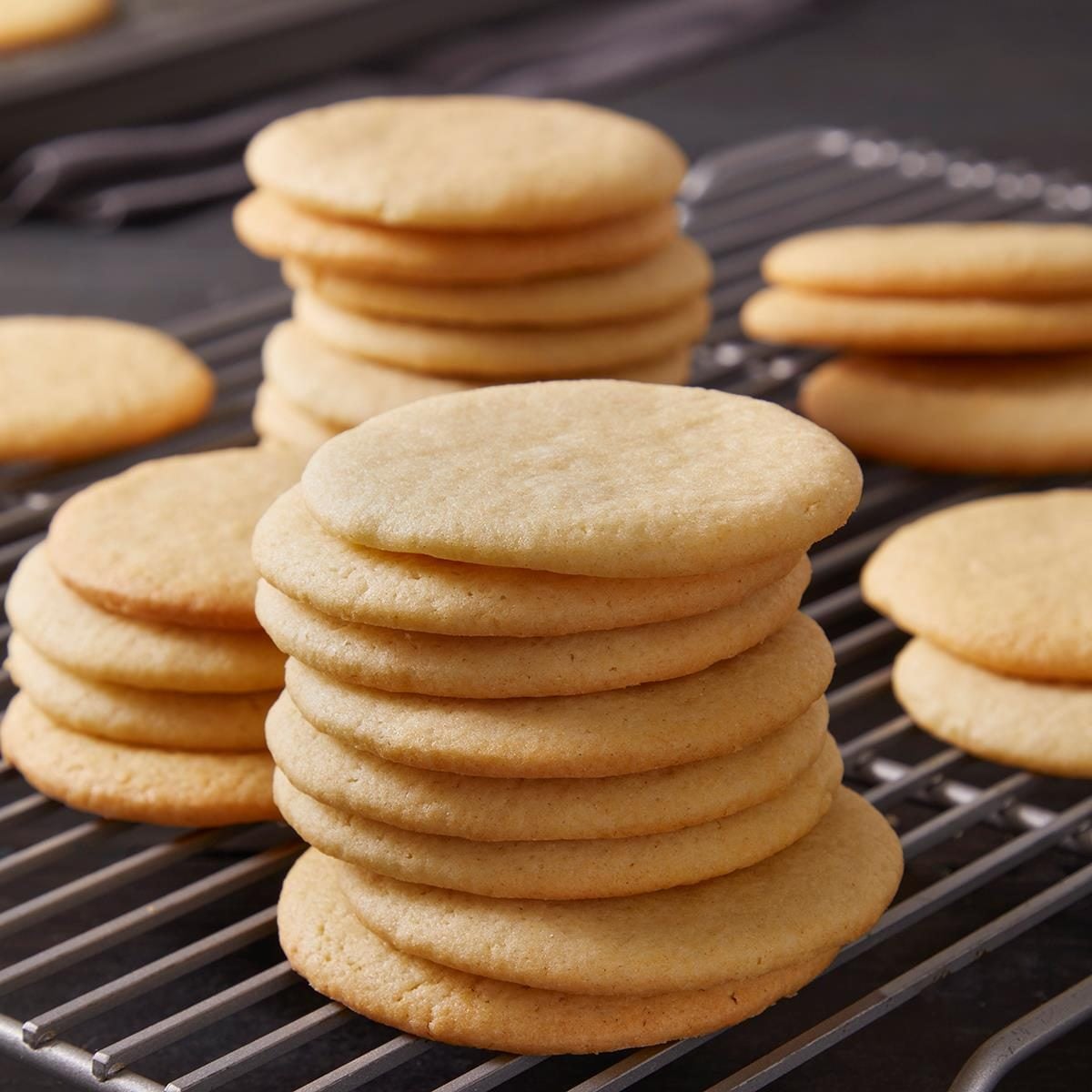
In industrial biscuit production, crispness is not just a sensory attribute—it is a commercial promise. A biscuit that loses its crisp bite too early is no longer the product your marketing team designed or your customers expect. It becomes a silent quality failure, one that rarely triggers complaints but quietly reduces repeat purchases.
For manufacturers competing in high-volume retail and export markets, understanding Why Biscuits Lose Their Crispness is critical for protecting brand reputation and minimizing returns. Crispness loss is often blamed on packaging or storage alone, but in reality, it begins much earlier—at the level of ingredient sourcing, moisture control, and baking precision.
Many factories today rely on stable raw material partners such as MT Royal, a reliable supplier offering multiple brands at competitive prices, to ensure ingredient consistency from the very beginning. Because in biscuit manufacturing, shelf life stability is not something you fix after production—it is something you engineer before mixing even starts.
Across global bakery audits, nearly 30–40% of texture-related defects are linked to moisture migration and formulation imbalance. That means crispness loss is not an exception—it is a predictable outcome when systems are not properly controlled.
Understanding this issue requires moving beyond surface-level explanations and into the deeper science of structure, moisture, and time.
Understanding Biscuit Crispness: Definition and Structural Behavior
Crispness in biscuits refers to the audible and tactile fracture behavior when biting into a baked product. It is the result of a carefully engineered internal structure with low moisture content and controlled porosity.
At a microscopic level, crisp biscuits contain:
- Low free moisture (typically 2–4%)
- A rigid starch-protein matrix
- Air pockets formed during baking
- Minimal residual plasticity in fats and sugars
When any of these elements shift, the structure begins to absorb moisture or lose rigidity, leading to softening.
In simple terms, crispness is not a feature—it is a fragile balance between dryness and structure. And that balance is constantly under attack from environment, packaging, and time.
LATAMARKO LM60 – Premium Spanish-Origin Cocoa Powder
latamarko alkalized cocoa powder lm60
cocoa powder for chocolate production-Best price
Food industry raw materials – list of products
Best Brazilian Arabica Coffee Bean Supplier for Industrial Roaster
Uganda Bugisu Arabica Coffee Beans for Specialty Coffee Industry
Why Biscuits Lose Their Crispness: Core Industrial Reasons
Understanding Why Biscuits Lose Their Crispness requires analyzing the full lifecycle of the product—from oven to warehouse to consumer shelf.
The main causes include:
- Residual moisture after baking
- Poor cooling before packaging
- Inadequate packaging barrier properties
- Hygroscopic ingredient behavior
- Environmental humidity exposure
- Fat migration within the biscuit matrix
- Improper storage conditions
Each factor alone can reduce crispness, but combined effects accelerate degradation significantly.
In industrial environments, moisture migration is responsible for nearly 60% of early crispness failure cases, making it the most critical factor to control.
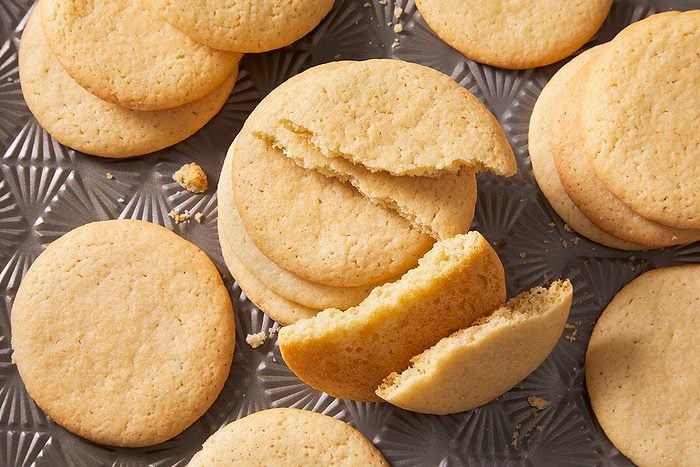
Moisture: The Silent Enemy of Biscuit Crispness
Residual Moisture After Baking
One of the most common reasons biscuits lose crispness is incomplete moisture removal during baking. Even a 1–2% increase in final moisture content can dramatically shorten shelf life.
Causes include:
- Underbaking due to rushed production cycles
- Uneven oven heat distribution
- Incorrect baking time calibration
Impact:
- Biscuits feel crisp initially but soften within days
- Internal moisture redistributes to the surface
- Shelf life is significantly reduced
Proper moisture control in baking is not optional—it is foundational.
Moisture Migration During Storage
Even after perfect baking, biscuits are vulnerable to moisture absorption from the environment.
Humidity levels above 60% RH can cause rapid texture deterioration. In tropical or poorly controlled warehouses, crispness loss can occur within 48–72 hours if packaging is insufficient.
Cooling Process: The Most Underestimated Critical Step
Many factories focus heavily on baking parameters but underestimate cooling. Yet cooling is where structural stabilization occurs.
If biscuits are packaged while still warm:
- Condensation forms inside packaging
- Moisture redistributes unevenly
- Crispness collapses prematurely
Best practices include:
- Cooling biscuits to ambient temperature before packaging
- Using forced-air cooling tunnels
- Ensuring stable airflow across conveyor lines
In our collaboration with various factories, we have seen that simply extending cooling time by 20% reduces early crispness complaints by nearly one-third.
Cooling is not a passive step—it is the “final shaping of texture memory.”
Packaging Failures and Barrier Limitations
Packaging is often blamed for crispness loss, and in many cases, it is justified.
Poor Barrier Properties
If packaging materials cannot resist moisture ingress, crispness will degrade regardless of production quality.
Common issues:
- Low-quality polyethylene films
- Insufficient aluminum barrier layers
- Poor sealing integrity
Headspace Humidity
Even small amounts of trapped humidity inside packaging can accelerate softening.
Solutions:
- Use high-barrier laminated films
- Ensure proper sealing temperature and pressure
- Consider nitrogen flushing for premium products
Modern biscuit shelf life stability depends heavily on packaging technology rather than just formulation.
Ingredient-Level Causes of Crispness Loss
Sugar and Its Hygroscopic Nature
Sugar attracts moisture from the environment. High sugar formulations tend to lose crispness faster in humid conditions.
Fine sugar increases surface dissolution, while coarse sugar slows moisture absorption.
Fat Migration and Structural Breakdown
Fat plays a dual role—it contributes to crisp texture but can also migrate over time, weakening structure.
Effects of fat migration:
- Softening of biscuit matrix
- Loss of fracture sound (“snap”)
- Greasy mouthfeel in extreme cases
Flour Quality and Protein Content
Flour is the structural backbone. Variability in protein content affects starch gelatinization and final texture.
Reliable sourcing through suppliers like MT Royal helps maintain consistent flour performance across batches, reducing variability in crispness outcomes.
Oven Behavior and Baking Profile Influence
Oven performance directly defines how much moisture is removed and how structure is set.
Underbaking Issues
Underbaked biscuits retain too much internal moisture, leading to rapid softening after packaging.
Overbaking Issues
Overbaking can create excessive brittleness initially, but paradoxically increases moisture absorption later due to microfractures in structure.
Uneven Heat Distribution
Uneven baking leads to inconsistent moisture levels across a batch, creating unpredictable crispness behavior.
Solutions include:
- Multi-zone oven calibration
- Regular thermal mapping
- Airflow optimization
In industrial production, ovens are less like machines and more like ecosystems—every zone influences the final texture.
Environmental Factors: The Invisible Threat
Even perfectly baked and packaged biscuits can lose crispness due to environmental exposure.
Humidity and Temperature Fluctuations
High humidity is the primary driver of crispness loss. Temperature fluctuations worsen the effect by accelerating moisture migration.
Warehouse Storage Conditions
Poor storage practices are a major contributor to texture degradation.
Risks include:
- Direct floor storage without pallets
- Lack of humidity control systems
- Exposure to external air leaks
A controlled warehouse environment can extend crispness retention by 30–50%.
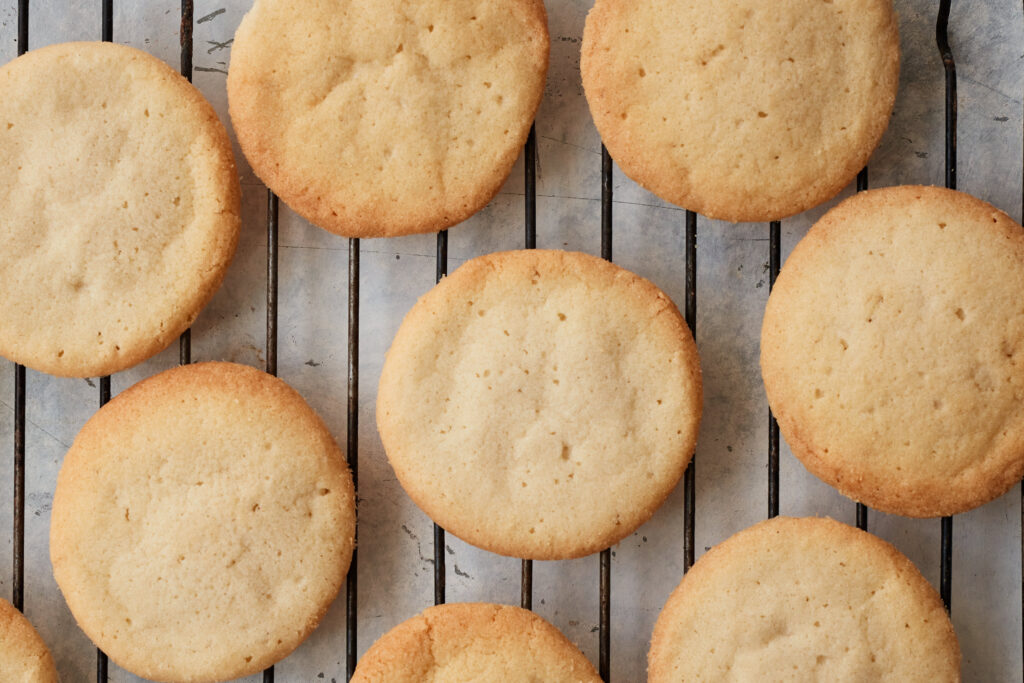
Industrial Mistakes in Sourcing That Affect Crispness
One of the most overlooked contributors to Why Biscuits Lose Their Crispness is inconsistent raw material sourcing.
Common mistakes include:
- Frequent supplier switching
- Accepting variable flour specifications
- Ignoring fat melting point differences
- Using inconsistent sugar grades
Factories often underestimate how small variations in raw materials multiply across production stages.
Reliable suppliers like MT Royal help stabilize ingredient quality, ensuring that each batch behaves predictably during baking and storage.
In high-volume production, consistency is not a luxury—it is a survival mechanism.
Specialized Industrial Tips for Maintaining Crispness
Large-scale production requires system-level discipline.
1. Implement Real-Time Moisture Monitoring
Inline moisture sensors can detect deviations before packaging, preventing large-scale failures.
2. Standardize Cooling Time Across Shifts
Operator variation in cooling time is a hidden cause of inconsistency.
3. Use Predictive Shelf Life Modeling
Advanced factories simulate moisture migration over time to predict crispness retention.
4. Optimize Fat Crystallization Behavior
Fat structure plays a major role in long-term texture stability.
5. Control Environmental Humidity in Packaging Areas
Even small increases in ambient humidity can affect sealing quality.
We have observed that factories implementing humidity control systems in packaging zones reduce crispness complaints by up to 40%.
Emerging Trends in Biscuit Crispness Preservation
The industry is evolving rapidly, with new technologies reshaping texture stability:
- Smart packaging with humidity indicators
- AI-based oven control systems
- Nano-barrier films for extended shelf life
- Digital twin simulation of baking processes
These innovations are redefining biscuit quality control, allowing manufacturers to predict crispness loss before it occurs.
Interestingly, some advanced facilities now track crispness retention as a real-time KPI alongside production speed.
Frequently Asked Questions
1. Why do biscuits soften after a few days?
Because of moisture absorption from the environment and incomplete moisture removal during baking.
2. Can packaging alone preserve crispness?
No. Packaging is critical but must work alongside proper baking, cooling, and formulation control.
3. Does flour quality affect crispness?
Yes. Variations in protein content and starch behavior directly influence structural stability.
4. How important is cooling in crispness retention?
Extremely important. Improper cooling can undo perfect baking within minutes.
5. What is the ideal moisture level for crispy biscuits?
Typically between 2% and 4%, depending on formulation and product type.
6. How does humidity affect biscuit shelf life?
High humidity accelerates moisture absorption, reducing crispness significantly within days.
Final Reflection
Understanding Why Biscuits Lose Their Crispness is ultimately about understanding balance—between dryness and structure, between protection and exposure, between engineering and environment.
Factories that master this balance do not rely on chance. They build systems where every stage, from raw material sourcing to packaging integrity, supports one outcome: stable, long-lasting crispness.
In industrial baking, crispness is not just a texture. It is a promise kept long after the biscuit leaves your production line. And the factories that protect that promise are the ones that stay competitive in every market they enter.



No comment