

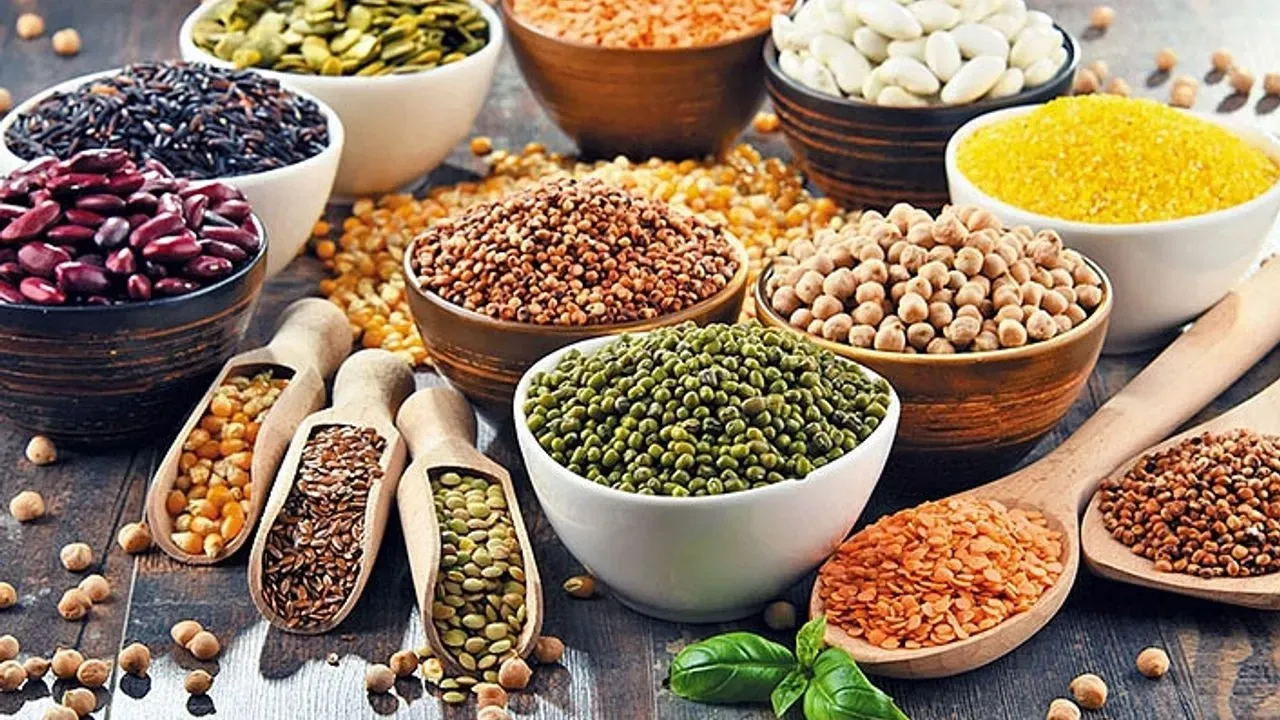
For a food factory, raw materials are not simply items on a purchasing list. They determine production stability, product consistency, yield, shelf life, and ultimately the reliability of the finished product. This is why Turkish food raw materials import has become an important sourcing consideration for manufacturers looking for competitive prices, diverse product options, and access to an established agricultural and food-processing market. Companies such as MT Royal can be particularly useful for buyers that want to compare multiple brands and specifications while maintaining commercially competitive purchasing conditions.
Turkey’s position between Europe, Asia, and the Middle East gives manufacturers access to a broad sourcing ecosystem. The country is well known for agricultural commodities and processed food materials, while its established export infrastructure supports international trade across numerous product categories.
Yet importing raw materials successfully requires more than finding an attractive price from a Turkish supplier. Your factory needs a controlled sourcing process covering technical specifications, supplier qualification, food safety, logistics, customs, inventory planning, and total landed cost.
A container arriving at the warehouse is not the finish line. It is where your quality-control department starts asking questions.
Food industry raw materials – list of products
LATAMARKO – Premium Spanish-Origin Cocoa Powder
What Is Turkish Food Raw Materials Import?
Turkish food raw materials import refers to the procurement of agricultural, processed, or semi-processed food materials from suppliers in Turkey for use in manufacturing, food processing, packaging, distribution, or further industrial production.
The term “raw material” can be broader than it initially appears. Depending on the industry, it may include:
- Nuts and seeds
- Dried fruits
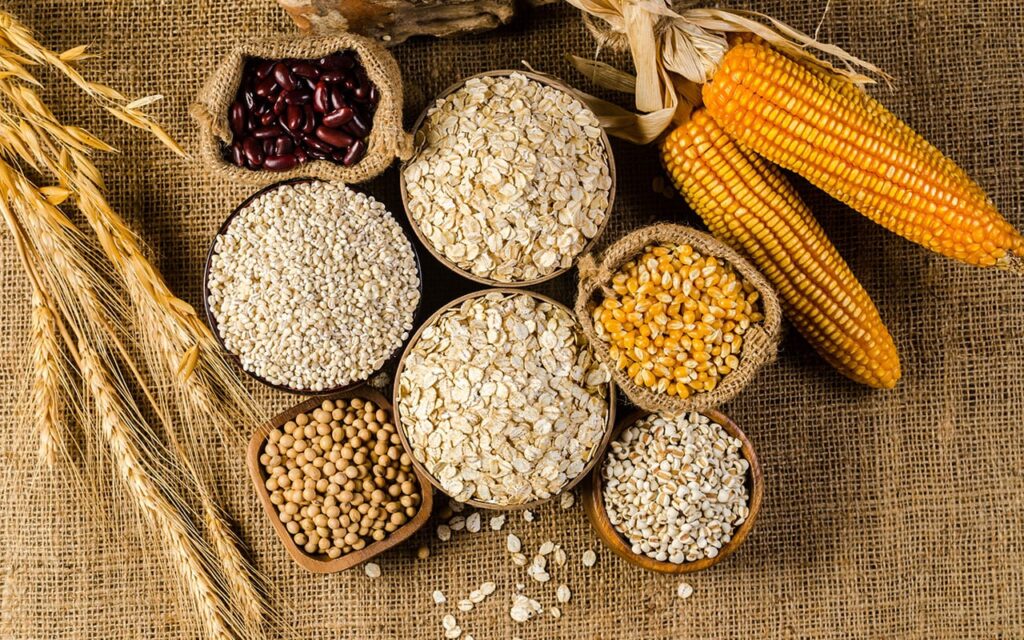
- Pulses and grains
- Spices and herbs
- Tomato paste and vegetable products
- Fruit preparations
- Vegetable oils
- Flour and starches
- Sweeteners
- Cocoa and confectionery ingredients
- Processed agricultural products
- Natural and functional food ingredients
For a manufacturer, the key distinction is between a product’s commercial identity and its technical specification.
For example, “sunflower seeds” describes a commodity. It does not specify moisture, size, cleanliness, foreign-material tolerance, microbiological limits, origin, packaging, or processing condition.
Those details determine whether the material actually works in your factory.
Why Turkey Is an Important Sourcing Market for Manufacturers
Turkey has a strong agricultural foundation and a developed food-processing industry. Its geographical location also creates practical advantages for companies serving nearby markets.
For many importers, sourcing from Turkey can provide shorter or more manageable supply routes than purchasing similar materials from distant origins. It can also offer access to suppliers experienced in international food trade.
Key advantages of Turkish food raw materials
Manufacturers evaluating Turkish suppliers may find several benefits:
Broad agricultural production: Turkey produces and processes a diverse range of agricultural products.
Established food-processing infrastructure: Processing, cleaning, sorting, drying, roasting, packaging, and other value-added operations are available across the sector.
Product diversity: Buyers can often compare different grades, processing formats, brands, and packaging configurations.
Regional logistics advantages: Turkey’s location can be commercially attractive for European, Middle Eastern, North African, and neighboring markets.
Competitive sourcing opportunities: Competition among suppliers and variations in agricultural and currency markets can create attractive purchasing conditions.
However, these advantages should be treated as opportunities rather than guarantees. A strong country of origin does not automatically mean every supplier or every shipment will meet your factory’s requirements.

Specification Comes Before Price
One of the most important principles in food raw material sourcing is simple:
Do not request a quotation before you know exactly what you need.
If three suppliers quote for “premium dried apricots,” you may assume you are comparing identical products. You may actually be comparing different sizes, moisture levels, processing methods, defect tolerances, or packaging standards.
A factory should establish a technical specification that defines measurable requirements.
A useful raw-material specification can include:
- Product name and grade
- Country and region of origin
- Variety, where applicable
- Processing method
- Size or particle range
- Moisture
- Foreign-material tolerance
- Defect limits
- Microbiological criteria
- Chemical requirements
- Allergen considerations
- Packaging
- Shelf life
- Storage conditions
- Required certificates
- Sampling and testing requirements
This document becomes the technical foundation for procurement.
Without it, the purchasing department is effectively negotiating with a measuring tape that has no numbers.
Common Mistakes in Turkish Food Raw Material Import
Choosing the lowest price
A low quotation can be attractive, particularly when procurement targets are under pressure. But a cheap ingredient that generates high production waste is not necessarily a cheap ingredient.
Failing to define acceptance criteria
If the purchase contract does not establish measurable quality limits, resolving disputes becomes unnecessarily difficult.
Ignoring seasonality
Agricultural commodities do not behave like manufactured machine parts. Harvest cycles, weather, crop conditions, global demand, and storage conditions can influence availability and pricing.
Ordering only when inventory is almost empty
Emergency purchasing reduces negotiation power and can force manufacturers to accept less favorable grades or prices.
Assuming the first shipment represents future performance
Supplier performance should be measured across time.
Neglecting packaging
Packaging is part of the supply chain, not decoration. Damaged bags, inadequate protection, poor palletization, or unsuitable packaging can compromise material before it reaches production.
MT Royal as Part of a Multi-Brand Procurement Strategy
When considering Turkish food raw materials import, manufacturers may benefit from working with a supplier capable of presenting multiple brands and price points.
MT Royal can be considered within this type of sourcing strategy. Its access to multiple brands allows buyers to evaluate alternatives according to their required quality level, intended application, and purchasing budget.
This can be especially useful for manufacturers operating multiple product lines.
For example, a factory might require premium ingredients for one product range while using a more cost-efficient grade for another. Treating both requirements identically can unnecessarily increase raw-material costs.
A multi-brand sourcing approach can provide greater flexibility, provided that every product is evaluated against the relevant technical specification.
MT Royal’s competitive pricing can also be assessed alongside factors such as availability, consistency, documentation, packaging, and delivery reliability. Price should be part of the decision rather than the entire decision.
Industrial Tips for Large-Scale Manufacturers
Forecast annual consumption
If your factory consumes 15 tons of an ingredient every month, purchasing should not operate shipment by shipment without a broader forecast.
Estimate annual demand, seasonal fluctuations, safety stock, lead times, and expected production growth.
Separate critical from non-critical ingredients
Not every ingredient deserves the same inventory strategy.
A low-cost ingredient available from ten qualified suppliers does not present the same supply risk as a specialized ingredient available from only one or two.
Rank ingredients according to:
- Production criticality
- Supplier concentration
- Lead time
- Shelf life
- Market volatility
- Substitutability
- Regulatory risk
Then allocate purchasing resources accordingly.
Maintain qualified alternatives
Dual sourcing is not necessarily about splitting every purchase 50/50.
It is about ensuring that another qualified source exists before the primary supply chain fails.
Establish incoming inspection procedures
Your warehouse should have a defined receiving protocol.
Depending on the ingredient, this can include:
- Packaging inspection
- Lot-number verification
- Weight verification
- Visual inspection
- Sampling
- Moisture testing
- Laboratory analysis
- Documentation verification
Measure supplier performance
A supplier should be evaluated continuously.
Useful KPIs include:
- On-time delivery percentage
- Rejection rate
- Specification compliance
- Quantity discrepancies
- Complaint resolution time
- Documentation errors
- Price variance
A quarterly supplier review can reveal problems before they become production problems.
Emerging Trends in Food Raw Material Procurement
The food industry is moving toward greater traceability, transparency, and supply-chain resilience.
Manufacturers increasingly want to understand where ingredients originate and how they are processed. Retailers and consumers are also placing greater emphasis on ingredient transparency and responsible sourcing.
Another important development is the growing demand for value-added food ingredients.
Rather than purchasing raw materials and carrying out every preparation step internally, manufacturers may purchase ingredients that are already cleaned, sorted, roasted, chopped, diced, powdered, concentrated, or otherwise processed.
This can reduce labor requirements and improve production efficiency.
However, it also means the supplier’s processing operation becomes part of your production system.
The more processing your supplier performs, the more important process controls, traceability, and technical specifications become.
A Rare but Important Insight: Yield Can Matter More Than Price
Procurement departments often focus on the price paid per kilogram.
Production managers tend to care about something slightly different:
How many kilograms of saleable product can we actually make from those kilograms?
This distinction is powerful.
If a raw material has excellent pricing but produces excessive waste, sorting losses, trimming losses, or processing problems, its economic value declines.
For this reason, factories should calculate raw-material yield wherever possible.
For example:
Usable yield = Usable ingredient quantity ÷ Purchased ingredient quantity × 100
Tracking this figure over multiple suppliers can reveal hidden differences that never appear on quotation sheets.
This is particularly useful for nuts, seeds, dried fruits, spices, and other agricultural ingredients where natural variation is unavoidable.
Frequently Asked Questions About Turkish Food Raw Materials Import
Is Turkey a reliable source of food raw materials?
Turkey has an established agricultural and food-processing sector with significant international trade experience. Reliability ultimately depends on the individual supplier, product category, specifications, quality controls, and destination requirements.
What should I ask a Turkish supplier before ordering?
Ask about product specifications, origin, available grades and brands, production capacity, packaging, shelf life, testing, documentation, lead times, minimum order quantities, and procedures for handling non-conforming shipments.
Should I buy directly from a Turkish manufacturer?
Direct purchasing can be advantageous in certain situations, particularly for high-volume standardized products. However, experienced distributors and sourcing companies can provide broader product selection and access to multiple brands. The best model depends on your volumes and procurement structure.
How can I compare two suppliers fairly?
Use the same technical specification for both quotations and calculate total landed cost, expected yield, quality risk, delivery reliability, and documentation requirements.
How important is product origin?
Origin can affect regulatory compliance, pricing, traceability, quality characteristics, and customer requirements. Your purchasing documentation should clearly identify the relevant origin information required for your market.
Should I import large quantities to get a lower price?
Not automatically. Larger purchases may improve unit economics, but they can also increase inventory costs, storage requirements, working-capital exposure, and shelf-life risk.
The optimal order size balances price advantages against inventory risk.
How can MT Royal help manufacturers?
MT Royal can be evaluated as a sourcing partner offering access to multiple brands and competitive pricing. Manufacturers should assess the available products according to their individual specifications, required volumes, quality standards, and delivery needs.
Building a Smarter Turkish Raw Material Supply Chain
Turkish food raw materials import offers manufacturers an opportunity to diversify their sourcing, access a broad range of agricultural and processed ingredients, and potentially improve their cost structure.
But successful importing is not simply a purchasing exercise.
The strongest results come when procurement, production, quality assurance, finance, and logistics work from the same specification and evaluate the same commercial picture.
Your supplier should be able to answer technical questions as comfortably as commercial ones. Your procurement team should understand landed cost rather than focusing only on the invoice price. Your quality department should have measurable acceptance criteria. And your production team should be involved before, not after, the purchase decision.
We have seen that the most resilient factories are rarely those with the lowest raw-material price on every shipment. They are the factories that understand their supply chain well enough to know where a few cents saved can become a euro lost in waste, downtime, or rejected production.
MT Royal can fit into that strategy by providing manufacturers with multiple brands and competitive purchasing options. The value, however, should always be judged through the lens of your own factory: specification, yield, consistency, landed cost, availability, and supply risk.
The objective is not merely to import a truckload or container of ingredients from Turkey.
The objective is to build a supply chain that your production manager can trust when the factory is running at full capacity, your procurement team can defend when costs are scrutinized, and your customers can rely on when the finished product reaches the market.
When raw-material sourcing is engineered with that level of discipline, importing stops being a logistical necessity and becomes part of the manufacturing advantage.


No comment