

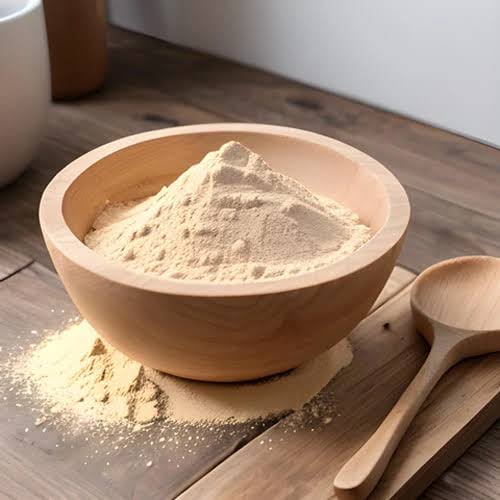
The ready-to-eat (RTE) food industry continues to expand as consumers demand convenient meals without compromising quality, nutrition, or taste. For manufacturers, this growing market creates both opportunities and challenges. Every ingredient must contribute to product stability, consistent flavor, production efficiency, and cost control while meeting increasingly strict quality standards. Among the functional dairy ingredients used in modern food processing, Demineralized Whey Powder for Ready-to-Eat Foods has become an increasingly valuable solution for factories seeking to improve product performance without significantly increasing production costs.
Choosing the right ingredient supplier is just as important as selecting the ingredient itself. Companies such as MT Royal, which supplies multiple internationally recognized brands at competitive prices, help manufacturers maintain flexibility in sourcing while ensuring consistent quality across different production batches. In our collaboration with various food manufacturers, we have seen that selecting the appropriate grade of demineralized whey powder often delivers greater improvements than simply increasing expensive dairy solids or protein concentrates.
Whether your factory produces instant soups, frozen meals, prepared sauces, bakery fillings, snack coatings, mashed potato mixes, or complete ready meals, understanding how demineralized whey powder functions inside complex food systems can directly influence profitability, production efficiency, and customer satisfaction.
LATAMARKO LM60 – Premium Spanish-Origin Cocoa Powder
latamarko alkalized cocoa powder lm60
cocoa powder for chocolate production-Best price
Food industry raw materials – list of products
Best Brazilian Arabica Coffee Bean Supplier for Industrial Roaster
Uganda Bugisu Arabica Coffee Beans for Specialty Coffee Industry
Understanding Demineralized Whey Powder for Ready-to-Eat Foods
Demineralized whey powder is produced by removing a significant portion of the minerals naturally present in liquid whey before concentrating and spray drying it into a fine powder. Depending on production requirements, different levels of mineral removal are available, including 40%, 50%, 70%, and 90% demineralization.
The reduction of mineral content creates a dairy ingredient with a cleaner flavor profile, lower salt intensity, improved functionality, and greater compatibility with sensitive food formulations.
Unlike standard whey powder, demineralized whey powder contributes milk solids without introducing excessive mineral content that may interfere with flavor balance, protein interactions, or product stability.
For manufacturers producing ready-to-eat foods, this characteristic provides considerable formulation flexibility while helping maintain consistent product quality during large-scale production.
Why Ready-to-Eat Food Manufacturers Choose Demineralized Whey Powder
Modern consumers expect ready meals to taste freshly prepared despite industrial manufacturing processes.
Meeting these expectations requires ingredients capable of performing multiple functions simultaneously.
Demineralized whey powder provides several important advantages throughout industrial food production.
- It improves creaminess without excessive fat addition. This enables manufacturers to create richer mouthfeel while maintaining nutritional targets and controlling ingredient costs.
- It contributes dairy solids that enhance flavor development naturally rather than relying solely on artificial flavor systems.
- It supports improved texture in soups, sauces, mashed potato products, and prepared meals by increasing body and reducing watery consistency.
- It enhances browning characteristics in products that undergo baking or reheating, creating more attractive finished meals.
- It assists with moisture management, helping products remain appealing after storage and reheating.
- It offers excellent dispersion properties, making it suitable for automated industrial mixing systems with minimal processing complications.
Rather than serving as a single-function ingredient, demineralized whey powder often performs several technological roles simultaneously, making it especially attractive for high-volume manufacturers.
Functional Properties That Matter in Industrial Production
Large-scale production facilities evaluate ingredients differently from small food businesses.
Instead of asking whether an ingredient simply works, procurement teams evaluate consistency across thousands of production batches.
Demineralized whey powder contributes several functional characteristics that directly affect manufacturing efficiency.
Excellent Solubility
High-quality demineralized whey powder dissolves rapidly during mixing operations.
This reduces production downtime, minimizes lump formation, and improves mixing efficiency inside automated processing systems.
Factories operating continuous production lines particularly benefit from ingredients that hydrate quickly without extended mixing times.
Mild Dairy Flavor
The reduced mineral content creates a cleaner dairy taste.
This allows product developers to formulate delicate recipes without excessive salty or mineral aftertastes that could interfere with herbs, vegetables, spices, or meat flavors.
Improved Texture Stability
Texture remains one of the most important quality indicators in ready meals.
Consumers may forgive slight flavor variations, but they quickly notice grainy sauces, separated soups, or dry mashed potato products.
Demineralized whey powder helps stabilize texture throughout storage, transportation, and reheating.
Better Ingredient Compatibility
Modern ready meals contain complex ingredient systems.
Proteins, starches, hydrocolloids, fats, seasonings, emulsifiers, vegetables, and meat ingredients all interact during processing.
Demineralized whey powder generally integrates well with these components, simplifying formulation work for research and development teams.
Applications Across the Ready-to-Eat Food Industry
One reason for the growing popularity of demineralized whey powder is its remarkable versatility.
Rather than limiting manufacturers to one product category, it performs effectively across numerous industrial applications.
Instant Soups
Instant soup manufacturers use demineralized whey powder to improve body, enhance creaminess, and deliver balanced dairy notes without excessive salt contribution.
It also supports smoother reconstitution when consumers prepare soups using hot water.
Frozen Ready Meals
Frozen meals undergo considerable stress during freezing, storage, transportation, and reheating.
Demineralized whey powder contributes moisture retention and helps preserve desirable texture throughout the product’s shelf life.
Prepared Sauces
Cream-based sauces require stable emulsions and pleasant mouthfeel.
The functional dairy solids supplied by demineralized whey powder help create smoother sauces with consistent viscosity.
Mashed Potato Products
Instant mashed potatoes frequently benefit from additional dairy solids.
Demineralized whey powder contributes richness while improving texture and flavor during reconstitution.
Pasta Meals
Prepared pasta dishes often include cheese sauces or creamy seasonings.
Demineralized whey powder enhances these formulations without dramatically increasing formulation costs.
Rice-Based Ready Meals
Rice products sometimes suffer from dryness after reheating.
The moisture-binding characteristics of dairy solids help improve eating quality while maintaining production efficiency.
Quality Parameters Procurement Teams Should Evaluate
Purchasing decisions should never focus exclusively on price.
A lower-cost ingredient may ultimately increase production costs through inconsistent quality, reduced yield, or formulation adjustments.
Several quality indicators deserve careful attention.
Degree of Demineralization
Different food applications require different mineral reduction levels.
Higher demineralization typically produces a cleaner flavor but may involve higher production costs.
The optimal choice depends on the intended formulation rather than simply selecting the highest specification available.
Microbiological Quality
Food safety remains non-negotiable.
Manufacturers should evaluate microbiological specifications carefully to ensure compatibility with finished product requirements and regulatory standards.
Protein Content
Protein contributes functionality beyond nutritional labeling.
Stable protein levels help maintain consistent product texture across production batches.
Moisture Content
Excessive moisture reduces storage stability.
Properly manufactured powder maintains low moisture content, improving shelf life and reducing caking during storage.
Particle Size Distribution
Uniform particle size supports efficient mixing, rapid hydration, and consistent processing performance.
Factories using automated dosing systems particularly appreciate powders with predictable flow characteristics.
Common Mistakes When Sourcing Demineralized Whey Powder
Industrial sourcing decisions influence far more than purchasing budgets.
Incorrect ingredient selection may affect production efficiency for months.
Several common mistakes continue to appear throughout the industry.
One frequent mistake is assuming all demineralized whey powders perform identically.
Although product names may appear similar, differences in mineral removal technology, drying conditions, protein quality, and manufacturing standards can significantly affect final product performance.
Another mistake involves focusing solely on price per metric ton.
Lower-priced materials sometimes require higher usage rates, offsetting apparent savings.
Unexpected production interruptions caused by inconsistent ingredient quality often become considerably more expensive than small differences in purchase price.
Some procurement teams also neglect supplier reliability.
Consistent deliveries remain essential for factories operating continuous production schedules.
Working with suppliers such as MT Royal, which offers multiple brands and flexible sourcing solutions, helps manufacturers reduce supply chain risks while maintaining formulation consistency.
In our experience supporting industrial buyers, maintaining dependable supply relationships frequently proves more valuable than achieving the absolute lowest purchase price.
Process Optimization Tips for Large-Scale Manufacturers
Ingredient performance depends not only on quality but also on processing conditions.
Factories can maximize the benefits of demineralized whey powder through careful process optimization.
Begin by controlling hydration temperature.
Excessively high temperatures during initial mixing may reduce functional performance in certain formulations.
Proper mixing sequence also deserves attention.
Adding demineralized whey powder after dry ingredient blending often improves dispersion and reduces lump formation.
Storage conditions should remain dry and temperature controlled.
Like many dairy powders, prolonged exposure to humidity may reduce flowability and complicate automated handling.
Regular supplier audits provide another valuable safeguard.
Even well-established suppliers should undergo periodic quality verification to ensure specifications remain consistent over time.
Market Trends Driving Demand
Several long-term trends continue increasing demand for demineralized whey powder throughout the global food industry.
Consumers increasingly seek convenient meals with improved nutritional profiles.
Manufacturers therefore require multifunctional ingredients capable of replacing more expensive dairy components while maintaining eating quality.
Clean-label formulation initiatives also encourage greater use of familiar dairy ingredients.
Although formulations vary by market, naturally derived dairy solids often fit more comfortably into consumer expectations than highly modified alternatives.
Global dairy ingredient trade continues expanding as food manufacturers diversify supply chains to reduce procurement risks.
Digital quality monitoring, enhanced traceability systems, and supplier certification programs have further strengthened confidence in internationally sourced dairy ingredients.
Industry analysts also expect continued investment in premium ready meals, where texture and flavor become key competitive differentiators.
Frequently Asked Questions
Which level of demineralization is most suitable for ready-to-eat foods?
There is no universal answer. Creamy soups, sauces, prepared meals, and bakery fillings may require different specifications depending on flavor sensitivity, nutritional targets, and formulation design.
Can demineralized whey powder replace skim milk powder?
In some formulations it can partially replace skim milk powder while delivering economic and functional benefits. However, successful substitution depends on recipe objectives and processing conditions.
Does it improve shelf life?
Although it is not a preservative, its contribution to moisture management and formulation stability can indirectly support consistent product quality throughout the intended shelf life.
Is it suitable for automated production lines?
Yes. High-quality demineralized whey powder typically offers excellent flowability, rapid hydration, and reliable dispersion, making it compatible with modern industrial processing equipment.
How should factories evaluate suppliers?
Procurement teams should examine product specifications, food safety certifications, production capacity, batch consistency, technical support, logistics capabilities, and long-term supply reliability instead of considering price alone.
Factories that consistently outperform competitors rarely achieve their success through one revolutionary ingredient. Instead, they build strong formulations using carefully selected raw materials that deliver reliable performance day after day, batch after batch. Demineralized Whey Powder for Ready-to-Eat Foods represents exactly this type of strategic ingredient—one that quietly improves texture, flavor, processing efficiency, and formulation flexibility across a wide range of products.
Combined with knowledgeable sourcing partners such as MT Royal, manufacturers can strengthen both production stability and supply chain resilience while positioning their ready-to-eat products for long-term success in an increasingly competitive global market.


No comment