

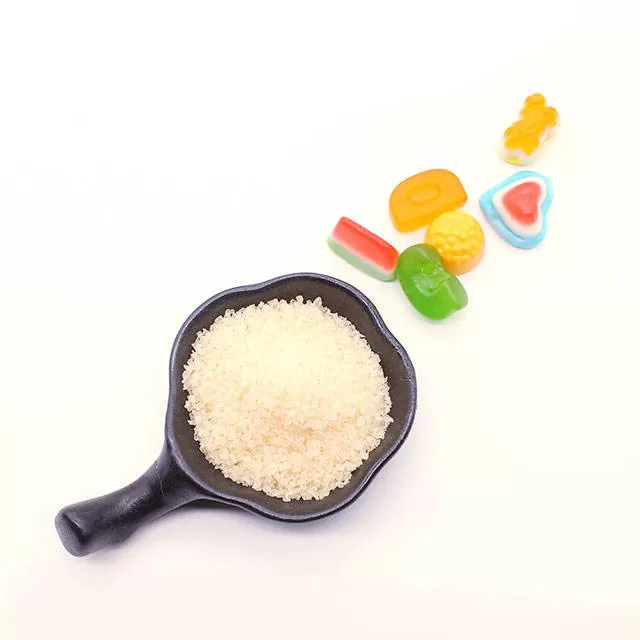
For factories producing confectionery products, choosing the right Gelatin Powder for Jellies is not simply a matter of selecting a functional ingredient; it is a decision that directly affects texture, stability, appearance, production efficiency, and customer satisfaction. At MT Royal, manufacturers can access reliable gelatin solutions from multiple brands with competitive pricing and supply support, helping businesses select ingredients that match their specific production requirements.
The jelly and gummy market has expanded significantly in recent years, driven by consumer demand for attractive textures, clean-label ingredients, and innovative confectionery products. Behind every successful jelly product is a carefully balanced formulation where gelatin plays one of the most important roles. The wrong gelatin type can lead to weak structure, excessive stickiness, poor mouthfeel, or inconsistent batches that increase production costs.
For industrial manufacturers, gelatin is much more than a thickening agent. It is a natural protein-based ingredient responsible for gel formation, elasticity, chewiness, and the characteristic melt-in-the-mouth sensation that consumers expect from premium jellies. Understanding gelatin quality, sourcing considerations, technical specifications, and application methods allows factories to make better purchasing decisions and improve their production results.
What Is Gelatin Powder for Jellies?
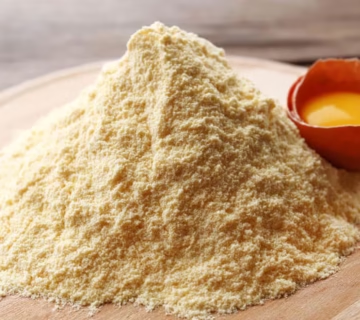
Gelatin Powder for Jellies is a purified protein ingredient obtained from collagen, a structural protein naturally found in animal connective tissues such as skin, bones, and cartilage. Through controlled extraction and purification processes, collagen is converted into gelatin, which has unique gelling properties.
In jelly manufacturing, gelatin works by forming a three-dimensional network that traps water molecules. When heated, gelatin dissolves into a liquid solution. As the mixture cools, the gelatin molecules reconnect and create a stable gel structure.
This ability makes gelatin essential in many confectionery applications, including:
- Fruit jellies
- Gummy candies
- Marshmallows
- Soft chews
- Functional gummies containing vitamins or supplements
- Dessert gels
Unlike some synthetic hydrocolloids, gelatin provides a distinctive combination of elasticity, clarity, and sensory quality. This is why many premium confectionery manufacturers continue to rely on gelatin-based formulations.
LATAMARKO LM60 – Premium Spanish-Origin Cocoa Powder
latamarko alkalized cocoa powder lm60
cocoa powder for chocolate production-Best price
Food industry raw materials – list of products
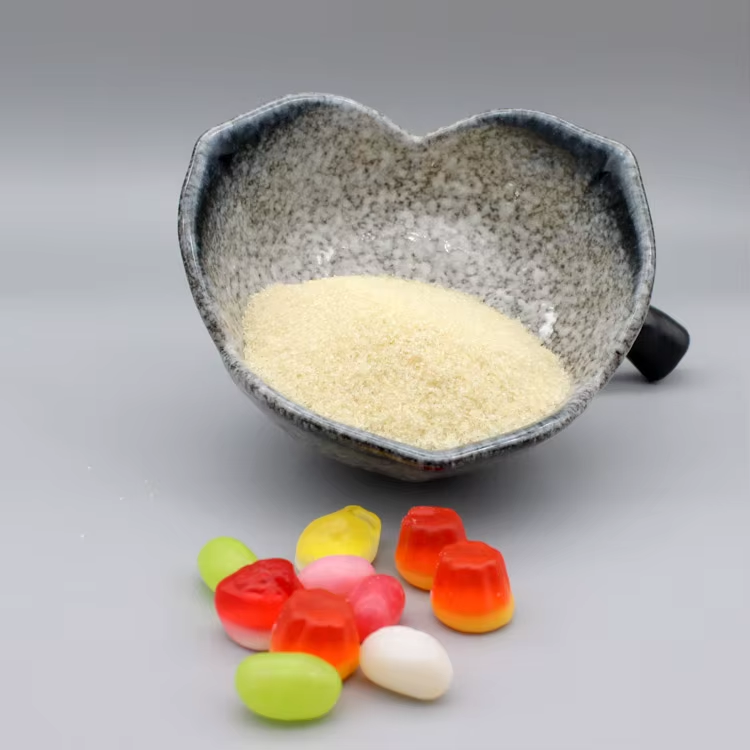
Why Gelatin Quality Matters in Jelly Production
In industrial jelly production, consistency is everything. A product that performs perfectly in laboratory testing but fails during large-scale manufacturing can create significant financial losses.
The quality of gelatin influences several important characteristics:
Texture and Elasticity
The most recognizable feature of a high-quality jelly is its texture. Consumers expect a product that is firm enough to hold its shape but soft enough to provide a pleasant chewing experience.
The gelatin bloom strength determines how firm and elastic the final product will be. Higher bloom gelatin generally produces stronger gels, while lower bloom options create softer textures.
Gel Strength and Stability
Gel strength is one of the primary technical parameters considered by manufacturers. It affects:
- Product firmness
- Cutting performance
- Shelf stability
- Resistance to temperature changes
- Packaging durability
A factory producing thousands of kilograms of jelly per day cannot rely on inconsistent raw materials. Small variations in gelatin quality can create noticeable differences between production batches.
Transparency and Appearance
Premium jellies often require bright colors and clear appearance. High-purity gelatin improves transparency, allowing manufacturers to create visually attractive products.
For brands competing in crowded confectionery markets, appearance is often the first factor influencing consumer choice.
The Role of Gelatin in Industrial Jelly Manufacturing
The production of gelatin-based jellies involves several carefully controlled stages. Each step requires proper ingredient management.
Gelatin Preparation
Before entering production, gelatin powder must be properly hydrated. The hydration process allows gelatin particles to absorb water and dissolve efficiently.
Incorrect hydration can result in:
- Undissolved particles
- Uneven gel formation
- Production delays
- Texture inconsistencies
Industrial manufacturers usually prepare gelatin solutions under controlled temperature conditions to maintain performance.
Mixing With Sugar, Syrups, and Other Ingredients
A typical jelly formulation may include:
- Sugar
- Glucose syrup
- Fruit concentrates
- Acids
- Flavoring compounds
- Coloring agents
- Gelatin
The balance between these ingredients determines the final characteristics of the product.
For example, excessive sugar solids may affect gelatin hydration, while incorrect acidity levels can reduce gel strength.
Cooling and Setting Process
After cooking and depositing, jelly products must cool under controlled conditions. Temperature fluctuations can influence final texture and production speed.
Factories with advanced process control systems can achieve better consistency by monitoring:
- Cooling temperature
- Humidity
- Setting time
- Product moisture content
Important Technical Factors When Buying Gelatin Powder for Jellies
Selecting gelatin for industrial use requires more than checking the price per kilogram. Procurement teams should evaluate multiple technical factors.
Bloom Strength: The Key Measurement of Gel Performance
Bloom strength measures the firmness of a gelatin gel. Common industrial gelatin grades may range from approximately 150 Bloom to 300 Bloom.
Higher bloom gelatin generally provides:
- Stronger gel formation
- Lower dosage requirements
- Better elasticity
- Improved stability
Lower bloom gelatin may be suitable for softer products where flexibility is more important.
The ideal bloom strength depends on the recipe, production process, and desired consumer experience.
Gelatin Type and Source
Gelatin is commonly classified based on its source and processing method.
The main categories include:
Bovine Gelatin
Bovine gelatin is derived from cattle sources and is widely used in confectionery manufacturing. It provides strong gel formation and good stability.
Porcine Gelatin
Porcine gelatin is also commonly used because of its excellent gelling performance and availability.
Fish Gelatin
Fish gelatin has gained attention due to demand for alternative sources and specific market requirements. However, it may have different gelling characteristics compared with mammalian gelatin.
Manufacturers should always select gelatin according to:
- Target market requirements
- Consumer preferences
- Regulatory standards
- Product positioning
Common Mistakes When Sourcing Gelatin for Jelly Factories
Many production challenges begin before manufacturing starts. Poor purchasing decisions can create problems that are difficult and expensive to correct later.
Choosing Based Only on Price
One of the most common mistakes is selecting the cheapest gelatin available without evaluating technical performance.
A lower-priced ingredient may appear attractive initially, but it can increase costs through:
- Higher dosage requirements
- Production failures
- Increased waste
- Quality complaints
The cheapest raw material is not always the most economical choice.
Ignoring Supplier Reliability
Gelatin is a critical ingredient. A factory cannot maintain stable production if shipments arrive late or product specifications change unexpectedly.
Reliable suppliers help manufacturers maintain:
- Consistent quality
- Stable inventory planning
- Technical communication
- Better cost management
MT Royal supports manufacturers by offering access to different gelatin brands and helping businesses compare suitable options based on their production needs.
Not Checking Documentation
Industrial buyers should carefully review supplier documentation, including:
- Technical data sheets
- Certificates of analysis
- Food safety documents
- Origin information
- Microbiological specifications
Professional sourcing reduces risks and improves long-term supply stability.
How to Select the Right Gelatin Powder for Jellies
Choosing the right gelatin requires a structured evaluation process.
Consider these factors before purchasing:
- Desired jelly firmness and chewiness
- Production temperature conditions
- Required shelf life
- Packaging method
- Target consumer expectations
- Regulatory requirements
- Cost efficiency
A gummy candy manufacturer producing premium products may require different gelatin specifications compared with a company producing economical jelly desserts.
Gelatin Powder for Jellies Compared With Other Gelling Agents
Although gelatin remains one of the most popular ingredients in jelly production, manufacturers sometimes compare it with alternative hydrocolloids.
Gelatin vs Pectin
Pectin is a plant-based gelling agent commonly used in fruit-based products.
Gelatin advantages:
- Superior elasticity
- Unique chewy texture
- Excellent mouthfeel
Pectin advantages:
- Suitable for vegetarian products
- Strong association with fruit formulations
The choice depends on product goals and consumer expectations.
Gelatin vs Agar
Agar creates firm gels and is derived from seaweed. However, its texture is usually more brittle compared with gelatin.
Gelatin provides:
- Better chewiness
- More flexible texture
- Pleasant melting sensation
For classic gummy and jelly candies, gelatin often remains the preferred choice.
Industrial Tips for Better Jelly Production
Large-scale manufacturers can improve efficiency by controlling several technical details.
Maintain Proper Hydration Time
Gelatin should have enough time to absorb water before heating. Rushing this stage may reduce performance.
Control Processing Temperature
Excessive heat exposure can negatively affect gelatin functionality. Controlled heating helps preserve gelling ability.
Monitor Moisture Content
Moisture levels influence:
- Texture
- Shelf life
- Microbial stability
- Consumer experience
A small moisture difference can change the entire product profile.
Test Pilot Batches Before Full Production
Before changing gelatin suppliers or formulations, factories should conduct controlled trials.
Pilot testing helps evaluate:
- Texture
- Flavor release
- Production speed
- Final appearance
We have seen in our collaboration with different manufacturers that small formulation adjustments during testing often prevent major production problems later.
Market Trends Influencing Gelatin Demand
The global confectionery industry continues to evolve, and gelatin demand is influenced by several important trends.
Growth of Functional Gummies
Vitamin gummies, collagen supplements, and wellness products have created new opportunities for gelatin suppliers. Consumers increasingly prefer supplements in enjoyable formats rather than traditional tablets.
Demand for Premium Texture
Modern consumers are more aware of product quality. Texture has become a major differentiating factor between standard and premium confectionery products.
Cleaner Ingredient Labels
Many brands are focusing on recognizable ingredients and transparent sourcing. This trend encourages manufacturers to carefully evaluate ingredient origins and quality standards.
Industry analysts estimate that the global gummy and jelly confectionery segment continues to experience steady growth, supported by innovation in flavors, shapes, and functional ingredients.
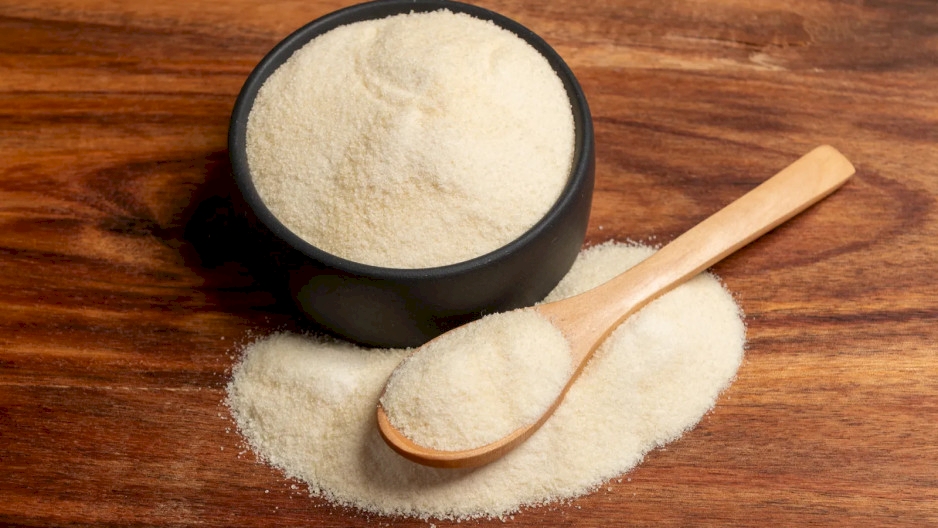
Why Professional Manufacturers Choose Reliable Gelatin Suppliers
A dependable supplier provides more than raw materials. The supplier becomes part of the production strategy.
Working with an experienced ingredient partner can help factories achieve:
- Better product consistency
- Reduced sourcing risks
- Access to multiple brands
- Technical consultation
- Competitive purchasing conditions
MT Royal works with manufacturers that require reliable ingredient sourcing and provides access to gelatin options suitable for different industrial applications.
Frequently Asked Questions About Gelatin Powder for Jellies
What is the best bloom strength for jelly production?
The ideal bloom strength depends on the desired texture. Many jelly and gummy manufacturers use medium to high bloom gelatin because it provides a balanced combination of firmness and elasticity.
Can gelatin powder be used for gummy candies?
Yes. Gelatin Powder for Jellies is widely used in gummy candy production because it creates the characteristic chewy texture consumers expect.
How should gelatin powder be stored?
Gelatin should generally be stored in a cool, dry environment away from moisture and direct sunlight. Proper storage helps maintain quality and functionality.
Does gelatin affect jelly shelf life?
Gelatin contributes to product structure and stability, but shelf life also depends on factors such as moisture control, packaging, preservatives, and manufacturing hygiene.
How much gelatin is needed for jelly production?
The required amount depends on the formulation, gelatin strength, sugar content, and desired texture. Manufacturers usually determine dosage through laboratory testing and pilot production.
Why does my jelly become too soft?
Soft texture may result from:
- Low gelatin concentration
- Incorrect bloom strength
- Poor hydration
- Excessive heating
- Improper cooling conditions
A technical review of the formulation can usually identify the cause.
How can factories reduce gelatin costs without reducing quality?
Cost optimization should focus on selecting the correct gelatin grade rather than simply reducing price. A higher-quality gelatin may require a lower dosage and provide better production efficiency.
The Future of Gelatin-Based Jelly Manufacturing
The future of jelly production will likely focus on efficiency, customization, and ingredient innovation. Manufacturers are investing in better production technology, improved formulations, and more reliable supply chains.
For factories, the ability to select the correct Gelatin Powder for Jellies will remain a competitive advantage. A high-quality ingredient creates better texture, fewer production problems, and stronger customer loyalty.
The best jelly products are not created by chance. They are the result of careful ingredient selection, precise processing, and partnerships with suppliers who understand industrial requirements. When every component performs correctly, gelatin becomes more than a functional ingredient; it becomes the foundation of a product experience that customers remember.

No comment