

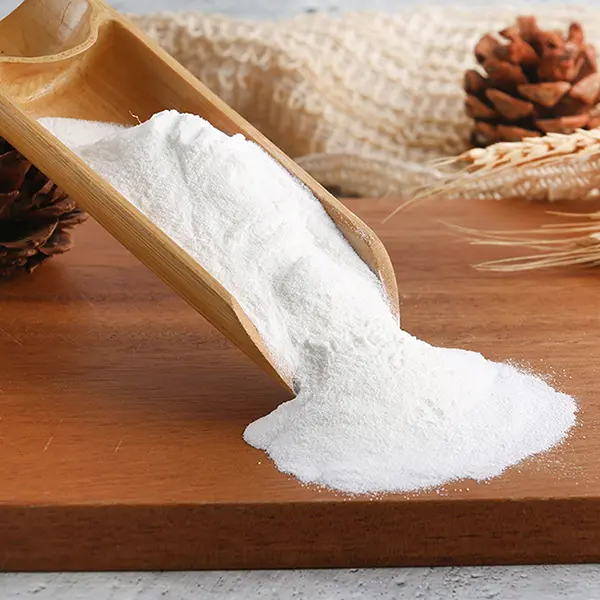
For food manufacturers, supplement producers, functional beverage companies, and health-focused brands, selecting the right collagen ingredient is no longer a simple purchasing decision. Hydrolyzed Collagen for Food and Health has become an increasingly important raw material for businesses developing products that combine nutrition, convenience, and consumer demand for beauty and wellness benefits. If your factory is looking for a dependable ingredient with consistent specifications and competitive sourcing options, working with a supplier such as MT Royal, which can provide access to multiple brands and product alternatives, may help you compare quality, functionality, and commercial value before committing to a large order.
The challenge is that not all collagen products behave identically in production. Differences in raw material origin, hydrolysis level, molecular weight distribution, solubility, flavor, documentation, and microbiological specifications can influence everything from formulation to consumer acceptance. A purchasing decision that looks attractive on a quotation sheet may become expensive if the ingredient creates processing problems or fails to deliver the expected characteristics.
For B2B buyers, the right approach is therefore to evaluate hydrolyzed collagen as both a functional ingredient and a strategic supply-chain input.
What Is Hydrolyzed Collagen?
Collagen is the most abundant structural protein in the human body and is naturally present in tissues such as skin, bones, cartilage, tendons, and connective tissue. Commercial collagen ingredients are generally obtained from animal-derived sources, most commonly bovine, porcine, or marine raw materials.
Hydrolyzed collagen, also called collagen peptides, is collagen that has been processed through enzymatic hydrolysis to break larger protein molecules into smaller peptide chains. This process improves dispersibility and makes the ingredient easier to incorporate into many food, beverage, and nutritional formulations.
The term “hydrolyzed” is important because it distinguishes collagen peptides from conventional gelatin. Gelatin can form a gel under appropriate conditions, while hydrolyzed collagen is generally designed to remain soluble and is therefore more convenient for applications such as powdered beverages, ready-to-drink products, nutritional supplements, and functional foods.
For manufacturers, the fundamental properties to evaluate include:
- Protein content
- Peptide molecular weight distribution
- Solubility and dispersibility
- Sensory profile
- Moisture content
- Source and traceability
- Amino acid profile
- Microbiological quality
- Heavy metal specifications
- Allergen and certification status
These characteristics determine whether a specific collagen ingredient is suitable for your production line and target market.
Why Hydrolyzed Collagen Is Important for Food and Health Products
The growing interest in Hydrolyzed Collagen for Food and Health reflects a broader shift in consumer behavior. Today’s consumers increasingly look for products that fit multiple needs at once: nutrition, beauty, healthy aging, active lifestyles, and convenient daily routines.
This has created opportunities for manufacturers to develop products such as:
- Collagen powder supplements
- Protein and nutrition drinks
- Functional beverages
- Beauty-from-within products
- Protein bars
- Fortified dairy products
- Ready-to-mix drink powders
- Sports nutrition products
- Nutritional formulations for active adults
Collagen peptides are particularly attractive because they can be incorporated into products without the gel-forming characteristics associated with gelatin.
However, manufacturers should be careful with health-related positioning. Scientific research has investigated collagen peptides in areas including skin hydration, elasticity, joint comfort, and connective tissue support, but the strength of evidence varies by application, dosage, population, and study design. Product claims should therefore be developed in accordance with the regulatory requirements of the target market.
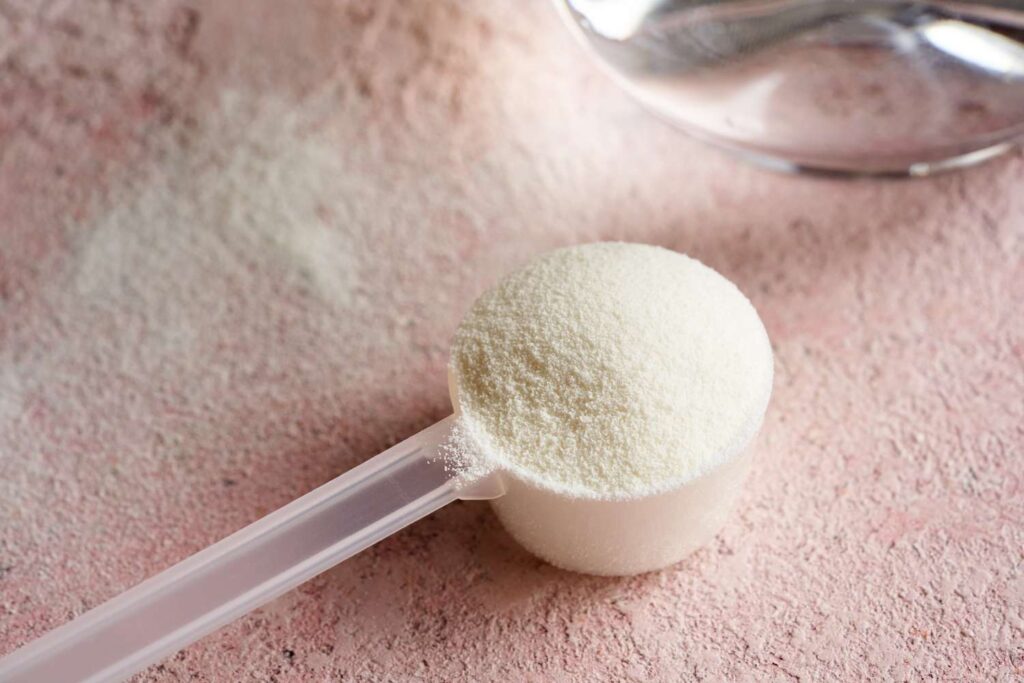
Key Benefits of Hydrolyzed Collagen as an Industrial Ingredient
High Protein Concentration
Many collagen peptide products provide a high percentage of protein, making them attractive for nutritional formulations. However, collagen should not automatically be treated as a complete substitute for dairy or other high-quality proteins. Its amino acid composition differs from proteins such as whey and milk protein.
This distinction matters when designing nutritional products. If your product is intended to deliver a broad essential amino acid profile, collagen may work best as part of a carefully designed protein system rather than as the sole protein source.
Good Solubility
Solubility is one of the most important technical advantages of hydrolyzed collagen. A suitable grade can be incorporated into powders and beverages with relatively straightforward processing.
Yet “soluble” does not mean that every collagen peptide performs identically in every formulation. Factors such as pH, temperature, mineral content, flavor systems, and mixing conditions can affect the final result.
Neutral or Manageable Flavor
High-quality collagen peptides are often designed to have a relatively mild sensory profile. This is especially valuable in functional beverages where strong off-notes can damage consumer acceptance.
For manufacturers, however, sensory testing should be performed in the actual finished product. A collagen powder that tastes neutral in water may behave differently when combined with acidic fruit flavors, sweeteners, minerals, or botanical extracts.
Choosing the Right Source: Bovine, Marine, or Porcine Collagen
One of the first procurement decisions is the origin of the collagen.
Bovine Collagen
Bovine collagen is widely used in food and nutritional applications. It is often selected for its availability and suitability for large-scale formulations.
When sourcing bovine collagen, buyers should pay close attention to:
- Animal origin
- Traceability
- Country of origin
- Halal certification
- BSE/TSE documentation where relevant
- Processing controls
Marine Collagen
Marine collagen is often positioned toward premium beauty and wellness markets. It may appeal to brands seeking a non-mammalian source, although it typically carries different commercial and sensory considerations.
For marine collagen, procurement teams should investigate:
- Fish species
- Fishing or farming origin
- Allergen labeling requirements
- Heavy metal testing
- Sustainability documentation
- Traceability
Porcine Collagen
Porcine collagen is another established source, but it may not be suitable for markets requiring Halal or certain religious dietary standards. This makes source verification particularly important for international B2B buyers.
The best choice depends on your target consumer, regulatory environment, product positioning, and cost structure.
Common Mistakes in Industrial Collagen Sourcing
Buying Based Only on Price
Price per kilogram is one of the least complete ways to compare collagen suppliers.
The real calculation should include:
Total landed cost = ingredient price + transportation + duties + storage + quality testing + production losses
If a lower-priced ingredient requires longer mixing times, causes foaming, creates flavor problems, or produces inconsistent batches, the apparent saving can disappear quickly.
Ignoring Molecular Weight
The molecular weight profile of collagen peptides can influence solubility, sensory properties, and formulation behavior. Buyers should not assume that every product labeled “hydrolyzed collagen” is technically equivalent.
Skipping Production Trials
A laboratory sample is not a guarantee of industrial performance. Before approving a large purchase, conduct pilot trials using your actual formulation and production process.
Failing to Check Regulatory Compatibility
A product that is acceptable in one market may require different labeling or documentation elsewhere. This is particularly important for animal-derived ingredients.
Treating Every Brand as Equivalent
Different manufacturers may use different raw materials and hydrolysis processes. Even when two products have similar protein content, their functional characteristics may differ.
This is one reason why sourcing through a supplier such as MT Royal can be useful: buyers can evaluate multiple brands and compare available specifications and commercial terms rather than assuming that one brand is automatically the best fit.
Specialized Tips for Large-Scale Production
For factories purchasing several tons of collagen, consistency should be treated as a commercial asset.
We have seen that production teams often focus heavily on protein percentage while overlooking operational characteristics such as powder flowability, moisture sensitivity, and mixing behavior. These factors may seem minor until a high-volume production line begins losing time batch after batch.
For large-scale manufacturing, consider establishing a supplier qualification process with three stages.
Stage One: Laboratory Evaluation
Test solubility, sensory characteristics, protein content, and compatibility with your formulation.
Stage Two: Pilot Production
Run the ingredient through your actual mixing and processing equipment. Measure dissolution time, foaming, sedimentation, and final product stability.
Stage Three: Commercial Validation
Evaluate several production batches to confirm consistency. The objective is to ensure that the ingredient performs reliably beyond the first successful trial.
Large buyers should also consider dual sourcing. Depending on your market and product requirements, maintaining an approved alternative supplier can reduce exposure to shipping delays, raw material shortages, and unexpected price changes.
MT Royal can support this type of procurement strategy by helping B2B buyers explore multiple brands and competitive options. This is particularly useful when your factory needs to balance technical performance with commercial flexibility.
Emerging Trends in Hydrolyzed Collagen
The collagen market continues to evolve alongside broader trends in functional nutrition.
One notable trend is the expansion of beauty-from-within products, where collagen is combined with vitamins, minerals, hyaluronic acid, antioxidants, or botanical ingredients.
Another trend is the development of convenient delivery formats. Consumers increasingly favor ready-to-drink beverages, single-serve sachets, stick packs, and easy-to-mix powders.
Clean-label positioning is also influencing formulation decisions. Buyers are paying greater attention to ingredient origin, traceability, processing transparency, and certification.
Sustainability is becoming another important consideration. Marine collagen suppliers, in particular, may face increased scrutiny regarding fish sourcing and environmental practices. For manufacturers targeting premium markets, traceability can become part of the product’s commercial value rather than merely a compliance requirement.
The wider functional nutrition market is also moving toward personalization. Instead of selling one generic collagen product, brands are increasingly creating specialized formulations for active adults, healthy aging, beauty, sports recovery, or daily wellness.
For manufacturers, this means the sourcing decision should consider not only today’s formulation but also how easily the ingredient can support future product development.
Frequently Asked Questions from Factory Managers and Procurement Teams
Is hydrolyzed collagen the same as gelatin?
No. Both are collagen-derived ingredients, but they have different functional properties. Gelatin can form a gel, whereas hydrolyzed collagen is broken into smaller peptides and is generally designed for easier dissolution.
Can collagen replace whey protein?
Not necessarily. Collagen and whey have different amino acid profiles and nutritional characteristics. The appropriate choice depends on the formulation objective. Some products use both ingredients to achieve specific nutritional and functional goals.
Which collagen source is best?
There is no universal answer. Bovine, marine, and porcine collagen each have different commercial, regulatory, nutritional, and consumer-positioning considerations.
How can I verify product quality?
Request a current COA, technical specification, source information, certifications, and traceability documents. Where appropriate, conduct independent laboratory testing.
Is a sample enough to approve a supplier?
No. Samples are useful for initial evaluation, but large-scale approval should include pilot production and, ideally, multiple batch assessments.
Can MT Royal help source hydrolyzed collagen?
MT Royal can be considered by B2B buyers seeking access to multiple brands and competitive sourcing options. To identify the most appropriate product, provide your required collagen source, application, target market, expected volume, certifications, and delivery destination.
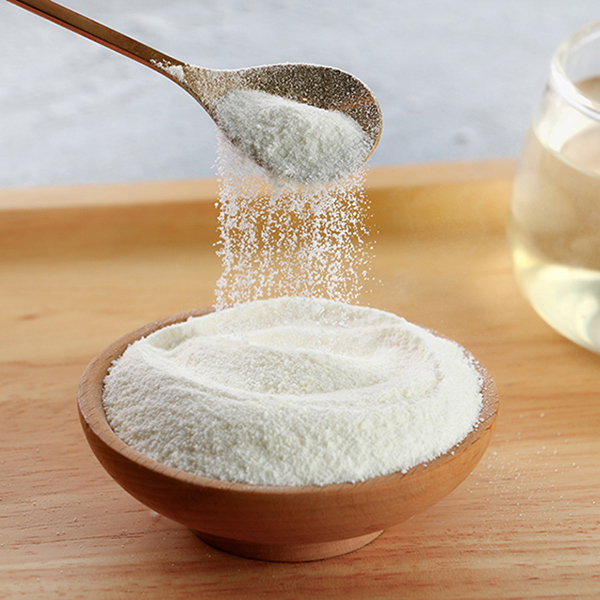
Building a Smarter Collagen Procurement Strategy
The strongest sourcing decisions begin by recognizing that Hydrolyzed Collagen for Food and Health is not a commodity that should be purchased solely by comparing prices on a spreadsheet.
Your factory needs an ingredient that fits the formulation, meets regulatory requirements, performs consistently on the production line, and remains commercially viable as volumes increase.
We recommend starting with a clear technical specification, followed by sample evaluation, pilot testing, supplier qualification, and total-cost analysis. This approach may take slightly longer at the beginning, but it can prevent far more expensive problems later.
A sourcing partner such as MT Royal can add value when you need to compare multiple brands, evaluate competitive pricing, and identify options aligned with your technical requirements. For B2B buyers, that broader view can create better negotiating leverage while reducing dependence on a single supply route.
The collagen market will continue to evolve, but one principle remains constant: the ingredient that looks cheapest on paper is not always the ingredient that creates the lowest cost in production. The smarter choice is the one that performs reliably, arrives when needed, satisfies your quality system, and supports the product your customers actually want to buy.
For factories and manufacturers considering their next collagen purchase, the most productive next step is to define your specification and discuss your requirements with a qualified sourcing partner such as MT Royal. When quality, functionality, documentation, and supply economics are evaluated together, collagen procurement stops being a simple purchasing exercise and becomes what it should be: a strategic decision that protects your production line and strengthens your product portfolio.
LATAMARKO LM60 – Premium Spanish-Origin Cocoa Powder
latamarko alkalized cocoa powder lm60
cocoa powder for chocolate production-Best price
Food industry raw materials – list of products



No comment