

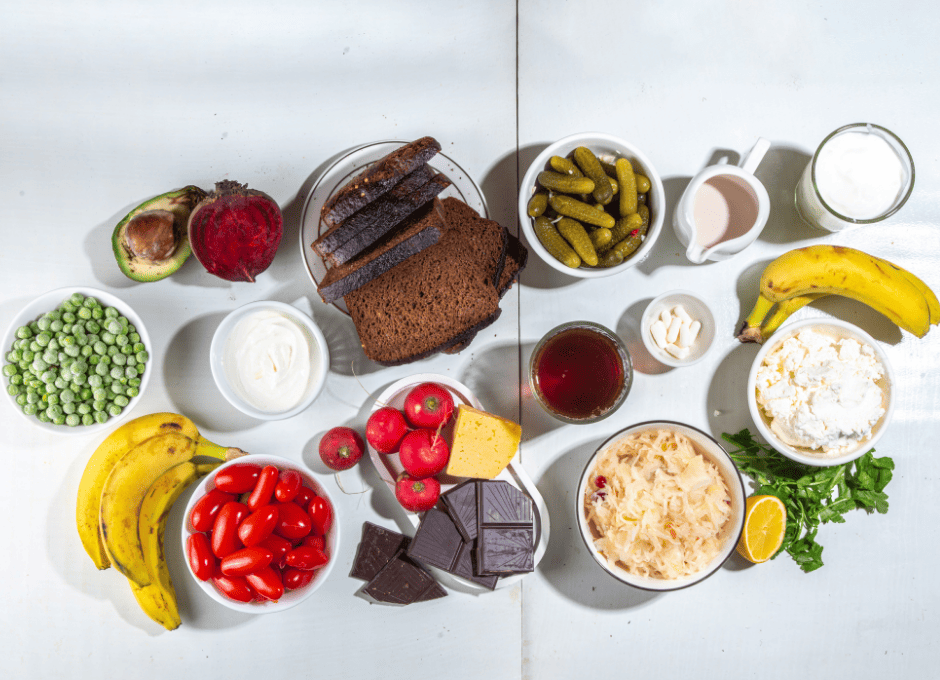
For food manufacturers entering the functional nutrition market, choosing the right Probiotic ingredients for food production is not a minor formulation decision; it can determine whether a product survives processing, maintains its claimed potency through shelf life, and delivers consistent quality from the first batch to the millionth. If your factory is evaluating probiotic strains, blends, or delivery systems, working with a dependable supplier such as MT Royal, which offers access to multiple brands at competitive prices, can simplify sourcing while giving your technical and procurement teams more options to evaluate.
The global demand for functional foods continues to reshape industrial food manufacturing. Consumers increasingly expect everyday products to offer more than calories and flavor, while manufacturers are looking for ways to incorporate digestive health, immune support, and other wellness-oriented benefits into familiar formats. Probiotics are among the most technically interesting ingredients in this category, but they are also among the easiest to mishandle.
A probiotic is a living microorganism. That single fact changes almost everything about procurement and production. Heat, moisture, oxygen, processing pressure, storage conditions, and even the surrounding food matrix can influence its viability. A formulation that looks perfect on paper can lose significant potency before it reaches the consumer if the ingredient and manufacturing process are not carefully matched.
LATAMARKO LM60 – Premium Spanish-Origin Cocoa Powder
latamarko alkalized cocoa powder lm60
cocoa powder for chocolate production-Best price
Food industry raw materials – list of products
Types of Gelatin from Turkish Manufacturer
What Are Probiotic Ingredients for Food Production?
Probiotic ingredients for food production are preparations containing live microorganisms intended to be incorporated into foods and beverages. Depending on the application, these ingredients may consist of individual strains, multi-strain blends, concentrated powders, or specially protected preparations designed to improve stability during manufacturing and storage.
Common probiotic microorganisms used in food applications include strains from genera such as:
- Lactobacillus
- Bifidobacterium
- Bacillus
- Saccharomyces
The choice of microorganism depends heavily on the product category and processing conditions. A strain suitable for a refrigerated fermented dairy product may not be appropriate for a shelf-stable snack bar. Likewise, a microorganism that performs well in a dry powder may not tolerate the moisture or acidity of a beverage.
This is why probiotic sourcing requires a different mindset from conventional ingredient purchasing. You are not buying an inert powder that simply needs to meet a specification. You are purchasing a biological system whose performance depends on the interaction between the microorganism, formulation, manufacturing process, packaging, and storage environment.
For this reason, factories should assess suppliers based on both commercial and technical capabilities. MT Royal can be considered by manufacturers looking for a supplier with access to multiple brands and competitive pricing, but the final selection should always be based on documented strain performance and compatibility with the intended application.
Why Probiotic Ingredients Are Technically Challenging
Probiotics are often described as “sensitive” ingredients, and that description is accurate but incomplete. The real challenge is that their stability is influenced by multiple variables simultaneously.
Temperature
Many probiotic strains are sensitive to elevated temperatures. This becomes particularly important in applications involving baking, extrusion, pasteurization, or hot filling.
A manufacturer may begin with a high-potency ingredient and still end up with a finished product containing substantially fewer viable microorganisms than expected if the process exposes the probiotic to excessive heat.
Moisture
Water activity is one of the most important considerations in probiotic stability.
A low-moisture product can be favorable for long-term stability, but only if moisture migration is controlled. A probiotic powder may remain stable in one dry formulation and deteriorate more rapidly in another if the surrounding matrix allows water to migrate toward the microorganisms.
This is one reason why moisture-barrier packaging can be just as important as the probiotic ingredient itself.
Oxygen
Oxidative stress can reduce the viability of certain strains. Packaging design, oxygen transmission rates, headspace conditions, and storage duration should therefore be considered during product development.
Acidity
Low-pH foods and beverages present a particular challenge. Some probiotic strains tolerate acidic conditions better than others, but even acid-tolerant organisms may experience viability losses over time.
For acidic beverages, manufacturers should evaluate the entire shelf-life profile rather than relying on an initial potency test.
Choosing the Right Probiotic Delivery System
The probiotic itself is only part of the equation. The delivery system can determine whether the microorganism survives manufacturing and remains viable until consumption.
Free or Unprotected Probiotics
Traditional probiotic powders may be suitable for applications with relatively mild processing conditions.
Advantages can include:
- Simpler formulation
- Lower processing complexity
- Potentially lower ingredient cost
However, free probiotic cells may be more vulnerable to environmental stress.
Microencapsulated Probiotics
Microencapsulation involves surrounding probiotic microorganisms with protective materials designed to improve stability or control their exposure to environmental conditions.
Potential benefits include:
- Improved protection from moisture
- Greater resistance to processing stress
- Better shelf-life stability
- Improved compatibility with challenging food matrices
The trade-off is that encapsulation may increase ingredient costs and can influence how the probiotic behaves in the final product.
Spore-Forming Probiotics
Certain Bacillus species can form spores that are naturally more resistant to environmental stress than many traditional vegetative probiotic cells.
This characteristic can make them attractive for certain shelf-stable applications. However, they should not automatically be treated as interchangeable with traditional lactic acid bacteria. Their technological behavior, regulatory status, and evidence base must be evaluated independently.

Selecting Probiotic Ingredients by Product Category
The right probiotic for your factory depends heavily on what you manufacture.
Dairy and Fermented Products
Yogurt and fermented dairy products are among the most established probiotic applications.
Key considerations include:
- Fermentation temperature
- Acidity
- Refrigerated shelf life
- Interaction with starter cultures
- Oxygen exposure
- Sensory characteristics
The challenge is to maintain probiotic viability without disrupting the fermentation process or compromising texture and flavor.
Functional Beverages
Probiotic beverages can be technically demanding because they may combine low pH, water activity, oxygen exposure, and extended shelf life.
Manufacturers should carefully evaluate whether the probiotic is added before or after thermal processing and whether the final product requires refrigeration.
A probiotic beverage should not be developed as if it were simply a conventional drink with a probiotic powder stirred in at the end. The formulation and process must be designed around microbial survival from the beginning.
Protein and Nutrition Bars
Bars are attractive because they are often shelf stable and can support health-oriented positioning. However, the matrix can contain high levels of protein, fibers, fats, nuts, syrups, and other ingredients that affect probiotic stability.
For these products, manufacturers should pay particular attention to:
- Water activity
- Moisture migration
- Oxygen exposure
- Storage temperature
- Fat oxidation
- Packaging barrier performance
A factory may discover that the best probiotic is not necessarily the one with the highest starting potency. A moderately concentrated ingredient with excellent stability may outperform a higher-potency ingredient that loses viability quickly.
Powdered Drink Mixes
Dry powders can offer favorable conditions for probiotic stability, particularly when moisture is tightly controlled.
However, hygroscopic ingredients can create problems. Powders that absorb moisture during storage may compromise probiotic viability and lead to clumping.
Packaging and warehouse humidity control should therefore be considered part of the probiotic formulation strategy.
Common Mistakes in Industrial Probiotic Sourcing
Mistake 1: Buying Based Only on CFU Count
CFU, or colony-forming units, is an important measurement, but a higher number is not automatically better.
A manufacturer should examine:
- Potency at the end of shelf life
- Recommended serving size
- Stability under intended conditions
- Evidence supporting the selected strain
- Cost per effective dose
The number printed on the specification sheet is only one part of the story.
Mistake 2: Ignoring Shelf-Life Loss
A product may leave the factory with an acceptable probiotic count but fail to meet its target by the end of its commercial shelf life.
Factories should establish whether the supplier guarantees potency at manufacture or throughout shelf life. These are not equivalent commitments.
Mistake 3: Testing Only the Raw Ingredient
Probiotic stability must be evaluated in the finished product.
The food matrix can dramatically affect viability. Therefore, pilot and accelerated stability studies should be conducted using the actual formulation and packaging system.
Mistake 4: Assuming All Probiotics Can Be Added After Processing
Post-processing addition can be useful in some applications, but it is not a universal solution.
The probiotic must still be uniformly distributed, protected from moisture and oxygen, and incorporated without damaging the cells.
Mistake 5: Treating Packaging as an Afterthought
Packaging is part of the probiotic delivery system.
A high-quality probiotic ingredient placed inside packaging with poor moisture or oxygen protection may have a disappointing shelf-life performance. The ingredient supplier, packaging supplier, formulation team, and quality department should not operate as four separate islands.
How to Evaluate Probiotic Ingredients Suppliers
A strong supplier evaluation process should include several dimensions.
Technical Capability
Look for suppliers that can provide:
- Detailed strain identification
- Certificates of analysis
- Stability data
- Storage requirements
- Application guidance
- Recommended dosage information
Quality and Food Safety
Review the supplier’s quality systems and documentation relevant to your market.
Depending on the application and destination, this may include food-safety certifications, allergen statements, microbiological specifications, traceability information, and regulatory documentation.
Supply Reliability
Probiotics may require controlled storage and specialized logistics. Ask about:
- Lead times
- Inventory availability
- Temperature requirements
- Shipping conditions
- Minimum order quantities
- Batch traceability
MT Royal may be useful for manufacturers seeking access to multiple brands and competitive purchasing options, particularly when procurement teams want flexibility in evaluating different commercial sources.
Technical Support
A supplier that can help troubleshoot viability losses is considerably more valuable than one that simply provides a product catalog.
Ask whether the supplier can support formulation trials, stability evaluation, and scale-up.
A Practical Supplier Evaluation Checklist
Before approving a probiotic ingredient, your factory should be able to answer “yes” to most of the following:
- Is the strain clearly identified?
- Is the potency specification clearly defined?
- Is shelf-life stability documented?
- Are storage conditions understood?
- Has the ingredient been tested in the intended food matrix?
- Is the supplier able to provide consistent batches?
- Are quality documents available?
- Is there a clear traceability system?
- Can the supplier meet your expected production volume?
- Is there a contingency plan for supply interruptions?
If several answers are “no,” the purchasing decision may be premature.
Specialized Tips for Large-Scale Probiotic Production
Design the Process Around the Probiotic
One of the most common industrial mistakes is developing the product first and trying to “fit” the probiotic into the process afterward.
For sensitive strains, the opposite approach may be more effective.
Identify the probiotic’s critical limits early and design the manufacturing process around them where commercially feasible.
Minimize Thermal Exposure
If your product requires heating, investigate whether the probiotic can be incorporated after the highest-temperature processing step.
If this is impossible, consider heat-tolerant strains or protective technologies.
Control Water Activity
Water activity should be monitored not only in the finished product but also during stability testing.
A small change in moisture conditions can sometimes have a disproportionate impact on probiotic survival.
Use Overages Carefully
Manufacturers sometimes add excess probiotic material to compensate for expected losses during shelf life.
While overage can be a practical strategy, it should be based on actual stability data rather than guesswork. Excessive overages increase costs and may complicate formulation economics.
The objective is not to pour extra probiotic into the formulation and hope for the best. It is to understand the degradation curve and design the dosage intelligently.
Validate at Commercial Scale
Pilot-scale results do not always predict full-scale behavior.
Large mixers, longer processing times, greater shear forces, and different temperature profiles can influence probiotic viability.
A successful scale-up protocol should compare:
- Pilot batch potency
- Commercial batch potency
- Post-processing viability
- Storage stability
- Finished-product uniformity
Emerging Trends in Probiotic Food Manufacturing
The probiotic sector is moving beyond traditional yogurt and supplements.
Manufacturers are increasingly exploring:
- Probiotic snack bars
- Functional confectionery
- Shelf-stable beverages
- Powdered drinks
- Plant-based dairy alternatives
- Functional cereals
- Infant and specialized nutrition products
This diversification creates new technical challenges.
One important trend is the development of synbiotic products, which combine probiotics with prebiotic ingredients designed to support beneficial microorganisms. This approach can create opportunities for product differentiation, but it also increases formulation complexity.
Another trend is the use of more sophisticated stabilization and encapsulation technologies. Manufacturers are increasingly interested in delivering viable microorganisms in products that were previously considered unsuitable for probiotics.
For procurement teams, this means supplier selection is becoming more technical. The best sourcing decisions increasingly involve cooperation between purchasing, R&D, quality assurance, regulatory affairs, and production engineering.
Probiotic Ingredients and Regulatory Considerations
Regulatory requirements vary significantly by country and product category. Manufacturers should never assume that an ingredient permitted in one market can automatically be marketed in another.
Before commercial launch, your team should verify:
- Permitted microorganism strains
- Approved health claims
- Labeling requirements
- Minimum viable counts, where applicable
- Required documentation
- Food category restrictions
A supplier can provide technical and regulatory information, but the final responsibility for compliance remains with the manufacturer placing the product on the market.
This is particularly important when marketing products with digestive, immune, or other health-related claims. The distinction between what an ingredient does biologically and what you are legally permitted to claim on a package can be surprisingly wide.
How MT Royal Fits Into a Probiotic Sourcing Strategy
When evaluating Probiotic ingredients for food production, manufacturers often benefit from having access to more than one commercial option.
MT Royal can be considered as a sourcing partner for factories seeking multiple brands and competitive prices. This can be useful when procurement teams need to compare different ingredient suppliers based on availability, commercial terms, and technical specifications.
However, a responsible sourcing strategy should not stop at comparing quotations. The selected probiotic must be evaluated against your actual production requirements.
In our experience, the most successful factories use a structured process: technical qualification first, pilot testing second, commercial negotiation third, and full-scale validation before final approval.
This approach may require more work at the beginning, but it can prevent much more expensive problems later.
Frequently Asked Questions From Factory Managers and Procurement Teams
What is the most important factor when buying probiotic ingredients?
The most important factor is suitability for the intended application. Potency, strain identity, stability, processing tolerance, shelf life, regulatory status, and commercial cost should all be evaluated together.
How should probiotic potency be measured?
Potency is commonly expressed in CFU, or colony-forming units. However, manufacturers should determine whether the supplier’s stated potency applies at production, at the end of shelf life, or under specific storage conditions.
Can probiotics survive baking?
Some probiotic strains and protective technologies can tolerate certain baking conditions, but survival depends heavily on temperature, exposure time, formulation, and the specific microorganism. Probiotic incorporation into baked products requires validation rather than assumptions.
Are encapsulated probiotics always better?
Not necessarily. Encapsulation can improve protection, but it may increase cost and affect formulation characteristics. The right choice depends on the product’s processing and storage environment.
How much probiotic should be added to a food product?
There is no universal dosage. The appropriate amount depends on the strain, product category, desired serving potency, stability profile, and applicable regulatory requirements.
Should factories use multiple probiotic suppliers?
For critical commercial products, qualified alternative suppliers can reduce supply risk. However, each alternative should be technically validated before being considered interchangeable.
Why do probiotics lose potency during storage?
Common causes include heat, moisture, oxygen exposure, unsuitable packaging, and interactions with the food matrix. Poor warehouse conditions can also accelerate viability losses.
Is a higher CFU count always commercially advantageous?
No. A lower-dose, highly stable ingredient may provide better economics than a high-potency ingredient that requires large overages or suffers significant shelf-life losses.
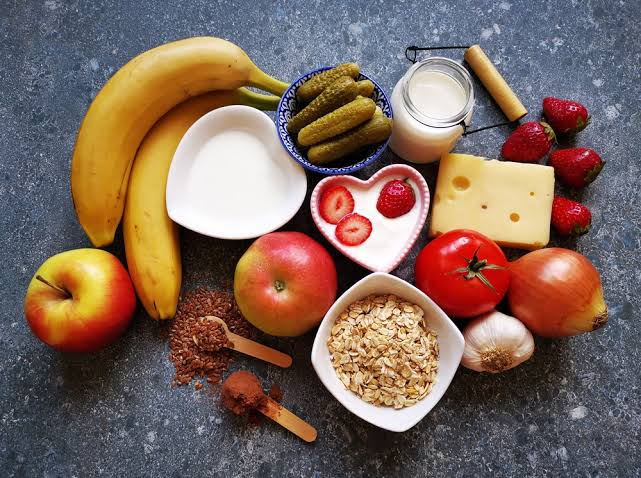
The Real Value of a Probiotic Supplier
For food manufacturers, probiotics should never be treated as an ordinary commodity ingredient. They are biological components whose performance depends on a chain of interconnected decisions.
The supplier matters. The strain matters. The formulation matters. The manufacturing process matters. Packaging matters. Storage matters. Even the way the product moves through the supply chain can influence the final result.
That is why choosing among Probiotic ingredients for food production requires a broader perspective than simply comparing prices per kilogram. A reliable supplier should help your factory reduce uncertainty, maintain consistent quality, and make technically informed decisions.
MT Royal, with its access to multiple brands and competitive pricing, can be part of that sourcing evaluation when manufacturers are looking for commercial flexibility. The most valuable supplier relationship, however, is the one that aligns with your production realities rather than merely offering an attractive quotation.
We have seen that factories often invest heavily in equipment, automation, packaging, and marketing while underestimating the importance of ingredient qualification. Yet the smallest component in a formulation can become the biggest production headache when its behavior is misunderstood.
A successful probiotic product begins long before the first production run. It begins with a clear understanding of the microorganism, a realistic assessment of the process, rigorous stability testing, and a supplier capable of supporting the journey from laboratory concept to industrial scale.
The manufacturers that approach probiotics this way are not simply adding another ingredient to a recipe. They are building a product system in which biology, engineering, procurement, quality, and consumer expectations work together.


No comment