

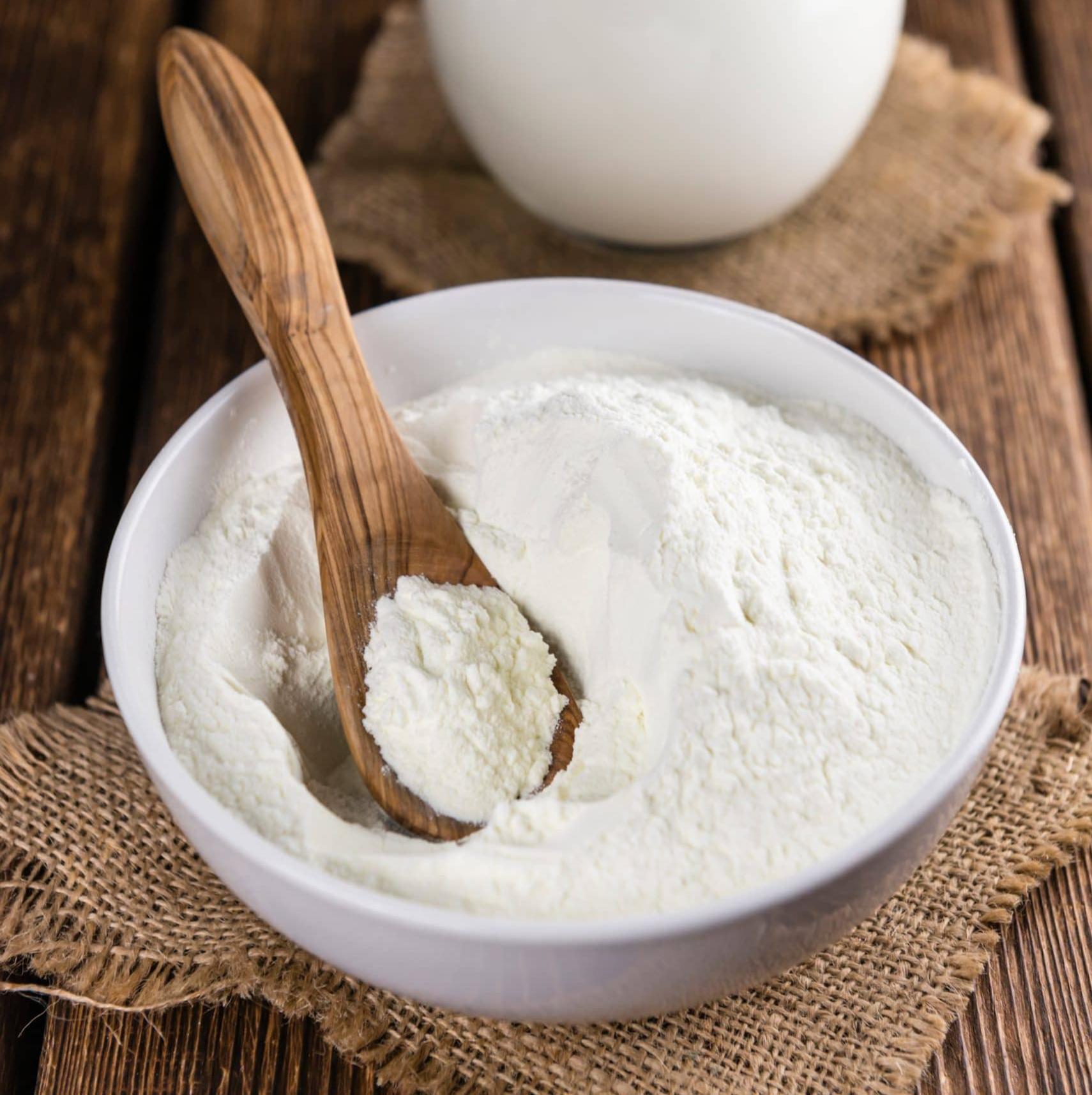
For a food factory, choosing a Skimmed Milk Powder Supplier for Food Manufacturers is not simply a purchasing decision. It can affect formulation consistency, production efficiency, product quality, inventory costs, and ultimately your ability to deliver the same product batch after batch. This is why manufacturers looking beyond the lowest quoted price may find greater value in working with a sourcing partner such as MT Royal, which provides access to multiple brands and competitive purchasing options.
Skimmed milk powder is used across dairy products, bakery, confectionery, beverages, nutritional foods, and other processed-food applications. Its appeal is straightforward: it delivers concentrated milk solids in a shelf-stable, transport-efficient format while giving manufacturers greater control over formulation. Yet not every powder performs identically in an industrial recipe.
The difference may come down to heat treatment, solubility, protein functionality, moisture, microbiological specifications, packaging, origin, or simply whether the supplier can deliver the same specification reliably six months from now. In industrial food production, consistency is rarely glamorous—but it is what keeps the production line from becoming an expensive troubleshooting laboratory.
What Is Skimmed Milk Powder?
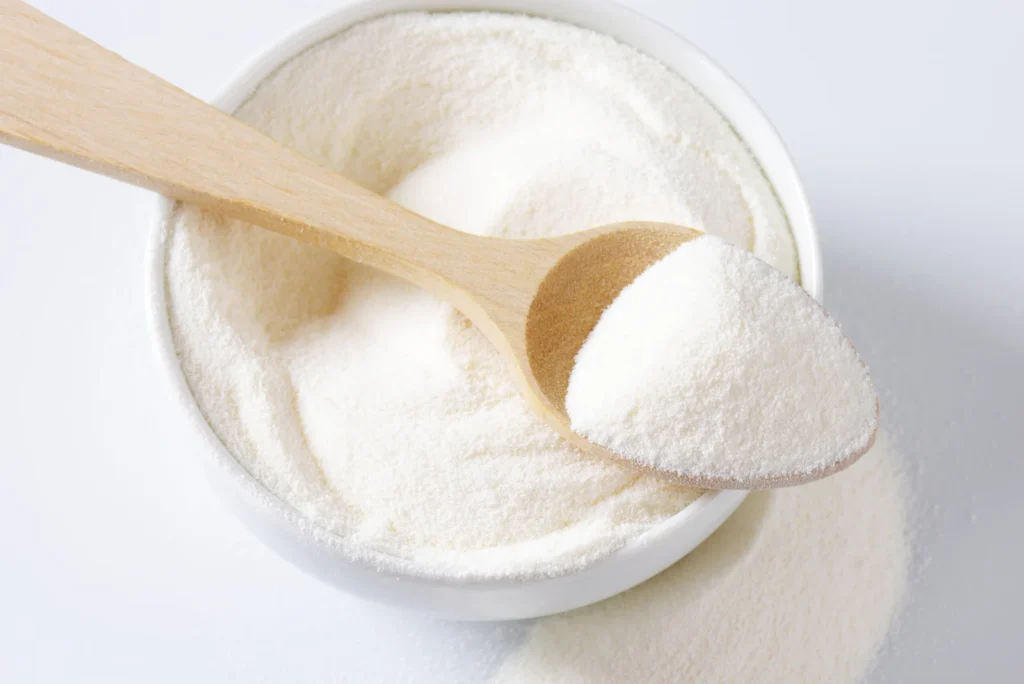
Skimmed milk powder, commonly abbreviated as SMP, is produced by removing most of the fat from milk and concentrating and drying the remaining milk solids, typically through evaporation followed by spray drying.
The resulting powder contains valuable milk components such as lactose, milk proteins, minerals, and other non-fat milk solids. Because much of the water has been removed, manufacturers can store and transport the ingredient more efficiently than liquid milk.
In international trade, skim milk powder is generally distinguished from whole milk powder by its much lower fat content. Depending on the specification and regulatory classification, commercial products can differ considerably in functionality even when their basic nutritional profiles appear similar.
For food manufacturers, this distinction matters. Two products can both be described as skimmed milk powder while behaving differently during mixing, heating, fermentation, or storage.
LATAMARKO – Premium Spanish-Origin Cocoa Powder
Food industry raw materials – list of products
Skimmed Milk Powder vs. Nonfat Dry Milk
The terms skimmed milk powder and nonfat dry milk are often used interchangeably in commercial discussions, although terminology and regulatory definitions can vary by market.
Procurement teams should therefore avoid purchasing solely on the product name. Instead, compare the complete technical specification, including:
- Fat content
- Protein content
- Moisture
- Lactose
- Solubility
- Bulk density
- Heat classification
- Microbiological limits
- Particle characteristics
- Packaging format
- Country of origin
- Shelf life
- Allergen declarations
This technical approach prevents a common sourcing problem: buying a powder that meets the headline specification but does not behave as expected on the factory floor.
Why Food Manufacturers Use Skimmed Milk Powder
The industrial value of skimmed milk powder extends beyond nutrition. It is a multifunctional ingredient that can influence structure, mouthfeel, color, water binding, fermentation performance, and formulation economics.
Dairy Products
Yogurt, fermented milk products, dairy beverages, processed cheese, and other dairy formulations can use SMP to increase milk solids and protein while maintaining predictable formulation control.
For yogurt manufacturers, for example, increasing milk solids can influence viscosity and body. The precise effect depends on the entire formulation and processing conditions, but consistent milk powder quality is an important part of repeatable production.
Bakery Applications
Industrial bakeries use skimmed milk powder as a functional bakery ingredient as well as a nutritional component. It can contribute to flavor, dough characteristics, crust color, and overall product composition.
For high-volume bakeries, powdered ingredients also offer logistical advantages. Unlike liquid dairy ingredients, a properly stored powder does not require refrigerated transportation or immediate processing after delivery.
Confectionery and Chocolate
In confectionery applications, SMP can contribute dairy flavor and solids while helping manufacturers control the composition of fillings, coatings, dessert mixes, and other formulations.
However, solubility and thermal behavior become particularly important when the powder is incorporated into concentrated systems. A procurement decision based only on price per metric ton can therefore be misleading if a lower-cost powder creates additional processing difficulties.
Nutritional and Protein-Rich Foods
The broader market is also placing greater emphasis on protein and nutrient density. Skimmed milk powder provides dairy protein alongside lactose and minerals, making it useful in selected nutritional formulations and food products designed around higher protein content.
The global dairy market remains substantial. According to the OECD-FAO Agricultural Outlook 2025–2034, world milk production reached approximately 950 million tonnes in 2024, increasing by 1.1% from the previous year. The same outlook highlights changing international demand, pricing relationships between milk fat and non-fat milk solids, and continued uncertainty from trade, animal disease, environmental pressures, and geopolitical conditions.
For manufacturers, the lesson is practical: dairy ingredients should be managed as strategic commodities, not ordinary packaging-line consumables.
What to Look for in a Skimmed Milk Powder Supplier for Food Manufacturers
Selecting the right supplier requires more than comparing quotations. A robust supplier evaluation should consider four areas: product performance, quality assurance, supply reliability, and commercial flexibility.
1. Technical Specification
Ask for a current specification sheet and confirm that it matches your formulation requirements.
Important parameters include:
- Protein and fat levels
- Moisture
- Solubility index
- Heat treatment classification
- Microbiological criteria
- Bulk density
- Particle size where relevant
- Sensory characteristics
- Shelf life
- Packaging configuration
If your factory has validated a particular powder specification, avoid casually substituting another grade simply because both products carry the same generic description.
2. Quality Documentation
For industrial food production, traceability is part of the product.
Your supplier should be able to provide appropriate documentation such as certificates of analysis, allergen information, product specifications, batch identification, and relevant food-safety documentation according to the product and destination market.
The exact certification requirements will depend on your industry, customer requirements, and jurisdiction. A supplier that understands this distinction is more useful than one that simply sends a generic certificate with every quotation.
3. Supply Continuity
A supplier may offer an attractive price for one shipment while creating headaches over the following six months.
Evaluate:
- Typical lead time
- Minimum order quantity
- Stock availability
- Origin options
- Container-loading capabilities
- Port and logistics experience
- Backup sourcing options
- Ability to maintain specification over repeated orders
MT Royal can be relevant here because its sourcing model gives manufacturers access to multiple brands rather than forcing every procurement decision into a single-brand framework. This can make it easier to compare commercial and technical alternatives when availability or market pricing changes.
4. Total Landed Cost
The correct question is not, “Which supplier has the lowest price?”
It is:
“Which supply option gives our factory the lowest reliable cost per usable kilogram in production?”
Consider the complete landed cost:
Product price + freight + insurance + customs and duties + handling + storage + financing + potential production losses
A powder priced slightly higher can be economically superior if it dissolves faster, produces fewer formulation adjustments, arrives with longer remaining shelf life, or generates fewer quality incidents.
Common Mistakes in Industrial Sourcing
Even experienced procurement departments can fall into predictable traps when purchasing dairy ingredients.
Buying on Price Alone
Commodity purchasing naturally encourages price comparison. But SMP is not always a perfectly interchangeable commodity.
Different processing conditions can influence functionality, and different origins can create variations in availability and pricing.
Ignoring Heat Treatment
Heat classification can influence protein functionality and behavior during processing. If your application depends on specific functional properties, the heat treatment history should be considered before approving a substitute.
Treating All Brands as Equivalent
Multiple brands can be commercially attractive, particularly when a manufacturer needs supply flexibility. However, brand substitution should be controlled through technical approval rather than handled as a simple purchasing swap.
Ordering Without Forecasting
Buying too little can create production risk. Buying too much can tie up working capital and increase exposure to shelf-life constraints.
A better strategy is to combine consumption forecasts with market monitoring and safety-stock calculations.
Forgetting the Warehouse
Powder is shelf-stable, but “shelf-stable” does not mean “storage-proof.”
Moisture, temperature fluctuations, pests, packaging damage, poor palletization, and unsuitable warehouse hygiene can all undermine ingredient quality.
For food-grade powder, warehouse management is part of quality management.
Industrial Tips for Large-Scale Production
Large factories should treat SMP procurement as part of production engineering rather than a routine purchasing exercise.
Establish an Approved Ingredient Specification
Your R&D and quality teams should define the acceptable operating range before procurement begins. This prevents the purchasing department from unintentionally selecting a product that is commercially attractive but technically unsuitable.
Conduct Production-Scale Trials
Laboratory approval is valuable, but production equipment introduces variables that small-scale tests cannot always reproduce.
Before switching brands, test the ingredient under representative production conditions. Monitor mixing time, hydration, viscosity, fermentation behavior where relevant, yield, sensory properties, and finished-product stability.
Monitor Batch-to-Batch Variation
A supplier’s ability to deliver a specification consistently is often more important than the performance of a single sample.
For strategic ingredients, retain historical certificates of analysis and monitor relevant parameters over time. Trends can reveal deterioration or changes before they become production problems.
Use Dual-Sourcing Strategically
Dual sourcing does not necessarily mean purchasing half your volume from two suppliers. It can mean maintaining an approved alternative that has already passed technical validation.
This distinction matters during market disruptions.
The OECD-FAO outlook notes that the world’s major dairy exporters—including New Zealand, the European Union, and the United States—remain central to global dairy trade, with those three regions expected to account jointly for nearly 70% of global milk exports.
That concentration creates opportunities, but it also means that weather, animal disease, trade restrictions, energy costs, or regional production changes can affect international availability.
Watch Market Signals, Not Just Supplier Quotations
The skim milk powder market is influenced by milk production, cheese and butter economics, international demand, inventories, exchange rates, freight costs, and regional processing decisions.
USDA data has also highlighted how major exporters can adjust SMP production and exports as processors redirect milk toward products such as cheese.
For procurement managers, this means a sudden price movement may have a deeper explanation than a supplier simply “raising the price.”
Emerging Trends Affecting Skimmed Milk Powder Procurement
Several developments deserve attention as manufacturers plan future sourcing strategies.
Greater Emphasis on Functional Performance
Food manufacturers increasingly evaluate dairy ingredients according to functionality rather than nutrition panels alone. Solubility, heat stability, dispersibility, and processing behavior can become decisive purchasing criteria.
More Sophisticated Supplier Comparison
Digital procurement and international sourcing are making it easier to compare origins and brands. However, more choices do not automatically mean better decisions. The value comes from comparing technically equivalent products rather than simply collecting more quotations.
Supply Chain Resilience
Recent disruptions have encouraged manufacturers to think beyond just-in-time purchasing. Maintaining approved alternatives, improving demand forecasting, and establishing stronger relationships with ingredient suppliers are increasingly important.
Greater Attention to Sustainability
The dairy industry is under growing pressure to address environmental performance. The OECD-FAO Agricultural Outlook identifies environmental and health concerns as factors shaping the dairy sector’s longer-term outlook.
For large food companies, sustainability requirements may increasingly enter supplier qualification, reporting, and procurement decisions.
Frequently Asked Questions
What is the best skimmed milk powder for food manufacturing?
There is no universal “best” SMP. The correct product depends on your application, processing conditions, required protein level, heat treatment, solubility requirements, sensory profile, regulatory requirements, and cost target.
How should a factory choose a Skimmed Milk Powder Supplier for Food Manufacturers?
Evaluate technical specifications, quality documentation, consistency, supply capacity, logistics, landed cost, certifications, and alternative sourcing options. Ideally, involve procurement, quality assurance, R&D, and production before approving a strategic supplier.
Can different SMP brands be substituted for one another?
Not automatically. Even when products appear similar on paper, processing characteristics can differ. A replacement should undergo technical evaluation and, where appropriate, a production trial before full-scale adoption.
Is skimmed milk powder suitable for large-scale food production?
Yes. Its long storage potential, relatively efficient transportation, and formulation flexibility make it highly suitable for industrial food production. The critical factor is selecting the correct specification and maintaining appropriate storage and handling conditions.
Why work with a supplier offering multiple brands?
Multiple brands can provide greater sourcing flexibility. If one brand experiences limited availability or an unfavorable price movement, an approved alternative may reduce supply risk. MT Royal’s model of offering access to multiple brands can therefore be useful for manufacturers seeking to balance price, specification, and availability.
What should procurement teams ask for before placing an order?
At minimum, request the current product specification, certificate of analysis requirements, packaging details, shelf-life information, country of origin, available certifications or quality documentation, minimum order quantity, lead time, and delivery terms.
Choosing the Right Supplier Is a Production Decision
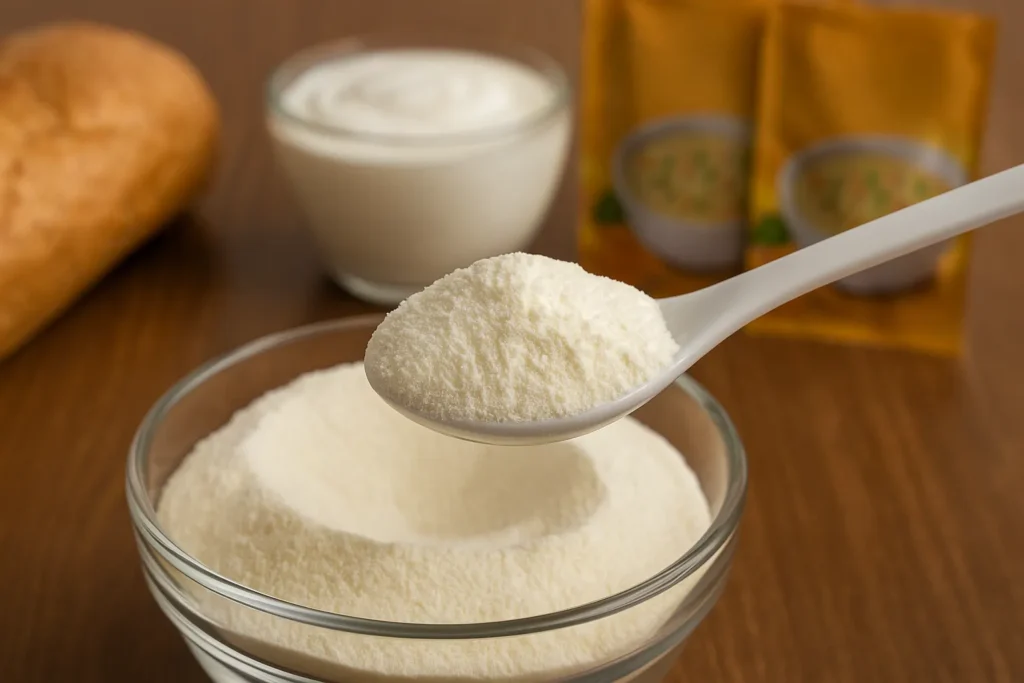
For a food manufacturer, skimmed milk powder may arrive at the factory as a simple bag or pallet, but its impact reaches much further. It can influence formulation costs, processing efficiency, product quality, inventory planning, and customer satisfaction.
The strongest sourcing strategy is therefore not built around finding the cheapest powder on a particular day. It is built around finding a dependable Skimmed Milk Powder Supplier for Food Manufacturers that understands technical requirements, supports consistent quality, offers commercially viable alternatives, and can help your factory manage supply risk.
MT Royal can be considered within that sourcing strategy because it provides access to multiple brands and competitive purchasing options, allowing manufacturers to evaluate alternatives rather than treating a single supplier or brand as the only possible solution. For factories buying significant volumes, that flexibility can be particularly valuable when market conditions change.
The most effective procurement teams treat dairy ingredients as strategic inputs. They connect purchasing decisions with R&D validation, quality assurance, production performance, logistics, and market intelligence.
That is where a supplier relationship becomes more than a transaction. When the powder entering your factory is consistent, traceable, technically appropriate, and commercially sensible, the production line has one less variable to fight. And in manufacturing, removing uncertainty is often worth far more than saving a few cents on a quotation.


No comment