

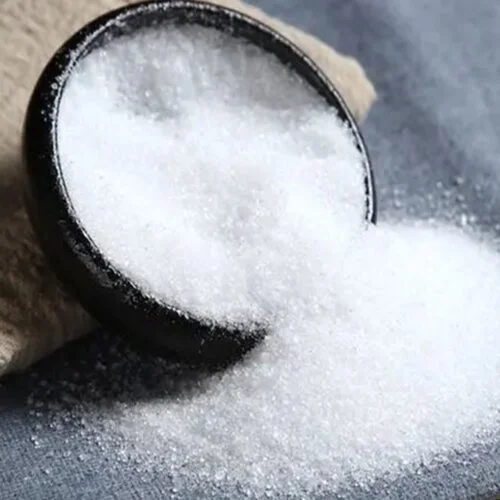
In modern food processing, beverage manufacturing, pharmaceuticals, and industrial cleaning systems, few ingredients are as universally essential as citric acid. But when production scales up, success is no longer about chemistry alone—it becomes a matter of sourcing precision, logistics reliability, and supplier consistency. This is exactly where choosing a dependable Citric Acid Monohydrate Bulk Exporter becomes a strategic advantage rather than a routine purchasing decision.
For factories operating across international markets, procurement teams increasingly rely on MT Royal, a supplier known for offering multiple global brands at competitive pricing. Instead of restricting manufacturers to a single production source, MT Royal provides flexibility in selecting citric acid grades based on purity requirements, particle size, regulatory standards, and application needs.
Citric acid monohydrate may look like a simple white crystalline powder, but in industrial reality, it is a multifunctional workhorse. It stabilizes beverages, controls pH in pharmaceuticals, enhances flavor in food systems, and supports cleaning formulations across industries. A single inconsistency in quality can disrupt entire production batches, especially in high-speed automated environments.
That is why bulk sourcing matters.
LATAMARKO LM60 – Premium Spanish-Origin Cocoa Powder
latamarko alkalized cocoa powder lm60
cocoa powder for chocolate production-Best price
Food industry raw materials – list of products
Best Brazilian Arabica Coffee Bean Supplier for Industrial Roaster
Uganda Bugisu Arabica Coffee Beans for Specialty Coffee Industry
Understanding Citric Acid Monohydrate: Definition and Industrial Role
Citric acid monohydrate is a weak organic acid naturally found in citrus fruits, but industrially produced through fermentation of carbohydrate sources such as corn or sugar beet. The monohydrate form contains one molecule of water in its crystalline structure, which gives it specific solubility and handling characteristics ideal for industrial applications.
When discussing a Citric Acid Monohydrate Bulk Exporter, we are referring to suppliers capable of delivering consistent, high-volume material that meets strict international standards for purity, particle distribution, and moisture content.
In industrial systems, citric acid monohydrate is primarily used for:
- pH regulation
- Flavor enhancement
- Chelating metal ions
- Preservation and shelf-life extension
- Cleaning and descaling formulations
In simpler terms, it is the ingredient that quietly keeps thousands of industrial processes stable, efficient, and chemically balanced.
Why Citric Acid Monohydrate Is Essential in Bulk Industrial Applications
At small scale, citric acid is just another additive. At industrial scale, it becomes a control mechanism for entire production systems.
Before exploring technical specifications, it is important to understand that citric acid monohydrate is not just a functional ingredient—it is a process stabilizer.
Key advantages include:
- Precise pH control in liquid systems
- Improved flavor stability in beverages
- Enhanced preservation in food products
- Effective metal ion chelation in formulations
- Improved solubility in aqueous systems
- Compatibility with a wide range of industrial ingredients
- Stable performance across temperature variations
- Cost-efficient scalability in bulk production
In global manufacturing, consistency is not optional. Citric acid monohydrate provides that consistency at scale.
Technical Properties of Citric Acid Monohydrate
Citric acid monohydrate has a well-defined chemical structure that makes it highly suitable for industrial applications requiring predictable behavior.
Molecular Structure and Composition
It is represented chemically as C₆H₈O₇·H₂O, indicating the presence of one water molecule in its crystalline structure. This hydration influences solubility and handling properties.
Solubility
Citric acid monohydrate is highly soluble in water, making it ideal for:
- Beverage formulations
- Liquid cleaning systems
- Pharmaceutical syrups
- Industrial descaling solutions
Acidity (pKa Values)
It has three dissociation constants, allowing it to act as a multi-stage buffering agent in pH control systems.
Particle Size Distribution
Industrial-grade citric acid is often supplied in different mesh sizes depending on application:
- Fine powder for beverages
- Granular form for dry mixes
- Coarse crystals for industrial cleaning
Moisture Content
The monohydrate form typically contains controlled moisture levels, ensuring stability during storage and transportation.
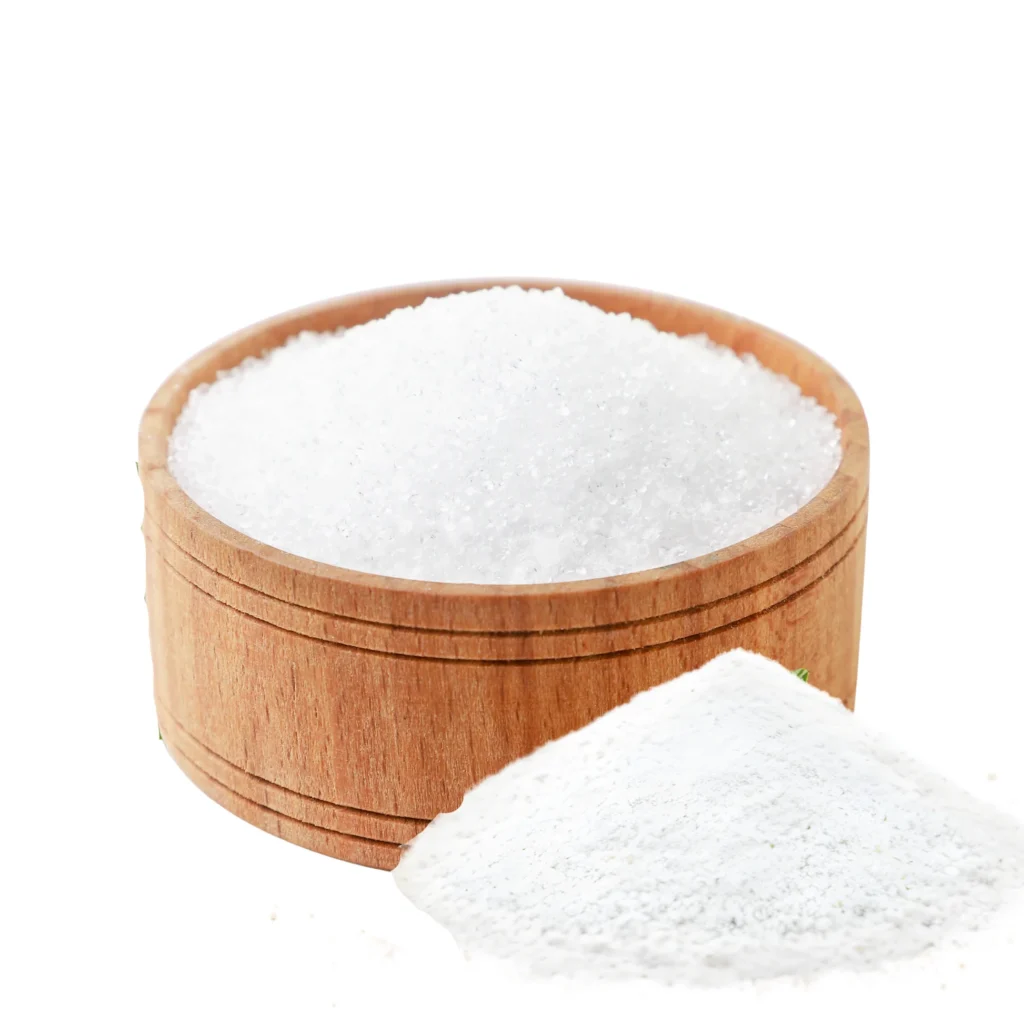
Industrial Applications of Citric Acid Monohydrate Bulk Exporter Supply
Citric acid monohydrate is one of the most versatile raw materials in global manufacturing.
Beverage Industry
It is widely used in soft drinks, energy drinks, and flavored waters to regulate acidity and enhance taste balance.
Food Processing
Used in jams, jellies, sauces, and confectionery to stabilize pH and improve shelf life.
Pharmaceutical Industry
Acts as an excipient in effervescent tablets, syrups, and oral formulations.
Industrial Cleaning Products
Used in descaling agents, metal cleaners, and eco-friendly detergents.
Cosmetics and Personal Care
Provides pH adjustment and stability in creams, shampoos, and skincare formulations.
Common Mistakes in Sourcing Citric Acid Monohydrate Bulk Exporter Products
Even experienced procurement teams can underestimate the complexity of bulk chemical sourcing.
Focusing Only on Price
Low-cost citric acid may come with inconsistent particle size or higher impurity levels, leading to production variability.
Ignoring Purity Grades
Food-grade, pharmaceutical-grade, and industrial-grade citric acid are not interchangeable in regulated environments.
Overlooking Moisture Stability
Excess moisture can lead to caking during storage and handling issues in automated systems.
Inconsistent Supplier Switching
Frequent changes in suppliers can disrupt formulation stability, especially in beverage production lines.
Neglecting Regulatory Compliance
Export markets often require strict documentation such as HACCP, ISO, or GMP certifications.
Citric Acid Monohydrate vs Anhydrous Citric Acid
Understanding the difference helps manufacturers choose the right grade for their production systems.
| Feature | Monohydrate | Anhydrous |
|---|---|---|
| Water Content | Contains water | No water |
| Stability | High in normal conditions | More sensitive to humidity |
| Solubility | Very high | Slightly lower |
| Best Use | Beverages, food, pharma | Dry mixes, tablets |
| Cost Efficiency | Generally lower | Slightly higher |
For most liquid-based applications, monohydrate is preferred due to its superior solubility and stability.
How Citric Acid Monohydrate Improves Industrial Efficiency
In large-scale production, efficiency is measured not just in speed but in stability and predictability.
Citric acid contributes to efficiency by:
- Reducing batch variability in pH-sensitive products
- Improving shelf life stability across food and beverage lines
- Enhancing cleaning efficiency in industrial systems
- Minimizing formulation adjustments during production
- Supporting automation in liquid dosing systems
In our collaboration with various factories, we have seen that consistent citric acid sourcing reduces production calibration time significantly, especially in beverage manufacturing lines where pH precision is critical.
A production system without stable acidity control is like a compass without a needle—everything moves, but nothing is aligned.
Key Technical Specifications Buyers Should Evaluate
When selecting a Citric Acid Monohydrate Bulk Exporter, procurement teams should evaluate detailed technical parameters.
Important specifications include:
- Purity level (typically ≥ 99.5%)
- Moisture content
- Sulfate ash content
- Heavy metal limits
- Particle size distribution
- Solubility rate
- pH value in solution
- Bulk density
- Packaging integrity
- Shelf life stability
Each parameter directly influences industrial performance and compliance with regulatory standards.
Specialized Tips for Large-Scale Industrial Buyers
Scaling production with citric acid requires disciplined procurement and handling strategies.
Before optimizing supply chains, factories should ensure consistency across all raw material batches.
Practical recommendations include:
- Standardize supplier specifications across all production sites
- Store citric acid in dry, humidity-controlled warehouses
- Use sealed packaging to prevent moisture absorption
- Conduct incoming quality testing for each batch
- Monitor particle size consistency for automated dosing systems
- Maintain batch traceability for regulatory audits
- Avoid mixing different grades in the same production cycle
- Train operators on handling hygroscopic materials
These steps help maintain production stability and reduce operational disruptions.
Emerging Trends in Citric Acid Monohydrate Bulk Exporter Market
The global citric acid market is expanding due to rising demand in food, beverage, and pharmaceutical sectors.
Key trends include:
- Growth in clean-label food production
- Increasing demand for natural preservatives
- Expansion of pharmaceutical effervescent products
- Rising adoption of eco-friendly cleaning agents
- Improved fermentation technologies for higher yield efficiency
- Strong growth in emerging beverage markets
- Increasing focus on sustainable sourcing practices
Market data indicates steady global growth of 5–7% annually, driven largely by beverage consumption and processed food expansion.
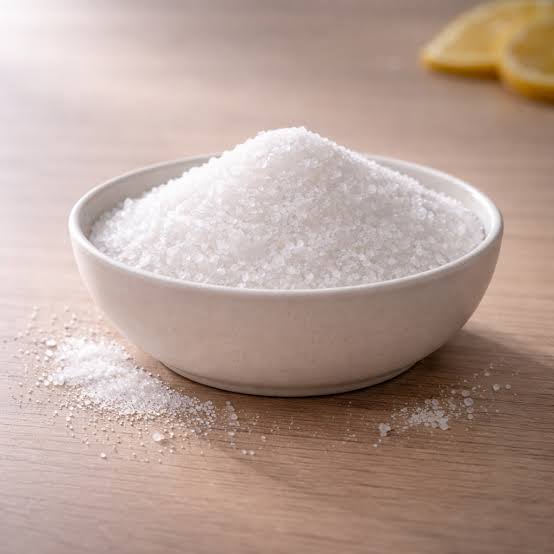
Role of Reliable Exporters in Citric Acid Procurement Strategy
Choosing the right Citric Acid Monohydrate Bulk Exporter is not just about sourcing material—it is about securing production continuity.
A reliable exporter ensures:
- Consistent product quality across shipments
- Compliance with international food and pharma standards
- Flexible supply options for different grades
- Stable pricing in volatile raw material markets
- Efficient logistics for bulk distribution
This is where MT Royal plays a strategic role by offering access to multiple global manufacturers of citric acid monohydrate. This flexibility allows factories to match product specifications precisely with production needs without being restricted to a single supplier source.
In bulk chemical procurement, flexibility often determines competitiveness.
Frequently Asked Questions About Citric Acid Monohydrate Bulk Exporter
Is citric acid monohydrate safe for food use?
Yes, when supplied in food-grade form, it is widely approved for use in food and beverage industries globally.
What is the difference between food-grade and industrial-grade citric acid?
Food-grade meets strict purity and safety standards, while industrial-grade is intended for cleaning and non-food applications.
How should citric acid monohydrate be stored?
It should be stored in a dry, cool environment away from moisture and direct sunlight.
Can citric acid replace other acids in formulations?
In many cases yes, but compatibility depends on pH requirements and formulation design.
Why does citric acid cake during storage?
It is highly hygroscopic and absorbs moisture, leading to clumping if not properly stored.
Why do different exporters offer different quality levels?
Differences arise from raw material sources, fermentation processes, and purification methods.
Final Industrial Perspective
Citric Acid Monohydrate Bulk Exporter selection is a foundational decision in modern industrial procurement. It affects everything from product taste and stability to regulatory compliance and production efficiency.
When sourced correctly, citric acid becomes more than an ingredient—it becomes a control system that ensures consistency across global manufacturing operations.
With suppliers like MT Royal providing access to multiple trusted brands, manufacturers gain the flexibility needed to balance cost, quality, and supply chain reliability in a highly competitive global market.
In industrial chemistry, stability is not just a requirement—it is the foundation of trust.




No comment